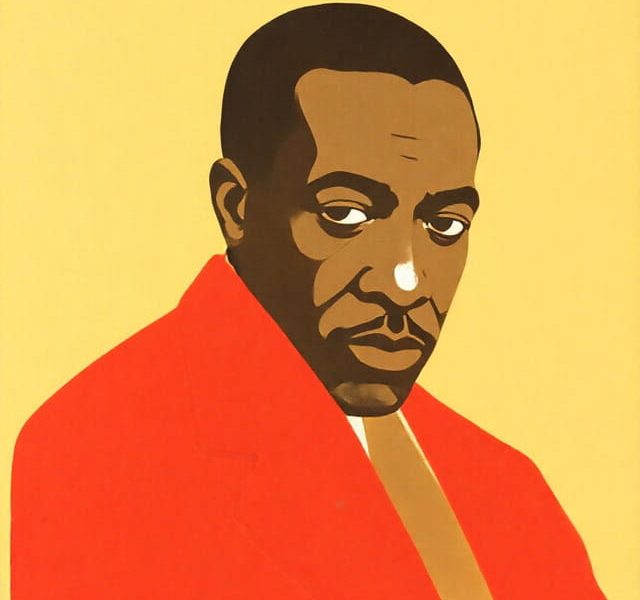
Heralded as the Father of the Harlem Renaissance, the figure of Alain Locke stands out as one of the most transformative intellectuals in African American history. A philosopher, educator, and patron of the arts, Locke played a central role in fostering a cultural awakening that defined the 1920s and reshaped American literature and identity. He not only supported the emergence of a new generation of Black artists, writers, and thinkers, but also provided the philosophical foundation for their creative and social efforts. Through his vision and dedication, Locke became a guiding force behind a movement that celebrated Black culture, challenged racial stereotypes, and advocated for civil rights through art and thought.
The Intellectual Origins of Alain Locke
Alain Leroy Locke was born in 1885 in Philadelphia, Pennsylvania, into a middle-class African American family that valued education and social advancement. A gifted student, Locke attended Harvard University, where he studied philosophy and literature, graduating with honors. In 1907, he became the first African American Rhodes Scholar, studying at Oxford University before continuing his education in Germany.
Locke’s intellectual journey gave him a broad and deep understanding of Western philosophy while grounding him in the experiences and challenges of African Americans. He returned to the United States committed to using his education as a tool for cultural empowerment. This mission would eventually place him at the heart of the Harlem Renaissance, where he used both his scholarly background and editorial influence to nurture Black cultural expression.
The Harlem Renaissance Takes Shape
The Harlem Renaissance was not just a literary movement it was a cultural revolution that embraced art, music, poetry, performance, and politics. Taking place primarily in New York City during the 1920s and 1930s, it was fueled by the Great Migration of African Americans from the rural South to northern cities. This demographic shift created a dynamic community of artists and thinkers who sought to redefine the image of Black life in America.
Locke’s most significant contribution came in 1925, when he edited a special issue of Survey Graphic magazine titled ‘Harlem: Mecca of the New Negro.’ This issue later expanded into an anthology titled The New Negro, which became a foundational text of the Harlem Renaissance. In it, Locke argued for the emergence of a new, self-confident Black identity, rooted in cultural expression and intellectual self-determination.
The Concept of the ‘New Negro’
Central to Locke’s philosophy was the idea of the New Negro an empowered, educated, and artistically inspired figure who rejected the limiting stereotypes of the past. This concept was not only cultural but also political, suggesting that Black Americans could reshape their future through pride in their heritage and excellence in the arts.
According to Locke, the New Negro would not wait passively for society to change. Instead, through creativity, knowledge, and cultural assertion, Black Americans could become agents of transformation. This message resonated with a generation of writers and artists who began producing works that celebrated Black life in all its complexity.
Supporting the Voices of a Generation
Locke used his influence to support and mentor a wide range of artists during the Harlem Renaissance. His guidance helped shape the careers of many key figures, including:
- Langston Hughes Poet and essayist whose work captured the rhythm and spirit of Harlem life.
- Zora Neale Hurston Novelist and anthropologist known for her vivid portrayals of African American folklore.
- Countee Cullen Poet whose formal style and lyrical voice challenged literary conventions.
- Claude McKay Jamaican-born writer whose work addressed racial injustice and Black pride.
Locke’s role was not limited to editing and commentary. He wrote essays, gave lectures, and corresponded with artists across the country, urging them to view their work as part of a broader mission. His leadership was both philosophical and practical, grounded in the belief that cultural excellence could lead to social progress.
Philosophy and Cultural Pluralism
In addition to his work as a cultural critic, Locke was a respected academic philosopher. He taught at Howard University for most of his career and published essays on ethics, aesthetics, and the philosophy of value. One of his key contributions was his advocacy of cultural pluralism the idea that societies are stronger when they embrace a diversity of cultural traditions rather than suppress them.
For Locke, the Harlem Renaissance was more than an artistic trend; it was evidence of a cultural pluralism taking root in American society. He believed that the full participation of African Americans in the national culture would enrich both the Black community and the broader American identity.
Challenges and Controversies
Despite his influence, Locke’s role in the Harlem Renaissance was not without controversy. Some artists felt that his standards of high art placed too much emphasis on European forms and not enough on the raw, authentic voices emerging from jazz and street life. Others questioned whether his vision of the New Negro was too focused on middle-class respectability.
Nevertheless, even his critics acknowledged his importance in unifying the movement and giving it intellectual depth. His ability to connect the arts with social and philosophical concerns helped elevate the Harlem Renaissance from a local cultural moment to a national and international phenomenon.
Lasting Legacy
Alain Locke continued to work as a teacher, writer, and editor until his death in 1954. Over time, his legacy as the Father of the Harlem Renaissance has only grown. Today, his ideas remain relevant in discussions about race, identity, art, and social change.
He laid the groundwork for future movements in Black literature and civil rights by asserting the power of cultural expression. Locke believed that through literature, music, and visual art, African Americans could articulate their humanity and challenge the structures that sought to deny it.
Heralded as the Father of the Harlem Renaissance, Alain Locke’s legacy is one of vision, intellect, and cultural leadership. He provided the philosophical compass and critical platform that allowed a generation of Black artists to flourish. By championing the arts as a means of liberation and self-definition, Locke helped reshape not only African American culture but also the broader understanding of what it means to be American. His belief in the transformative power of culture continues to inspire, making his life and work essential to the history of the Harlem Renaissance and beyond.