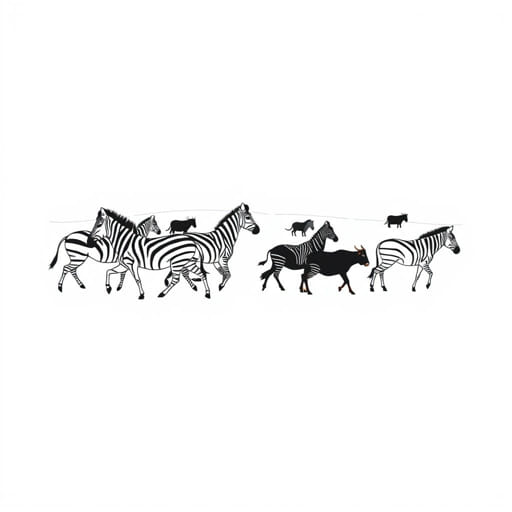
The zebra and wildebeest migration across East Africa is one of the most spectacular wildlife phenomena on Earth. Every year, millions of these animals travel together across the Serengeti-Mara ecosystem, driven by seasonal rainfall and the search for fresh grazing. The migration is not only a breathtaking sight but also a vital process that maintains the ecological balance of the region. From the vast plains of Tanzania’s Serengeti to Kenya’s Maasai Mara, this continuous movement of life showcases the raw beauty and ancient rhythm of nature’s cycles.
The Great Migration: A Natural Wonder
Often referred to as The Great Migration, this event involves more than 1.5 million wildebeests and around 200,000 zebras, accompanied by hundreds of thousands of gazelles. Together, they form a massive movement of herbivores that travel in a loop covering approximately 1,800 miles. The journey is perilous and grueling, involving river crossings, predator attacks, and harsh climates.
Why Do Zebras and Wildebeests Migrate Together?
Wildebeests and zebras migrate together because they have complementary feeding habits. Zebras eat the longer, tougher grasses, while wildebeests prefer the shorter, more tender shoots that follow. This mutual grazing helps each species find food more efficiently. Additionally, traveling in large numbers offers safety in unity. With more eyes and ears on alert, the herds are better protected from predators like lions, hyenas, and crocodiles.
Migration Route and Calendar
The migration follows a clockwise pattern throughout the year, with animals moving through various habitats depending on rainfall and grass availability.
Typical Migration Timeline
- January March: The herds gather in the southern Serengeti for calving season. This is a time of new life but also high predation.
- April May: As the rains end, the animals start moving northwest through the central Serengeti in search of greener pastures.
- June July: The herds reach the Grumeti River. This marks the beginning of dangerous river crossings filled with crocodiles.
- August October: The migration arrives in the Maasai Mara in Kenya, offering the best opportunity for viewing the river crossings at the Mara River.
- November December: The short rains return in the Serengeti, signaling the herds to begin their journey back south.
This cycle continues year after year, guided by environmental cues and instinctual behavior passed down through generations.
The Challenges of the Journey
The zebra and wildebeest migration is not just a peaceful stroll across the plains. It’s a constant battle for survival. Predators lurk along every part of the route, and the river crossings are especially lethal.
Natural Obstacles and Predators
- Rivers: The Mara and Grumeti Rivers are full of crocodiles lying in wait. Many animals drown or are caught in stampedes while trying to cross.
- Big Cats: Lions, leopards, and cheetahs take advantage of the abundance of prey. Calving season is particularly dangerous for newborns.
- Hyenas and Wild Dogs: These opportunistic predators follow the herds and prey on the sick or weak.
- Disease and Starvation: Harsh weather and limited resources can take a toll on weaker individuals, especially during dry seasons.
Despite the danger, the migration is a natural filter that ensures the survival of the fittest and strengthens the gene pool of these species.
Zebras and Their Role in the Migration
Zebras, though smaller in number compared to wildebeests, play a crucial role in the migration. They often lead the herds as they are more visually aware and have strong memories of the routes. Their tendency to travel in tight family units also contributes to the structure and behavior of the migrating mass.
Unique Zebra Traits
- Excellent vision and hearing, helping to detect predators early.
- Social structures that provide support and coordination during movement.
- Resistance to certain diseases, helping them survive longer in difficult conditions.
In many ways, zebras act as scouts and protectors within the herd, making their presence critical to the overall success of the migration.
Ecological Impact of the Migration
The zebra and wildebeest migration is not only a biological event but also a major ecological force. The constant grazing helps maintain the savannah ecosystem by promoting grass growth, dispersing seeds, and cycling nutrients through droppings and trampling.
Key Benefits to the Environment
- Fertilization of grasslands through dung and urine.
- Natural pruning of grasslands, preventing overgrowth and fires.
- Support for predator populations by sustaining their food sources.
- Stimulation of plant regrowth and biodiversity.
This balance between herbivores, predators, and vegetation ensures that the Serengeti-Mara ecosystem remains vibrant and sustainable over time.
Tourism and Conservation Efforts
The Great Migration attracts thousands of tourists every year, making it a critical source of income for local communities and governments. Wildlife tourism contributes significantly to the economy and also funds conservation programs aimed at protecting the migration route and its species.
Conservation Challenges
- Habitat loss due to agriculture and human settlement.
- Poaching and illegal wildlife trade.
- Climate change affecting rainfall patterns and grass availability.
- Barriers such as fences disrupting traditional migratory paths.
Organizations and governments have been working together to establish protected corridors, enforce anti-poaching laws, and engage local communities in sustainable tourism practices.
The zebra and wildebeest migration is a living symbol of Africa’s wild heritage. It represents resilience, cooperation, and the power of nature’s cycles. More than just a visual spectacle, this annual journey plays a vital role in maintaining the balance of life across the East African plains. As conservation efforts continue and awareness grows, we can hope that future generations will also witness the thundering hooves, swirling dust, and endless lines of zebras and wildebeests chasing the promise of rain and survival across the timeless landscape of the Serengeti and Maasai Mara.