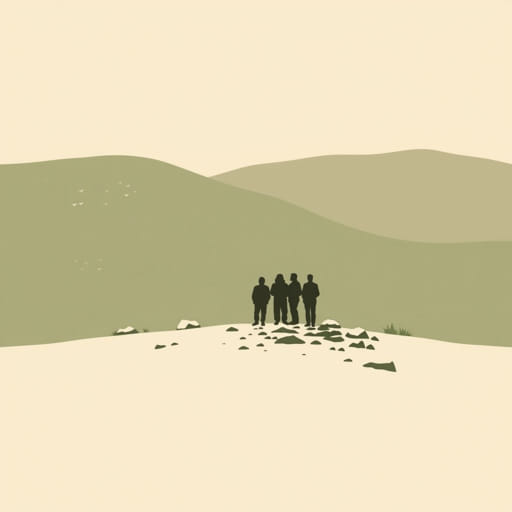
Nestled in the scenic heart of northern England, the Yorkshire Dales is a place of dramatic landscapes, ancient stone villages, and windswept moorlands. Among the many conservation and land management initiatives working to preserve the beauty and ecology of this area, the Yorkshire Dales Moorland Group plays a vital role. Their mission is not only to protect the uplands but also to promote sustainable land use and educate the public on the value of moorland ecosystems. With a deep connection to local heritage and rural livelihoods, this group stands at the intersection of tradition, environment, and community.
What Is the Yorkshire Dales Moorland Group?
The Yorkshire Dales Moorland Group (YDMG) is a collection of landowners, gamekeepers, farmers, and local residents who work collaboratively to manage and protect the upland moorland areas of the Yorkshire Dales. The group was established to advocate for the responsible management of moorland habitats and to address the misconceptions surrounding grouse moors, shooting estates, and rural practices.
Goals and Objectives
The primary objectives of the YDMG include:
- Maintaining biodiversity across moorland landscapes.
- Promoting sustainable gamekeeping and shooting practices.
- Engaging with schools and communities to share knowledge about land management.
- Supporting rural employment and the local economy.
- Encouraging wildfire prevention through active land maintenance.
The Importance of Moorland Conservation
Unique Ecosystems
Moorlands in the Yorkshire Dales are globally rare habitats. Characterized by heather, peatlands, and grasslands, these upland areas support a rich variety of flora and fauna, including red grouse, curlews, lapwings, and birds of prey. The moorland also acts as a vital carbon sink due to the peat soil, which stores vast amounts of carbon dioxide.
Challenges Facing Moorland
Despite their importance, moorlands are under threat from climate change, overgrazing, wildfires, invasive species, and policy changes. Without active management, these landscapes could degrade, resulting in biodiversity loss and increased flood risks downstream. The Yorkshire Dales Moorland Group works to counter these issues through rotational burning, predator control, and habitat restoration.
Gamekeeping and Grouse Management
The Role of Gamekeepers
Gamekeepers in the Yorkshire Dales play a crucial role in managing the balance of species within moorland areas. Their responsibilities include:
- Controlling predator populations to protect ground-nesting birds.
- Maintaining heather through controlled burning or cutting.
- Monitoring wildlife populations and habitat health.
- Managing access and educating visitors on responsible behavior.
These activities are often misunderstood by the public, which is why the YDMG focuses on transparency and education about the positive environmental effects of managed shooting estates.
Grouse Shooting and Local Economy
While controversial in some circles, grouse shooting is a major contributor to the local rural economy. It provides jobs for gamekeepers, beaters, hospitality staff, and suppliers. It also helps fund the year-round management of the land, ensuring the survival of moorland habitats. The Yorkshire Dales Moorland Group supports ethical shooting practices and emphasizes the reinvestment of proceeds into land and wildlife conservation.
Community Engagement and Education
Working with Schools
One of the standout aspects of the YDMG’s work is its outreach to young people. The group regularly organizes educational programs and field trips for local schools, giving children firsthand experience of moorland life and conservation efforts. These initiatives are designed to inspire future generations to appreciate and care for the upland environment.
Events and Public Talks
To bridge the gap between rural and urban perspectives, the group also hosts open days, farm visits, and public talks. These events provide a platform for dialogue and help challenge negative stereotypes about moorland management. Attendees often leave with a newfound appreciation for the complex and delicate balance required to maintain these landscapes.
Partnerships and Collaboration
The Yorkshire Dales Moorland Group collaborates with several national and regional organizations to advance its mission. These include:
- Natural England
- The Moorland Association
- The Game & Wildlife Conservation Trust
- Local councils and parish groups
Through these partnerships, the group gains access to scientific research, funding opportunities, and policy discussions that support their conservation goals.
Success Stories and Achievements
Habitat Restoration
YDMG has led numerous successful projects to restore damaged peatlands, replant heather, and re-wet drained moors. These efforts have significantly improved habitat conditions and increased biodiversity.
Wildlife Monitoring
Thanks to systematic monitoring, populations of some upland birds have stabilized or even increased in areas managed by the group. For example, the resurgence of curlews and lapwings on managed moors demonstrates the effectiveness of integrated conservation practices.
Fire Prevention
Controlled burning and heather management have reduced the risk of devastating wildfires, which can have catastrophic impacts on moorland ecosystems. This proactive approach has made local communities safer and protected wildlife habitats.
Future Plans and Vision
Looking ahead, the Yorkshire Dales Moorland Group aims to expand its educational outreach and deepen its role in climate change mitigation. By continuing to refine sustainable land management techniques and advocate for the value of moorlands, the group is committed to preserving these landscapes for future generations.
The group also seeks to increase transparency and public trust by sharing more data, engaging with a wider audience, and highlighting the scientific basis behind their methods.
The Yorkshire Dales Moorland Group represents a unique and essential voice in the ongoing conversation about land use, conservation, and rural livelihoods in Britain. By combining traditional knowledge with modern conservation science, the group ensures that moorlands remain vibrant, functional, and resilient. Their work reminds us that human interaction with nature when done responsibly can protect ecosystems, sustain communities, and safeguard the heritage of places like the Yorkshire Dales for generations to come.