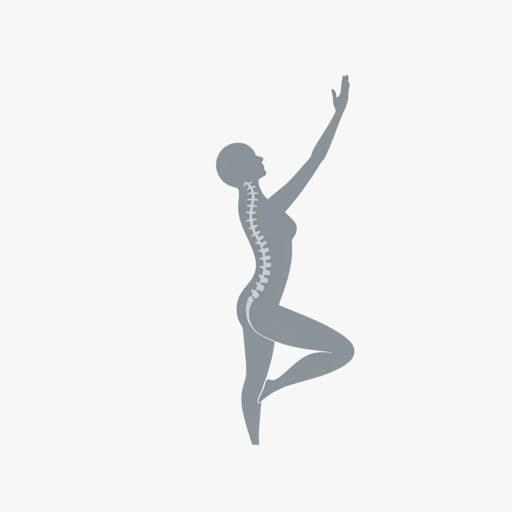
Many people struggle with poor posture, spinal curvature, or back pain, often caused by long hours of sitting, stress, or improper movement patterns. Over time, these habits can lead to a misaligned spine, contributing to discomfort and reduced mobility. Yoga has long been recognized as a natural, holistic approach to promoting spinal health. Through consistent practice, certain yoga poses can help realign the spine, strengthen the muscles around it, and support better posture. If you’re searching for effective yoga to straighten the spine, incorporating a few key poses into your daily routine can bring remarkable improvements.
Understanding Spinal Alignment and Posture
The spine is a central part of the human body, designed to support balance, movement, and flexibility. A properly aligned spine maintains the natural curves of the cervical, thoracic, and lumbar regions. However, modern lifestyle factors such as desk jobs, lack of movement, and digital device usage can lead to rounded shoulders, forward head posture, and weakened core muscles. These misalignments not only affect physical appearance but also contribute to tension, fatigue, and long-term health issues.
Yoga offers targeted movements that not only stretch and strengthen but also re-educate the body to return to its natural, upright posture. With regular practice, yoga to straighten the spine can be highly effective for people of all ages.
Benefits of Yoga for Spinal Health
Engaging in yoga for spine alignment offers numerous advantages that extend beyond aesthetics. Some key benefits include:
- Improved posture and spinal symmetry
- Strengthening of back and core muscles
- Reduced back and neck pain
- Increased flexibility and range of motion
- Better balance and body awareness
- Stress reduction and improved breathing
Best Yoga Poses to Straighten the Spine
Certain yoga poses are especially effective when the goal is to promote a straight and healthy spine. These poses encourage lengthening, decompression, and muscular engagement that support alignment.
1. Mountain Pose (Tadasana)
Although it may appear simple, Mountain Pose builds a foundation for proper alignment. Standing tall with feet together and arms by your side, you consciously engage your core, lift the chest, and extend through the crown of your head. This pose helps you reconnect with the sensation of uprightness and postural awareness.
2. Cat-Cow Pose (Marjaryasana-Bitilasana)
This gentle spinal warm-up helps improve flexibility and mobility in the entire spine. Moving between arching (cow) and rounding (cat) the back also strengthens the spine’s supporting muscles. Practicing this flow daily can release tension and promote a healthier range of motion.
3. Cobra Pose (Bhujangasana)
Cobra Pose targets the lower back and encourages spinal extension. Lying on your belly with hands under the shoulders, gently lifting the chest while keeping elbows bent can help strengthen the muscles of the spine, stretch the front body, and counteract forward-slumping posture.
4. Downward-Facing Dog (Adho Mukha Svanasana)
This classic yoga pose creates length in the spine and strengthens both the upper and lower body. As you press your hands and feet into the mat, the hips lift toward the sky, encouraging a natural elongation of the back. Practiced regularly, it aids in realigning the spine and improving posture.
5. Bridge Pose (Setu Bandhasana)
Bridge Pose strengthens the glutes, hamstrings, and lower back all essential for spinal support. By lifting the hips while lying on the floor, the spine receives a gentle backbend, countering the effects of long-term sitting or slouching.
6. Locust Pose (Salabhasana)
A powerful strengthening pose, Locust Pose activates the entire back line of the body. By lifting the legs and chest while lying on the stomach, you target the erector spinae muscles, improving posture and contributing to spinal stability.
7. Child’s Pose (Balasana)
This restful pose gently stretches the spine and allows for spinal decompression. It encourages the natural curve of the back while also promoting relaxation and mindfulness. It’s ideal as a cool-down or mid-practice release.
Creating a Daily Yoga Routine for Spine Alignment
Consistency is key when using yoga to straighten the spine. A simple 15 to 30-minute daily routine combining stretching, strengthening, and mindful movement can create lasting change. Begin each session with gentle warm-ups, progress to deeper poses, and always include a short relaxation period at the end.
Sample Routine:
- Start with Mountain Pose to build awareness
- Move through 5 rounds of Cat-Cow
- Flow into Downward-Facing Dog for 5 breaths
- Practice Cobra Pose, holding for 30 seconds
- Transition into Locust Pose for back strengthening
- Include Bridge Pose for hip and lower back strength
- End with Child’s Pose for spinal relaxation
Posture Tips Beyond the Mat
Yoga can be highly effective, but daily habits also play a major role in maintaining a straight spine. In addition to yoga for spinal alignment, consider these posture-supporting practices:
- Adjust your workstation ergonomically
- Take regular breaks from sitting
- Be mindful of your posture during daily activities
- Use supportive footwear
- Engage your core while walking or standing
When to Seek Professional Guidance
While yoga is generally safe for most people, those with existing spinal conditions such as scoliosis, herniated discs, or chronic pain should consult a healthcare provider or certified yoga therapist before starting. A personalized plan can ensure safety and maximize benefits.
Practicing yoga to straighten the spine is a gentle, accessible, and effective way to realign the body and build lasting posture improvements. By combining strength, flexibility, and mindfulness, yoga helps you reconnect with your natural alignment. Over time, these simple yet powerful movements can reduce discomfort, boost confidence, and lead to a healthier, more upright posture. Whether you’re dealing with mild postural issues or seeking overall spinal wellness, yoga offers tools that anyone can incorporate into their life.