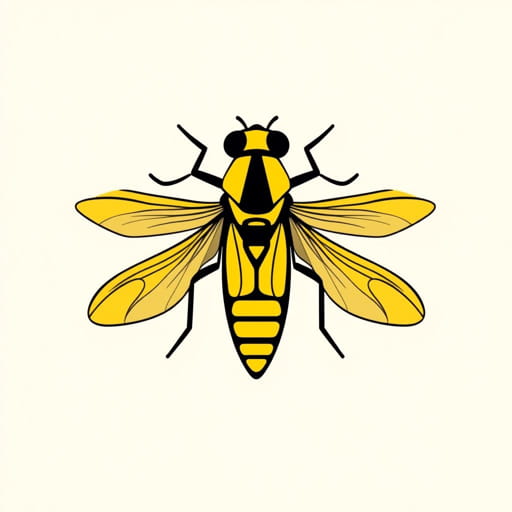
Among the many insects that inhabit gardens, forests, and landscapes, the yellow and black sawfly stands out due to its striking appearance and potential impact on plants. Despite being mistaken for wasps due to their coloration, sawflies belong to a completely different group. These insects play a specific role in nature and may become pests in certain environments. Understanding their life cycle, behavior, and control methods is essential for gardeners and environmentalists who wish to protect plant life without disrupting ecosystems.
What Is a Yellow and Black Sawfly?
The yellow and black sawfly is a member of the order Hymenoptera and the suborder Symphyta. Unlike bees and wasps, sawflies lack a narrow waist between the thorax and abdomen. Their name comes from the saw-like ovipositor that females use to lay eggs into plant tissues. They vary in size, but many have a recognizable yellow and black striped pattern that mimics more dangerous stinging insects like wasps, even though sawflies cannot sting.
Common Species
Several species of yellow and black sawflies exist, and their specific names often relate to their preferred host plant. Some of the most common species include:
- Birch sawfly(Arge pectoralis)
- Pine sawfly(Neodiprion spp.)
- Rose sawfly(Arge ochropus or Endelomyia aethiops)
- Elm sawfly(Cimbex americana)
Each of these insects targets specific types of plants and trees, which can help with identification and management.
Life Cycle and Behavior
Sawflies undergo complete metamorphosis, meaning they progress through egg, larval, pupal, and adult stages. Understanding their life cycle is essential for effective control.
Egg Laying
Females use their ovipositors to insert eggs into the leaves or stems of host plants. This process can cause visible damage to the plant, such as curling, discoloration, or tiny slits along the leaf surface.
Larval Stage
The larval stage is the most destructive. Yellow and black sawfly larvae resemble caterpillars but can be distinguished by the number of prolegs (more than five pairs in sawflies). They feed in groups and can strip leaves rapidly, causing significant defoliation if left unchecked.
Pupation and Adults
After feeding, larvae drop to the ground and spin cocoons in which they pupate. Depending on the species, sawflies may have one or more generations per year. Adults emerge to start the cycle anew, with most activity occurring in spring and early summer.
Identification Tips
Identifying a yellow and black sawfly accurately can help determine the appropriate control methods. Key features include:
- Yellow and black body coloration, similar to wasps
- Broad waist connecting the thorax and abdomen
- Non-stinging behavior
- Larvae with a smooth body and multiple pairs of prolegs
- Feeding damage that appears as skeletonized or missing leaves
Impact on Plants
While a small number of sawflies usually won’t harm healthy plants, large infestations can defoliate trees and shrubs. This weakens the plant and makes it more vulnerable to disease and other pests.
Common Host Plants
Yellow and black sawflies target various species depending on the sawfly type. Some common host plants include:
- Roses
- Pines and spruces
- Birch and willow trees
- Fruit-bearing shrubs like gooseberries
Symptoms of Infestation
The following symptoms may indicate the presence of sawflies:
- Chewed or skeletonized leaves
- Clumps of larvae on the underside of leaves
- Slowed growth or stunted foliage
- Premature leaf drop in trees
Management and Control Methods
There are multiple ways to manage yellow and black sawflies. Choosing the right method depends on the severity of the infestation and environmental concerns.
Manual Removal
For small populations, handpicking larvae off plants and dropping them into soapy water is often effective. This method is suitable for ornamental gardens and avoids the use of chemicals.
Natural Predators
Encouraging natural predators such as birds, parasitic wasps, and beetles can help control sawfly populations. Maintaining a balanced ecosystem is key to long-term prevention.
Organic Sprays
Neem oil, insecticidal soap, and horticultural oils can control larvae without harming beneficial insects. Sprays should be applied to the undersides of leaves, where larvae often hide.
Chemical Control
If infestations are severe, chemical insecticides may be required. Pyrethroid-based sprays are commonly used but should be applied with caution to avoid harming pollinators. Always follow label instructions and avoid unnecessary treatments.
Prevention Tips
Preventing yellow and black sawfly infestations involves monitoring plants regularly and maintaining good garden hygiene.
- Inspect leaves weekly during peak sawfly season (spring and early summer)
- Prune and dispose of damaged or infested leaves
- Encourage plant diversity to discourage pests
- Mulch around plants to reduce pupation success in soil
- Use row covers or netting in small gardens to physically block adult sawflies
Are Yellow and Black Sawflies Dangerous?
Despite their wasp-like appearance, sawflies are not dangerous to humans or pets. They cannot sting and are generally harmless unless they are in large numbers. Their primary impact is on plants, particularly when larval populations are high.
Misidentification Concerns
Because of their appearance, yellow and black sawflies are sometimes confused with stinging insects. However, their docile nature and lack of venom make them less threatening. Education and awareness can help reduce unnecessary fear and inappropriate pesticide use.
Ecological Importance
While considered pests in gardens and forests, sawflies also play a role in the food web. They serve as prey for birds, reptiles, and parasitic insects. Their presence can indicate a healthy and functioning ecosystem when populations are balanced.
Pollination and Decomposition
Adult sawflies sometimes visit flowers for nectar, contributing slightly to pollination. Larvae also help decompose plant matter, indirectly enriching the soil as part of natural recycling processes.
The yellow and black sawfly, though visually alarming to some, is a manageable insect with a distinct life cycle and set of behaviors. By learning to identify and understand this creature, gardeners and landscapers can respond appropriately to infestations. With careful monitoring, preventive strategies, and eco-friendly controls, it is possible to maintain plant health while respecting the role sawflies play in the natural world.