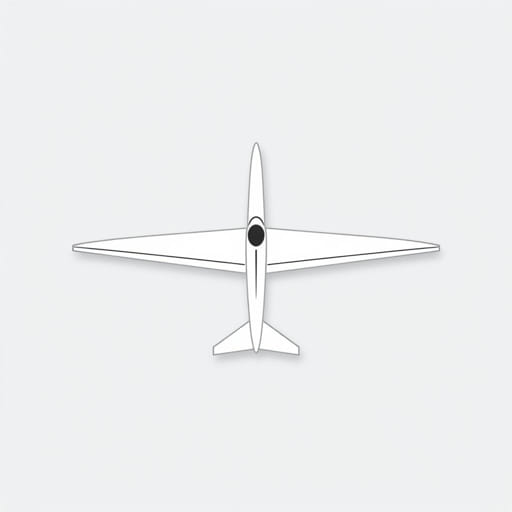
In the vast and detailed world of War Thunder, players get to experience a wide array of aircraft from different eras, each with unique designs and capabilities. One of the most intriguing and unconventional planes in the game is the XP-55 Ascender. This experimental fighter stands out for its radical design and interesting flight characteristics, making it a favorite for aviation enthusiasts and War Thunder players who enjoy piloting rare and unusual aircraft. The XP-55 represents a unique chapter in aviation history and adds depth to the War Thunder experience with its distinct performance and handling.
Background and History of the XP-55
The XP-55 Ascender was developed by Curtiss-Wright during World War II as part of a U.S. Army Air Forces project to explore new aircraft configurations. Unlike traditional fighters of the time, the XP-55 featured a canard layout with a rear-mounted engine and pusher propeller. This design aimed to improve pilot visibility and maneuverability, while reducing aerodynamic drag.
Only three prototypes were built, and despite showing some promising characteristics, the XP-55 never entered mass production. Its unconventional shape and mixed flight results meant that other fighter designs were preferred. However, the XP-55 remains a fascinating example of innovative thinking in aircraft design during a time of intense technological advancement.
XP-55 in War Thunder: Gameplay and Features
In War Thunder, the XP-55 is often classified as a premium or special aircraft, depending on the game’s updates and lineups. It is usually available for players who appreciate flying experimental or rare planes. Piloting the XP-55 offers a different experience compared to more conventional fighters, challenging players to adapt to its unique flight model.
- Flight Characteristics: The XP-55’s canard design affects its stability and maneuverability. It can be very agile in tight turns but requires careful handling during takeoff and landing due to its rear engine configuration.
- Armament: Typically equipped with a combination of machine guns and cannons, the XP-55 allows players to engage enemies effectively at various ranges.
- Speed and Climb Rate: While not the fastest plane in the game, the XP-55 balances moderate speed with a decent climb rate, making it competitive in dogfights if flown skillfully.
- Durability: Its lightweight construction means it can be vulnerable to damage, so pilots must rely on evasive maneuvers rather than absorbing hits.
Strategies for Flying the XP-55
Mastering the XP-55 requires understanding its strengths and weaknesses. Here are some tips to maximize its potential in War Thunder battles:
- Use Agility to Your Advantage: The XP-55 excels in close-range dogfights. Utilize its tight turning ability to outmaneuver opponents.
- Avoid Sustained Fire: Due to its fragility, avoid prolonged exposure to enemy fire. Hit and run tactics work best.
- Manage Energy Carefully: The XP-55 has moderate speed, so maintain energy by avoiding unnecessary dives or climbs that bleed speed.
- Practice Takeoffs and Landings: The rear engine layout affects ground handling. Spend time perfecting these to avoid crashes or penalties.
The Role of the XP-55 in War Thunder’s Meta
The XP-55 occupies a niche role in War Thunder’s aircraft roster. It is not a frontline powerhouse like some of the more famous fighters, but it offers a fresh playstyle for those who want to explore different approaches to aerial combat. Its unique handling can surprise opponents who are unfamiliar with its quirks, giving skilled pilots an edge.
Because the XP-55 is experimental and somewhat rare, it often appeals to collectors and aviation history buffs within the game community. Players who appreciate the historical background and distinctive design often seek out this aircraft to diversify their lineup and experience something outside the mainstream.
Comparing the XP-55 to Other Fighters
When compared to traditional fighters in War Thunder, the XP-55 stands apart in several ways:
- Design: Its canard and pusher propeller setup contrasts sharply with the typical nose-engine fighters, affecting both aerodynamics and pilot visibility.
- Flight Dynamics: Unlike the more stable and predictable fighters, the XP-55’s flight behavior requires more nuanced control and awareness.
- Combat Role: While many fighters are optimized for either speed or firepower, the XP-55 emphasizes maneuverability and pilot skill.
Why Players Choose the XP-55
Beyond gameplay mechanics, the XP-55 offers an exciting way to connect with aviation history. For many War Thunder players, flying the XP-55 is about more than winning battles it’s about experiencing a piece of experimental aircraft design that few get to pilot in real life. This emotional and historical connection enhances immersion and enriches the gaming experience.
Additionally, the XP-55’s distinct look and feel make it a standout choice for players who want their aircraft collection to be unique. It encourages creativity in combat and rewards those willing to invest time in learning its specific handling characteristics.
Tips for New XP-55 Pilots
- Spend time in test flights to understand the plane’s handling.
- Watch how experienced players use the XP-55 to learn effective tactics.
- Customize upgrades and modifications to improve its strengths.
- Use the XP-55 in battles where agility is key, such as arcade or realistic battles with close dogfights.
The XP-55 as a Distinctive War Thunder Experience
The XP-55 in War Thunder is much more than just another plane. It represents a daring experiment in aircraft design and offers players a unique flying experience unlike most other fighters. Its blend of agility, unconventional layout, and historical significance provides an engaging challenge for pilots who want to explore something different.
While it may not dominate the skies like some high-performance fighters, the XP-55 rewards skillful flying and adaptability. For those interested in aviation history or looking for a fresh tactical approach in War Thunder, the XP-55 is an excellent choice that stands out for its rarity, design, and gameplay potential.