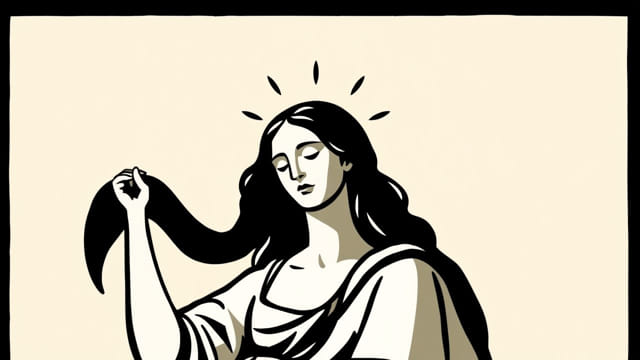
The phrase ‘pictured above Giorgione Titian Correggio’ refers to three of the most influential and celebrated painters of the Italian Renaissance, whose works and legacies have shaped the course of Western art history. Giorgione, Titian, and Correggio are names that resonate deeply in the world of classical painting, each contributing distinct styles and innovations. Understanding who these artists were, what made their art revolutionary, and how they influenced each other and the broader art world provides valuable insight into the richness of Renaissance art. Their portraits and works are often studied together because of their intertwined histories and geographic proximity in Northern Italy, as well as the evolution of painting styles they represent.
Giorgione: The Mysterious Venetian Master
Early Life and Background
Giorgione, born Giorgio Barbarelli da Castelfranco around 1477/78, was a Venetian painter whose life remains largely enigmatic due to the scarcity of documented information. Despite the limited records, Giorgione’s impact on the Venetian Renaissance was profound. His career was tragically short, as he died young around 1510, but in that brief period, he produced a body of work that left a lasting influence on contemporaries and successors alike.
Artistic Style and Innovations
Giorgione is known for pioneering a poetic and atmospheric style that emphasized mood, color, and landscape more than strict narrative clarity. His paintings often feature soft, sfumato-like transitions and enigmatic subjects that invite multiple interpretations. This approach was groundbreaking, setting a new standard for emotional depth and mystery in art. Giorgione’s influence on Titian, who was his younger contemporary, was significant, with Titian absorbing and developing Giorgione’s coloristic techniques and compositional innovations.
Notable Works
- The Tempest famous for its mysterious composition and evocative landscape.
- Sleeping Venus a pioneering depiction of the reclining nude that influenced many future artists.
Titian: The Titan of Venetian Painting
Biography and Career
Titian, or Tiziano Vecelli (c. 1488/90 1576), was a towering figure of the Venetian Renaissance and one of the greatest painters in Western art history. Trained in the workshop of Giovanni Bellini and influenced by Giorgione, Titian quickly rose to prominence due to his mastery of color, composition, and human expression. His career spanned over six decades, during which he adapted to changing artistic trends while maintaining a distinctive style.
Artistic Contributions
Titian is celebrated for his innovative use of color, which brought a vibrancy and realism to his paintings that was unmatched in his time. He worked on a wide range of subjects, including religious scenes, mythological themes, portraits, and landscapes. His ability to capture psychological complexity and dynamic movement established him as a master of portraiture and narrative painting. Moreover, Titian’s technique of layering paint and manipulating textures greatly influenced the Baroque period and later artists.
Famous Paintings
- Assumption of the Virgin a monumental altarpiece showcasing Titian’s dramatic use of color and light.
- Venus of Urbino a sensual and intimate portrayal that has become an icon of Renaissance art.
- Portrait of Emperor Charles V exemplifying Titian’s skill in capturing regal dignity and human complexity.
Correggio: The Light and Illusionist
Life and Background
Antonio Allegri da Correggio (c. 1489 1534), commonly known simply as Correggio, was a master painter of the Parma school in Northern Italy. Unlike Giorgione and Titian who were based in Venice, Correggio’s work developed in the Duchy of Parma. He is renowned for his extraordinary ability to manipulate light and create illusionistic effects that influenced Baroque artists like Bernini and Caravaggio.
Distinctive Style and Techniques
Correggio’s art is characterized by soft, sensuous figures, dynamic compositions, and a masterful use of chiaroscuro (contrast of light and dark). His ceiling frescoes, especially those in the Parma Cathedral, are celebrated for their innovative foreshortening and the illusion of figures floating into the heavens. Correggio’s blending of naturalism and imagination creates a unique emotional intensity, differentiating him from his Venetian contemporaries.
Major Works
- Assumption of the Virgin (Parma Cathedral ceiling) a breathtaking fresco known for its dramatic perspective and light effects.
- Jupiter and Io showcasing his skill in mythological subjects with sensual and dynamic forms.
- The Mystic Marriage of Saint Catherine an intimate religious composition marked by tender emotion.
The Connection Between Giorgione, Titian, and Correggio
Shared Innovations in Renaissance Art
Though Giorgione, Titian, and Correggio worked in slightly different regions and contexts, their contributions collectively advanced the artistic language of the Renaissance. Giorgione’s atmospheric landscapes and ambiguous narratives set the stage for Titian’s mature, vibrant works that defined Venetian painting’s golden age. Meanwhile, Correggio’s dramatic use of light and illusion foreshadowed the Baroque period, influencing generations of artists to come.
Influence and Legacy
Titian is often regarded as the successor to Giorgione, expanding upon his mentor’s innovations and elevating them to new heights. Correggio, while distinct in geographic and stylistic terms, shared the Renaissance ideals of harmony, beauty, and technical excellence. Together, these three painters symbolize the transition from High Renaissance clarity to the more dynamic, emotional approaches that would dominate later periods.
Understanding Pictured Above Giorgione Titian Correggio
When encountering the phrase pictured above Giorgione Titian Correggio, it may refer to a composite image or artwork referencing these three masters, or a text illustrating their importance with images representing them. Each artist’s image or portrait often appears in art history books and exhibitions, symbolizing their unique contributions to Renaissance art. Recognizing who they are and what they represent helps viewers appreciate the evolution of painting styles and the cultural richness of 16th-century Italy.
Summary of Key Facts
- Giorgione: Venetian painter known for poetic landscapes and mysterious subjects, active late 15th to early 16th century.
- Titian: Renowned Venetian master famous for vibrant color use, portraiture, and mythological works, career spanning six decades.
- Correggio: Parma-based artist noted for illusionistic ceiling frescoes and dramatic light effects, precursor to Baroque style.
- The three represent pivotal figures in the Italian Renaissance, influencing art history profoundly.
- Their works reflect shifts from Renaissance balance to emotional and dynamic compositions.
The names Giorgione, Titian, and Correggio evoke a golden age of artistic innovation during the Italian Renaissance. Each painter brought unique qualities Giorgione’s enigmatic mood, Titian’s vibrant color mastery, and Correggio’s dramatic light and illusion that combined to push forward the boundaries of art. Understanding who these artists are, what they contributed, and how they interrelate enriches the appreciation of Renaissance art’s enduring legacy and its influence on centuries of visual culture worldwide.