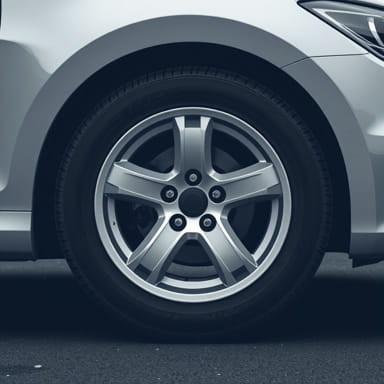
One of the most important but often overlooked components of a vehicle’s suspension and steering system is the wheel bearing. Specifically, the wheel bearing on the nearside front the front wheel on the left side in countries where vehicles drive on the left plays a crucial role in ensuring a smooth, stable, and safe driving experience. A failing front nearside wheel bearing can lead to noise, vibrations, and even a complete loss of wheel control. For both vehicle owners and mechanics, understanding how this component works, what symptoms indicate a problem, and how it can be maintained or replaced is essential for road safety and car longevity.
Understanding the Nearside Front Wheel Bearing
What Is a Wheel Bearing?
A wheel bearing is a set of steel balls or rollers housed in a metal ring known as a race. It is located in the hub assembly and allows the wheel to spin smoothly with minimal friction. Each vehicle has four wheel bearings one at each wheel and they must endure the entire weight of the vehicle plus additional forces from braking, turning, and acceleration.
Nearside vs. Offside
In automotive terms, ‘nearside’ refers to the side of the vehicle closest to the curb (typically the left side in countries like the UK, Australia, or Japan). Therefore, the nearside front wheel bearing is the one on the front-left wheel. This terminology is especially relevant in maintenance reports, MOT checks, and repair instructions.
Functions of the Front Wheel Bearing
Supporting Wheel Rotation
The main purpose of a front wheel bearing is to allow the wheel to rotate with minimal resistance. It supports radial and axial loads from the vehicle while maintaining alignment and smooth rotation.
Stability and Safety
A healthy wheel bearing ensures that the wheel remains firmly attached to the vehicle. If the wheel bearing fails, it can result in excessive play, wobbling wheels, or even complete wheel detachment in severe cases.
Protecting Other Components
By reducing friction and distributing loads evenly, the wheel bearing also protects nearby components like the axle, CV joints, and suspension parts from unnecessary wear and tear.
Common Symptoms of a Faulty Nearside Front Wheel Bearing
Unusual Noises
One of the first signs of a failing front nearside wheel bearing is a persistent humming, grinding, or rumbling noise coming from the left side of the vehicle. This noise typically increases with speed and may change when turning.
Uneven Tire Wear
If the wheel bearing is worn out, it can cause the wheel to tilt or wobble slightly. This misalignment results in uneven tire wear, especially on the inner or outer edge of the nearside front tire.
Steering Instability
A damaged nearside front wheel bearing may cause the steering to feel loose, especially when turning or going over bumps. There may also be vibrations in the steering wheel.
ABS System Alerts
Modern vehicles have ABS sensors integrated with wheel hub assemblies. A failing bearing can affect the sensor’s reading and trigger the ABS warning light on the dashboard.
Causes of Front Wheel Bearing Failure
- Water Ingress: Water and debris entering the bearing can lead to corrosion and wear.
- Lack of Lubrication: Without proper grease, friction increases and leads to overheating and damage.
- Impact Damage: Hitting potholes, curbs, or road debris can damage the bearing housing or seals.
- Poor Installation: Incorrect installation or torqueing during previous repairs can lead to premature failure.
Inspection and Diagnosis
Visual and Manual Checks
Mechanics often lift the vehicle and manually check for wheel play by rocking the wheel side to side and top to bottom. Any looseness may indicate a failing bearing. In some cases, the hub or rotor may also feel hot after a short drive, suggesting internal friction.
Noise Tests
A test drive may help identify whether the noise changes when turning left or right. If turning right reduces the noise, it may indicate that the nearside front wheel bearing is the issue, as load shifts away from that side.
Repair and Replacement
When to Replace
Once a wheel bearing starts to fail, replacement is usually necessary. Bearings are sealed units in most modern cars and cannot be lubricated or adjusted. Delaying replacement can lead to more expensive damage to nearby components.
What Replacement Involves
Replacing a front nearside wheel bearing involves removing the wheel, brake components, and hub assembly. Depending on the vehicle, it may require pressing the old bearing out and installing a new one using specialized tools.
Professional vs. DIY
Although mechanically skilled individuals may attempt this repair, it is generally recommended to have a certified technician handle wheel bearing replacement due to the precision required and the tools involved.
Preventive Maintenance Tips
- Drive Carefully: Avoid hitting potholes or mounting curbs abruptly, especially on the left side.
- Regular Inspections: Have your wheels and bearings checked during tire rotation or brake servicing.
- Pay Attention to Noises: Address unusual sounds early before they lead to more serious issues.
Importance for Vehicle Safety
Critical for Steering and Handling
The nearside front wheel is subject to heavy stress during cornering and braking. A compromised bearing here affects handling and increases the risk of an accident.
Legal and Inspection Requirements
In many countries, vehicles must pass regular roadworthiness tests (like the MOT in the UK). A worn nearside front wheel bearing is a common reason for failure and must be repaired before the vehicle can be legally driven.
Comfort and Performance
Besides safety, a smooth-functioning wheel bearing contributes to a quiet, comfortable ride and better fuel efficiency by reducing rolling resistance.
The nearside front wheel bearing plays a key role in ensuring your vehicle’s stability, steering performance, and overall safety. Understanding its function, symptoms of failure, and the importance of timely repair can help drivers avoid costly damage and dangerous breakdowns. Whether you are performing routine maintenance or responding to a warning sign, prioritizing this small but vital component will keep your car running smoothly and securely on the road.