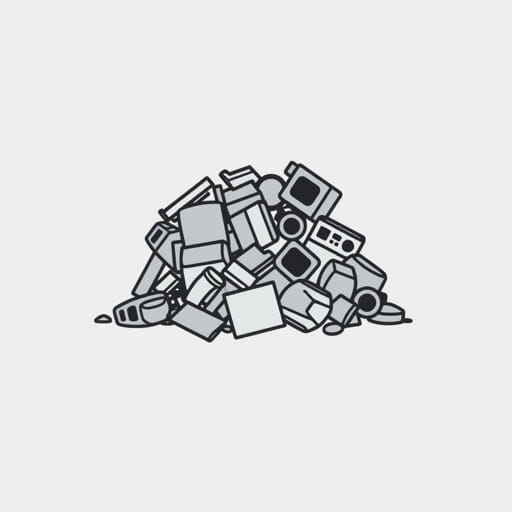
Hard rubbish refers to large household items that are no longer wanted or usable and are too big to fit in regular waste or recycling bins. These bulky waste materials are typically collected during scheduled council clean-ups or must be taken to specific disposal facilities. Common examples include old furniture, broken appliances, worn mattresses, and disused garden equipment. Understanding what constitutes hard rubbish, how it’s managed, and how to dispose of it properly is essential for maintaining clean neighborhoods, protecting the environment, and ensuring waste is processed safely and effectively.
Definition and Characteristics of Hard Rubbish
Hard rubbish is a term commonly used in Australia and other English-speaking countries to describe unwanted items that are large, bulky, and difficult to dispose of using standard waste collection services. These items usually require special handling and cannot be easily compacted or placed in household garbage bins.
Typical Items Considered Hard Rubbish
- Old sofas, chairs, and lounges
- Broken whitegoods like fridges, washing machines, and stoves
- Mattresses and bed frames
- Timber and metal furniture
- Large toys and sports equipment
- Old carpets and rugs
- Bicycles and exercise machines
These items are often made of mixed materials such as metal, plastic, fabric, and wood which makes recycling or repurposing more complex compared to smaller household waste.
Why Proper Disposal of Hard Rubbish Matters
Hard rubbish can pose serious environmental and safety concerns if not handled correctly. Leaving bulky waste items on streets or in vacant lots contributes to pollution, attracts pests, and creates hazards for pedestrians and motorists. Municipal governments and local councils implement collection services and disposal guidelines to prevent illegal dumping and ensure waste is processed appropriately.
Environmental Impact of Hard Rubbish
When hard rubbish is disposed of improperly, it may end up in landfills where it takes decades or even centuries to break down. Items like mattresses and electronic devices may leak harmful substances into the soil or groundwater. By separating materials for recycling or donating usable goods, the amount of landfill waste can be significantly reduced.
Hard Rubbish Collection Services
Many local councils offer scheduled hard rubbish collection services to residents. These services usually occur once or twice a year and allow households to place eligible items on the curbside for collection. However, guidelines vary between councils, so it’s important to check what items are accepted and how they should be arranged for pickup.
How to Prepare for Hard Rubbish Collection
- Check your council’s collection calendar or book a pickup if required
- Place items neatly on the nature strip or designated area, not blocking roads or walkways
- Separate recyclable materials where possible
- Do not place hazardous materials such as chemicals or gas bottles
- Remove doors from appliances like fridges for safety
Following these rules ensures a smooth and safe collection process and helps sanitation workers identify and sort recyclable materials effectively.
Alternatives to Throwing Away Hard Rubbish
Before placing items out for collection, consider if the hard rubbish can be reused, repaired, or donated. Many items that are no longer needed by one household could still serve a purpose for someone else.
Donate or Sell Usable Items
Some options include:
- Donating furniture or appliances to charities
- Listing items for free or sale online via classified websites
- Giving away usable goods through local community groups
This approach not only extends the life of the item but also reduces the environmental footprint by avoiding unnecessary landfill waste.
Take Items to Recycling Centers
Many cities operate recycling depots or transfer stations where residents can drop off hard rubbish items. These centers separate components like metal, timber, and electronics for recycling or safe disposal. Some recycling facilities even accept e-waste, whitegoods, and construction debris under their hard waste categories.
Items Often Not Accepted in Hard Rubbish Collections
While many bulky household items are accepted in hard rubbish, there are restrictions. Items that pose health or safety risks are typically excluded from curbside pickup services.
Examples of Non-Eligible Hard Waste
- Paints, solvents, and household chemicals
- Asbestos materials
- Car batteries and tires
- Gas cylinders
- Construction rubble or demolition waste
These materials usually require specialized disposal and should be taken to specific drop-off points or hazardous waste collection events organized by local authorities.
Community Responsibility and Awareness
Properly managing hard rubbish is a shared responsibility between residents, councils, and waste management providers. Public awareness campaigns often encourage people to reduce, reuse, and recycle where possible, and to only dispose of hard rubbish when no other options are viable.
Encouraging Sustainable Waste Habits
- Choose quality, long-lasting household goods to reduce waste
- Repair broken items instead of discarding them
- Use donation and recycling services actively
- Stay informed about local waste management rules and updates
Creating cleaner communities starts with individual actions. When residents understand what hard rubbish is and how to deal with it responsibly, neighborhoods become safer, more attractive, and more environmentally friendly.
Hard rubbish refers to large, bulky items that cannot be disposed of through regular waste services. These include old furniture, appliances, mattresses, and other oversized household items. Proper management of hard rubbish is essential for environmental sustainability, public safety, and efficient urban living. Through council-run collection services, recycling centers, and donation opportunities, residents have several options for responsible disposal. Understanding the definition of hard rubbish and following local disposal guidelines ensures that these large waste items are dealt with effectively and with minimal impact on the environment.