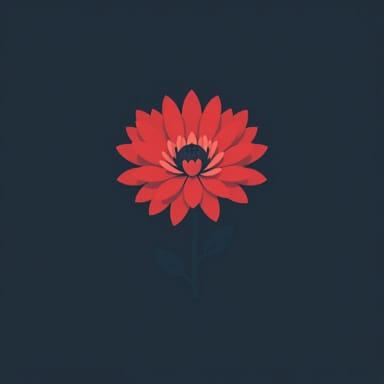
The chrysanthemum flower, often called mum for short, is one of the most cherished and widely cultivated ornamental flowers in the world. Recognized for its vibrant blooms and rich symbolism, this flower has been part of human culture for centuries. Its beauty and meaning vary across cultures, and it is admired both for decorative purposes and for its uses in traditional medicine and teas. Found in a wide array of colors, shapes, and sizes, chrysanthemums continue to capture the fascination of gardeners, florists, and flower enthusiasts alike.
Botanical Background of Chrysanthemums
Scientific Classification
Chrysanthemums belong to the Asteraceae family, which is one of the largest families of flowering plants. The scientific name of the genus isChrysanthemum, derived from the Greek words chrysos meaning gold and anthemon meaning flower. This refers to the original golden-yellow varieties, though now the plant comes in many colors.
Origin and Distribution
Native to Asia, particularly China and Japan, chrysanthemums have been cultivated for over 2,500 years. China is considered the birthplace of this flower, where it was first used as a medicinal herb before gaining popularity as an ornamental plant. Today, chrysanthemums are grown around the world in gardens, greenhouses, and landscapes, thriving in temperate climates with plenty of sunlight.
Types and Varieties
Wide Range of Forms
Chrysanthemums come in an impressive variety of forms, classified based on petal arrangement and flower shape. The National Chrysanthemum Society recognizes several bloom types, including:
- Spider: Long, tubular petals that twist or curl
- Pompon: Small, round, globe-like flowers
- Decorative: Full blooms with flat petals, often double-layered
- Single or Daisy: A central disc with a single row of petals
- Anemone: Raised central disc surrounded by petals
- Quill: Petals that resemble tubes or quills
Color Variations
Chrysanthemums bloom in a wide spectrum of colors, including white, yellow, pink, red, orange, purple, and green. Each color carries symbolic meanings in different cultures. For example, white chrysanthemums often symbolize purity or grief, while red varieties represent love and passion.
Cultural and Symbolic Significance
In Chinese Culture
In China, chrysanthemums are a symbol of longevity, nobility, and resilience. They are one of the ‘Four Gentlemen’ in Chinese art, alongside the plum blossom, orchid, and bamboo. Traditionally associated with autumn, the flower is honored during the Double Ninth Festival and is a favored motif in poetry and painting.
In Japanese Culture
Japan holds chrysanthemums in such high esteem that the flower is the national symbol. The Japanese imperial family is often associated with a stylized chrysanthemum emblem, and the country celebrates ‘Chrysanthemum Day’ (Kiku no Sekku) every September. In Japan, the flower signifies rejuvenation and perfection.
Western Interpretations
In Western countries, the symbolism of chrysanthemums varies. In the United States, they are commonly seen as cheerful, positive flowers used in fall decorations. In some parts of Europe, however, chrysanthemums are associated with death and are traditionally used as funeral flowers or placed on graves.
Uses of Chrysanthemum Flowers
Ornamental Gardening
One of the primary uses of chrysanthemums is for ornamental gardening. Their vivid colors and diverse forms make them a popular choice for borders, flower beds, and pots. Gardeners appreciate chrysanthemums for their late blooming season, which provides color in gardens long after summer flowers have faded.
Floristry and Bouquets
Florists frequently include chrysanthemums in bouquets and floral arrangements due to their long-lasting nature and variety of colors. Whether used alone or mixed with other blooms, chrysanthemums add structure, texture, and visual appeal to arrangements for weddings, birthdays, and other celebrations.
Medicinal and Culinary Use
In traditional Chinese medicine, chrysanthemum flowers have been used for centuries to treat ailments such as fever, headaches, and inflammation. Chrysanthemum tea, made from dried blossoms, is a popular beverage believed to have cooling properties that help detoxify the body and support eye health.
- Health benefits include:
- Reducing inflammation
- Supporting cardiovascular health
- Boosting the immune system
- Relieving stress and aiding sleep
How to Grow Chrysanthemums
Ideal Conditions
Chrysanthemums are relatively easy to grow, provided they receive the right care. They require well-drained soil, plenty of sunlight, and regular watering. These flowers prefer cooler climates and thrive when planted in early spring or late summer.
Basic Growing Tips
- Choose a sunny location with at least 5-6 hours of direct sunlight daily.
- Plant in soil enriched with compost or organic matter.
- Water regularly but avoid overwatering, which can cause root rot.
- Pinch back the stems during the growing season to encourage bushier growth and more blooms.
- Mulch around the base of the plants to retain moisture and suppress weeds.
Chrysanthemums in Seasonal Celebrations
Autumn Festivals and Decor
Chrysanthemums are widely used during the fall season in festivals and home decorations. In the United States, they are a staple of autumn-themed front porches, often paired with pumpkins and corn stalks. Their late-season bloom makes them a perfect symbol of the transition from summer to winter.
Gifts and Special Occasions
Because of their varied meanings and appealing appearance, chrysanthemums are often given as gifts. Yellow mums symbolize friendship, while purple ones may represent admiration. They are a thoughtful choice for birthdays, anniversaries, and even professional achievements.
The chrysanthemum flower is far more than a pretty blossom; it is a plant steeped in history, symbolism, and practical use. From its roots in ancient China to its imperial significance in Japan and its widespread popularity in Western floral arrangements, the chrysanthemum has proven to be a flower of great versatility and meaning. Whether admired in a garden, steeped in a soothing tea, or gifted to a loved one, chrysanthemums continue to be a cherished part of both cultural traditions and everyday life. Understanding what a chrysanthemum flower is helps us appreciate not only its natural beauty but also the deep significance it holds across the globe.