In a remote area along the heavily fortified Korean Demilitarized Zone (DMZ), the village of Panmunjom became the site of one of the most significant events of the 20th century. This tiny settlement gained global attention due to its pivotal role during the Korean War and in the years following it. Panmunjom became synonymous with tense negotiations, military standoffs, and fragile peace between North Korea and South Korea. The events that unfolded at Panmunjom reflect the broader story of the Korean Peninsula’s division and the ongoing struggle to achieve lasting peace.
The Signing of the Korean Armistice Agreement
The Background to the Conflict
After World War II, Korea was divided along the 38th parallel into two zones of occupation: the Soviet-backed North and the American-supported South. In 1950, North Korea invaded South Korea, sparking the Korean War. The conflict dragged on for three years and caused massive casualties, with neither side able to secure a decisive victory.
By 1951, both sides recognized that a military solution was unlikely and began considering negotiations. Panmunjom, situated near the front lines, was chosen as the site for armistice talks. These talks would stretch on for over two years, plagued by disagreement, mistrust, and intense political drama.
The Armistice of July 27, 1953
On July 27, 1953, representatives from the United Nations Command (led by the United States), North Korea, and China signed the Korean Armistice Agreement at Panmunjom. South Korea, under President Syngman Rhee, refused to sign, preferring to continue the war, but was ultimately pressured to accept the ceasefire terms.
The armistice brought an end to active combat but did not result in a formal peace treaty. Technically, North and South Korea remain at war to this day. The agreement established the Korean Demilitarized Zone (DMZ), a 4-kilometer-wide buffer zone that roughly follows the original 38th parallel, dividing the Korean Peninsula.
The DMZ and Joint Security Area (JSA)
Creation of the DMZ
The DMZ was created as part of the armistice agreement to prevent future clashes between the two sides. It stretches 250 kilometers across the peninsula and is one of the most fortified borders in the world. Within the DMZ is the Joint Security Area (JSA), located at Panmunjom, where both sides maintain a military presence.
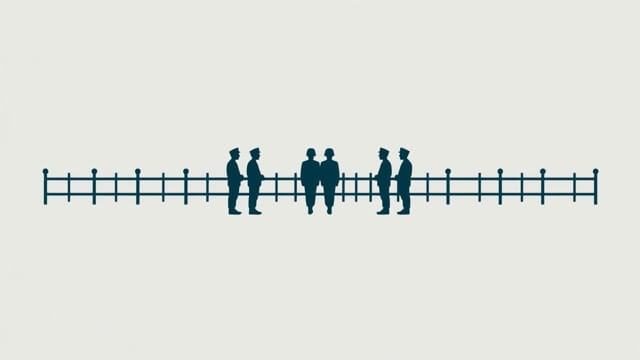
Panmunjom’s JSA is the only place along the DMZ where soldiers from North Korea and South Korea stand face-to-face. Small blue buildings, straddling the border line, serve as the location for diplomatic meetings and military negotiations. This location is where many high-profile discussions and summits have taken place since 1953.
Frequent Tensions and Incidents
Though the armistice brought an end to open conflict, Panmunjom has remained a hotspot for tension. Several violent incidents have occurred at the JSA:
- The Axe Murder Incident (1976): Two U.S. Army officers were killed by North Korean soldiers while attempting to trim a tree that blocked visibility between checkpoints. The U.S. responded with a massive show of force during ‘Operation Paul Bunyan,’ which further escalated tensions.
- Defections: Several high-profile defections have occurred at Panmunjom, including dramatic escapes across the DMZ. These incidents often draw international attention and raise concerns of renewed hostilities.
- Verbal and visual standoffs: Soldiers from both sides have frequently engaged in intimidation tactics and symbolic displays of power, including salutes, stares, and propaganda broadcasts.
Modern Diplomatic Engagements at Panmunjom
2018 Inter-Korean Summits
In April 2018, Panmunjom witnessed a historic breakthrough. South Korean President Moon Jae-in and North Korean leader Kim Jong-un met in the JSA, the first time a North Korean leader had crossed the border into the South. They held hands, walked together, and signed the Panmunjom Declaration for Peace, Prosperity, and Unification of the Korean Peninsula.
That same year, a second summit between the two leaders was held in May, again in Panmunjom. These meetings marked a dramatic shift in tone from previous years and suggested a new era of diplomacy. The symbolism of Panmunjom as the venue for peace was striking, given its history as a place of conflict.
U.S.-North Korea Talks
In June 2019, U.S. President Donald Trump met Kim Jong-un at Panmunjom, briefly stepping into North Korean territory becoming the first sitting U.S. president to do so. This highly publicized meeting emphasized Panmunjom’s status as a diplomatic touchpoint, though subsequent talks between the two nations stalled without a formal agreement.
The Symbolism and Legacy of Panmunjom
A Place Frozen in Time
Panmunjom remains one of the most unusual and heavily monitored areas in the world. The presence of soldiers standing mere feet apart, the relics of past conflicts, and the carefully maintained negotiation huts all contribute to its unique atmosphere. For many, Panmunjom represents the unresolved nature of the Korean conflict a reminder of division, yet also a place where dialogue remains possible.
Peace and Division
While the events at Panmunjom have not yet resulted in reunification or lasting peace, they have provided critical opportunities for dialogue. The village stands as both a symbol of Korea’s division and a beacon for potential reconciliation. The peace talks, summits, and continued military presence reflect the fragile nature of diplomacy on the Korean Peninsula.
What happened at Panmunjom has had far-reaching consequences for East Asia and the world. From the signing of the armistice in 1953 to dramatic defections and high-stakes summits in the 21st century, Panmunjom has played a central role in shaping inter-Korean relations. It is a place marked by confrontation but also by the enduring hope for peace. As long as the Korean conflict remains unresolved, Panmunjom will continue to be a focal point in the pursuit of stability and reconciliation.