Throughout history, different cultures have developed unique types of watercraft suited to their local environments and needs. One such remarkable vessel is the ‘coracle.’ Although it may not be a term you hear every day, especially outside of certain regions, the word coracle holds historical significance and describes a fascinating type of boat that has stood the test of time. Understanding what coracle means opens a window into ancient traditions of fishing and river transport, especially in parts of the British Isles and other areas with similar traditions.
Definition of Coracle
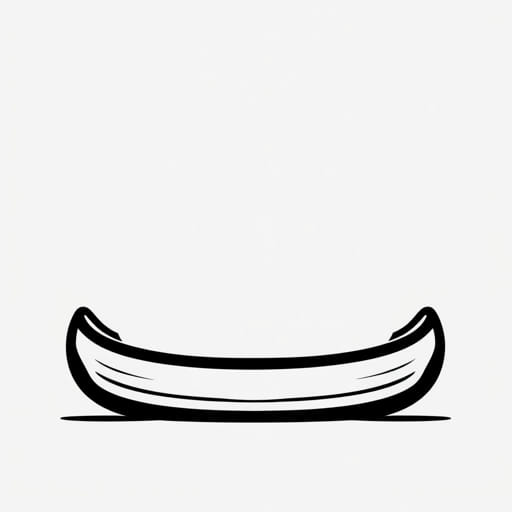
The term coracle refers to a small, rounded, lightweight boat traditionally used for fishing and transportation on rivers. Typically, it is constructed with a framework of woven wooden strips such as willow or bamboo covered with a waterproof material, originally animal hide and now more often a synthetic substitute like tarred canvas or plastic sheeting. The result is a shallow, bowl-shaped vessel that is incredibly buoyant and easy to maneuver on calm waters.
Etymology of the Word ‘Coracle’
The word ‘coracle’ comes from the Welsh wordcorwgl, which means a boat. It also has linguistic cousins in other Celtic languages, such as the Irishcurachor Scottish Gaeliccurrach. These variations indicate the boat’s shared ancestry across several cultures within the British Isles. While the specific term coracle is commonly associated with Wales, similar boats were used in other regions, including parts of Scotland, Ireland, and even India and Vietnam, under different names.
Key Characteristics of a Coracle
Coracles have a number of distinctive features that make them easy to identify and distinguish from other types of boats. These include:
- Shape: Typically round or oval, resembling a large basket or bowl.
- Material: Made from a frame of laths or saplings covered with hide, tarred cloth, or modern waterproof materials.
- Size: Small enough to carry by one person; usually accommodates one or two people at most.
- Weight: Extremely lightweight, often light enough to carry on one’s back when not in the water.
- Paddle: Operated using a single paddle with a figure-eight motion rather than conventional rowing.
Historical Use and Cultural Importance
Coracles have been used for centuries, possibly dating back to the Roman period or earlier. They were primarily used for fishing in rivers and streams where larger boats would be impractical. Because they sit high on the water and disturb it very little, they are ideal for approaching fish without alerting them. In many rural communities, coracle fishing was not just a method of food gathering but also a cultural tradition passed down through generations.
Regions Known for Coracle Use
Although most strongly associated with Wales, particularly along the River Teifi and the River Tywi, coracles were also used in other areas:
- England: Along the River Severn and River Wye.
- Scotland and Ireland: Where they were known as curraghs.
- India: Especially in southern regions like Karnataka, where coracles are used to ferry people across rivers.
- Vietnam: The Vietnamese thung chai is similar in design and used for coastal fishing.
Modern-Day Coracles
Today, the use of coracles has largely declined due to the availability of modern fishing boats and stricter fishing regulations. However, they are still used in some areas for traditional fishing or as a cultural symbol. In Wales and other parts of the UK, coracle races and festivals are held to keep the tradition alive and educate the public about their heritage. In parts of India and Southeast Asia, coracles are still practical due to their low cost and ability to navigate shallow waters.
Environmental Benefits of Coracle Boats
Because coracles are typically hand-crafted from natural or recycled materials and do not require fuel-powered engines, they are environmentally friendly. Their small size and gentle movement through the water also cause minimal disruption to aquatic ecosystems. In an era where sustainability is increasingly important, coracles represent a model of low-impact design and practical ingenuity.
How Coracle Is Used in a Sentence
Understanding how the word coracle is used in context can help solidify its meaning. Here are a few examples of how to use it in a sentence:
- The fisherman paddled his coracle silently across the river, careful not to disturb the water.
- She had never seen a coracle before, and was amazed by how easily it floated despite its simple design.
- During the summer fair, locals demonstrated how to build a traditional coracle from willow branches and tar.
- The guide explained that coracles had been used in this region for centuries, especially for salmon fishing.
Why Learn the Meaning of Coracle?
Learning the meaning of coracle not only enriches your vocabulary but also offers insight into regional history and traditional ways of life. For language learners, especially those studying British English or cultural studies, coracle is a term that connects language with heritage. It reflects the resourcefulness of ancient communities who used what was available in their natural environment to build essential tools for survival and commerce.
Difference Between Coracle and Other Boats
It is important to note how a coracle differs from other small boats:
- Rowboats: Usually larger, heavier, and built from solid wood or metal.
- Canoes: Long and narrow, paddled from a kneeling or sitting position.
- Kayaks: Enclosed and sleek, designed for speed and open water navigation.
- Coracles: Round, portable, extremely lightweight, and made for quiet river fishing.
The word coracle may seem obscure at first, but it carries with it a rich heritage and deep cultural relevance. As a type of ancient, handmade watercraft, the coracle showcases human adaptability and traditional craftsmanship. Whether encountered in a historical text, a museum exhibit, or a riverside festival, understanding what a coracle is brings new appreciation for how people have lived in harmony with their environment. It also reminds us that even small, seemingly simple inventions can have lasting impact across centuries and continents.