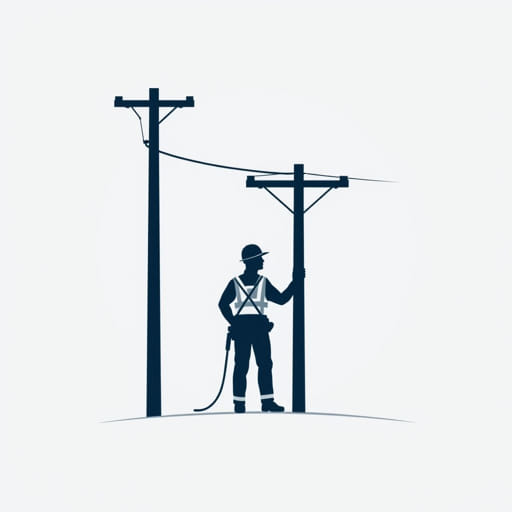
Whether working high above the ground or deep below it, linemen play a crucial role in keeping the power and communication systems functioning smoothly across cities and rural areas alike. Without linemen, the electrical grid would be unable to distribute energy, and outages could last much longer. These professionals are often the unsung heroes during storms and emergencies, risking their safety to restore power and connectivity. Their work involves a mix of technical skill, physical endurance, and strong attention to safety protocols, making their role both challenging and essential.
Understanding the Role of Linemen
Definition and General Duties
A lineman, also referred to as a lineworker or powerline technician, is a skilled tradesperson responsible for constructing, maintaining, and repairing power lines and telecommunications cables. These systems are typically located overhead on utility poles or underground in trenches and conduits. Linemen work for utility companies, contractors, or government agencies, ensuring that communities receive uninterrupted electrical service and data transmission.
Daily Tasks and Responsibilities
The tasks performed by linemen vary depending on their specialization and the needs of the area they serve. Here are some common responsibilities:
- Installing and repairing overhead and underground power lines
- Climbing poles or using bucket trucks to access wires
- Splicing cables and connecting wires
- Inspecting lines for signs of damage or wear
- Responding to power outages and emergency situations
- Maintaining transformers, circuit breakers, and other equipment
- Reading blueprints and technical diagrams
- Ensuring all work meets safety regulations
Types of Linemen
Transmission Linemen
Transmission linemen work on high-voltage power lines that carry electricity over long distances from power plants to substations. These lines are often suspended between very tall towers, and the work can take linemen to remote and elevated locations. Safety is paramount due to the extreme voltages involved.
Distribution Linemen
Distribution linemen deal with lower-voltage power lines that run from substations to homes, businesses, and schools. Their work typically involves utility poles and underground systems in residential and commercial areas. These linemen are often the ones who respond to storm-related outages.
Telecommunications Linemen
In addition to electrical work, some linemen specialize in telecommunications. These professionals install and maintain fiber optic and coaxial cables used for phone, internet, and television services. As technology evolves, the demand for telecom linemen continues to grow.
Working Conditions and Environment
Challenging Outdoor Settings
Linemen often work in difficult weather conditions, including rain, snow, and extreme heat. Because many tasks are performed outdoors and at significant heights, linemen must be comfortable working in potentially hazardous environments. Physical stamina and strength are essential.
Emergency Response
When natural disasters strike, linemen are among the first responders to assess and repair damaged power infrastructure. Hurricanes, ice storms, and wildfires can all knock out power, and linemen may work long hours under pressure to restore service quickly and safely.
Safety and Protective Gear
Due to the high-risk nature of the job, safety training is rigorous. Linemen wear protective gear such as flame-resistant clothing, insulated gloves, hard hats, and safety harnesses. They also use specialized tools designed to minimize the risk of electrical shock or fall injuries.
Skills and Qualifications
Technical Knowledge
Linemen must understand the principles of electricity, including voltage, current, and resistance. They also need to interpret electrical schematics and possess knowledge of how grid systems work. Troubleshooting and diagnosing faults quickly is a critical part of their job.
Physical and Mental Requirements
The job demands excellent physical fitness. Linemen need strength, balance, and coordination to climb poles and handle heavy tools. Mentally, they must stay alert and make critical decisions under pressure, especially when working with live wires or during emergencies.
Training and Certification
Most linemen begin their careers through apprenticeship programs that combine classroom instruction with hands-on training. These programs typically last 3 to 4 years. Certification may also be required, depending on the region or employer. Continuing education is often necessary to keep up with evolving technology and safety standards.
Career Outlook and Opportunities
Growing Demand
The demand for linemen is expected to grow steadily due to aging infrastructure, expansion of the electric grid, and increased installation of renewable energy systems. As more areas transition to smart grids and electric vehicles, skilled linemen will remain in high demand.
Advancement Potential
Experienced linemen can advance to supervisory or training positions. Some move into related fields such as electrical inspection, system design, or utility management. The skills acquired in this profession are transferable and valuable across the energy sector.
Why Linemen Matter
Essential to Daily Life
Without linemen, the systems that power our homes, hospitals, schools, and businesses would be vulnerable to failure. Every light that turns on, every phone that connects, and every appliance that runs depends on the infrastructure that linemen build and maintain.
First Responders of the Utility World
When others are told to stay indoors during a storm, linemen are often heading out to assess damage and restore service. Their dedication ensures that communities bounce back quickly from disruptions, making them indispensable members of society’s workforce.
Linemen are more than just workers in hard hats they are highly trained professionals whose expertise keeps our modern world running smoothly. From climbing poles to managing complex electrical systems, their work is as varied as it is vital. Understanding what linemen do helps us appreciate the infrastructure we often take for granted and the people who risk their safety to support it. With strong job prospects and opportunities for advancement, becoming a lineman offers a fulfilling and respected career path for those who are up to the challenge.