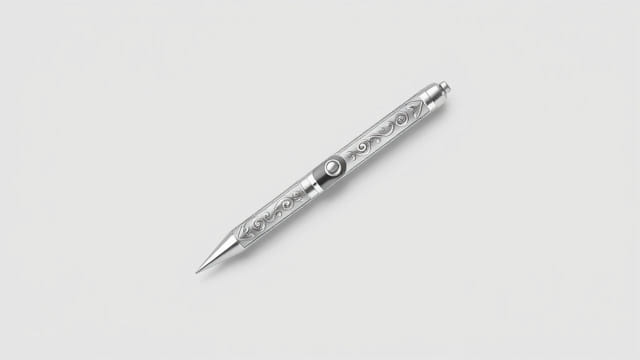
The Victorian silver propelling pencil is a remarkable object that blends elegance, craftsmanship, and functionality in a way few writing instruments ever have. Created during the 19th century in the height of the Victorian era, these pencils were not only practical tools for writing and drawing but also fashionable accessories. They were often made from sterling silver, intricately engraved, and sometimes personalized. These pencils are highly sought after by collectors and history enthusiasts alike, representing a fascinating intersection of technology, artistry, and daily life in the Victorian period.
The Rise of the Propelling Pencil
Before the widespread use of wooden pencils and modern mechanical versions, the propelling pencil also known as the mechanical or retractable pencil offered a reusable and refined alternative. The mechanism allowed the lead to be advanced forward through the barrel, eliminating the need for constant sharpening. This was particularly appealing during a time when portability and decorum were valued, especially in professional and social settings.
Innovation in Writing Instruments
The Victorian era was a time of significant innovation and industrial growth. The propelling pencil was part of a broader movement toward convenience and elegance in personal accessories. These pencils were often equipped with a twist or slide mechanism that advanced the lead. While early examples might seem simple by today’s standards, the engineering required to produce such fine and reliable mechanisms in the 1800s was impressive.
- Lead advancement was typically achieved by turning the barrel or pushing a slide.
- Some pencils were designed to hold multiple sizes of lead or even include attachments like quill pens.
- Mechanisms were often patented by silversmiths and inventors to protect their innovations.
Victorian Silver and Craftsmanship
Victorian silver propelling pencils were frequently crafted from sterling silver, a mark of status and refinement. Silversmiths took great pride in their work, and many pencils featured hallmarks indicating their origin, maker, and date of manufacture. The intricate engravings on the barrels often included floral motifs, geometric patterns, or personal monograms.
Symbol of Social Class
These pencils were more than utilitarian tools they were expressions of taste and wealth. Owning a silver pencil showed that one had both the means and the inclination to invest in quality. They were popular gifts and often included in personal writing sets carried by gentlemen and ladies alike.
- Some pencils were custom engraved with names, crests, or dedications.
- More elaborate versions included chains or were worn as pendants or fobs on watch chains.
- In many cases, these pencils were passed down as heirlooms, preserving family history.
Popular Makers and Hallmarks
Several renowned silversmiths in England produced Victorian silver propelling pencils. These makers often stamped their creations with recognizable hallmarks that are now useful for collectors and historians to trace authenticity and provenance.
Recognizable Hallmarks
- City Mark: Indicates the city of assay, such as London, Birmingham, or Sheffield.
- Date Letter: A letter representing the year the item was assayed.
- Maker’s Mark: Initials or symbols identifying the silversmith or manufacturer.
Some notable makers include Sampson Mordan & Co., a leading producer of mechanical pencils, and Francis Webb. These manufacturers combined high-quality materials with inventive designs that are still admired today.
Design and Utility
While the aesthetic appeal of Victorian silver propelling pencils is undeniable, their design was also centered on utility. Many models featured a telescoping mechanism that allowed the pencil to be extended during use and retracted when stored, protecting both the lead and the user’s pocket or bag. Some models also incorporated additional tools like letter openers or toothpicks, making them multifunctional.
Functional Elegance
Designs varied widely, from slim and discreet to more ornate and decorative. Some pencils had compartments for spare leads or integrated erasers. The combination of form and function made these items both beautiful and efficient for daily writing tasks.
- Simple twist-action or slider-based mechanisms for extending the lead.
- Compact designs with pull-out or extending sections.
- Decorative touches like repoussé work, enameling, or gold gilding.
Collecting Victorian Silver Propelling Pencils
Today, Victorian silver propelling pencils are considered valuable collectibles. Their appeal lies not only in their historical significance but also in their craftsmanship and rarity. Collectors often seek pieces with original hallmarks, working mechanisms, and minimal damage. Condition plays a key role in value, as does the presence of original accessories or packaging.
Tips for Collectors
- Inspect hallmarks to verify authenticity and date.
- Test the propelling mechanism to ensure it still functions.
- Look for unusual features such as built-in rulers, pen nibs, or attachments.
- Store in a dry, clean environment to prevent tarnish or corrosion.
While some collectors focus solely on one maker or type, others enjoy building a diverse collection that reflects different styles and eras within the Victorian period. Silver propelling pencils also make unique gifts for lovers of antique writing instruments and historical memorabilia.
The Cultural Significance
Victorian silver propelling pencils tell a story beyond their function. They reflect the values of a society that appreciated both practicality and ornamentation. In an era when letter writing, journaling, and sketching were daily habits, owning such a pencil was a sign of literacy, refinement, and status. They represent a time when even the most ordinary object could be a work of art.
Moreover, these pencils remind us of the transition between handmade craftsmanship and industrial production. They bridge the gap between the artisanal world and the mass-manufactured age, showing how quality and detail were still cherished even as manufacturing methods advanced.
The Victorian silver propelling pencil is a perfect example of how a simple tool can carry rich historical and cultural meaning. Combining mechanical innovation with fine silversmithing, these writing instruments were beloved by the educated and elite of their time. Today, they are admired as collectible treasures that preserve the artistry and elegance of the Victorian era. Whether displayed in a collector’s cabinet or used as a refined personal item, the legacy of these pencils continues to write itself into history.