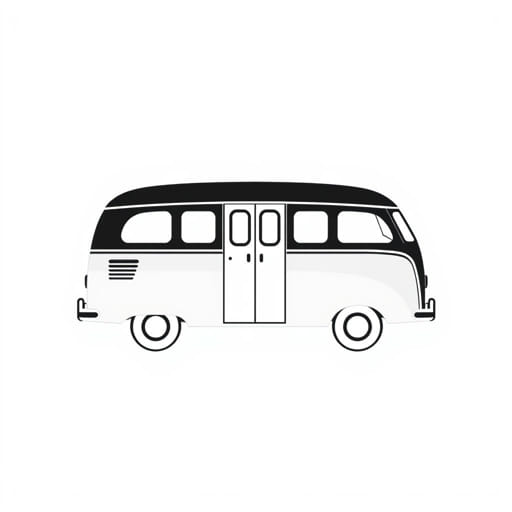
In the cultural landscape of early 20th-century Britain, the term ‘charabanc’ evokes images of a bygone era. These open-topped motor coaches, once a popular mode of group travel for working-class excursions, played an important role in shaping social leisure. The phrase ‘There goes the charabanc’ symbolizes not just a vehicle setting off on an adventure, but also the departure of a generation and a lifestyle long faded into history. Exploring the story behind this phrase unveils a tapestry of industrialization, working-class culture, and the evolving face of public transportation.
Origins of the Charabanc
The word ‘charabanc’ is derived from the French termchar-à-bancs, which translates to ‘carriage with benches.’ Initially horse-drawn, these vehicles were adapted with motorized engines in the early 1900s. They became widely used in Britain, especially for taking groups of people often factory workers or church congregations on day trips to the seaside or countryside. The charabanc experience was communal, noisy, spirited, and filled with anticipation.
Industrial Revolution and the Rise of Group Travel
As Britain experienced rapid industrial growth, urban workers were offered occasional breaks from grueling routines. This coincided with the introduction of paid holidays and early labor movements. Employers, trade unions, and churches often organized charabanc trips as a form of recreation and morale-building. These journeys were more than just transportation they were social events that encouraged camaraderie and a temporary escape from urban hardships.
Design and Features of the Charabanc
Charabancs were distinct for their long, low bodies with rows of wooden or leather-covered bench seating. Most had no roofs or side windows, offering an open-air experience. As a result, passengers were exposed to the elements, leading to the tradition of wearing hats and bringing along heavy coats and blankets.
- Typically powered by petrol engines
- Seating capacity ranged from 20 to 40 passengers
- Open-topped with a canvas covering used in rain
- Bench-style seating arranged in rows
- Decorative paintwork often seen on the sides
Popular Destinations and Routes
Charabanc outings were often planned for Sundays or bank holidays. Popular destinations included Blackpool, Brighton, Scarborough, and the Lake District. These locations were chosen for their natural beauty, entertainment offerings, and availability of public amenities. Some groups opted for historical landmarks or picnics in scenic countryside areas.
Routes typically avoided railways and relied on newly constructed or improved road networks. The journeys were leisurely, punctuated by rest stops at roadside inns or tea shops. Music, singing, and even dancing were common aboard the charabanc, adding to the festive mood.
Societal Impact and Cultural Significance
The charabanc revolutionized working-class leisure. For the first time, mass transportation allowed people of limited means to explore beyond their industrial towns. This democratization of travel fostered community bonds and introduced many to new experiences, fostering appreciation for nature, history, and wider society.
In literature, film, and local memory, the charabanc is fondly recalled as a symbol of unity and joy. Its frequent mention in British nostalgia underscores how significant these outings were in shaping the collective memory of early 20th-century life.
Transition to Modern Coaches
By the mid-1930s, the popularity of charabancs began to wane. Newer, enclosed motor coaches offered greater comfort, speed, and protection from unpredictable British weather. These modern vehicles gradually replaced charabancs in holiday travel, school outings, and sports events.
Legislation around road safety and licensing further contributed to the decline of the open-topped charabanc. Yet, the spirit of group travel remained, evolving into the more structured coach tours of the post-war period.
The Phrase ‘There Goes the Charabanc’
In everyday language, ‘There goes the charabanc’ came to symbolize not only the physical departure of the vehicle but also broader cultural and emotional connotations. It marked the beginning of an adventure, a shared experience, or the passage of an era. In some circles, it also carried a bittersweet tone acknowledging the transience of joyful moments and the inevitable passage of time.
Today, the phrase may be used metaphorically to express nostalgia, the end of a tradition, or even humor in reference to a chaotic group outing. It serves as a linguistic relic from an age when travel was an extraordinary affair, carefully organized and eagerly anticipated.
Preservation and Historical Interest
Although charabancs disappeared from mainstream use, several museums and vintage vehicle collectors in the UK maintain preserved models. These are occasionally displayed at vintage fairs, transport museums, and historical reenactments. Seeing a charabanc roll down a rural lane offers a window into the past a physical connection to the days when adventure was just a few benches away.
Some cultural festivals and local historical societies even organize charabanc-themed events. These may include dressing in period costume, singing traditional songs, and sharing stories passed down from grandparents who remembered such outings fondly.
More Than Just a Vehicle
The charabanc was more than a means of transportation; it was an emblem of hope, leisure, and unity during a transformative time in British history. It provided accessible travel for many, encouraged social cohesion, and left an imprint on popular culture. Though long vanished from everyday life, its memory endures through phrases like ‘There goes the charabanc,’ reminding us of a world where a simple day trip could offer immense joy and a sense of freedom.
Understanding the world of the charabanc invites us to reflect on the evolving nature of travel, the importance of communal experience, and the enduring power of nostalgia in shaping how we remember the past. Its story remains a treasured chapter in the broader narrative of British social and transport history.