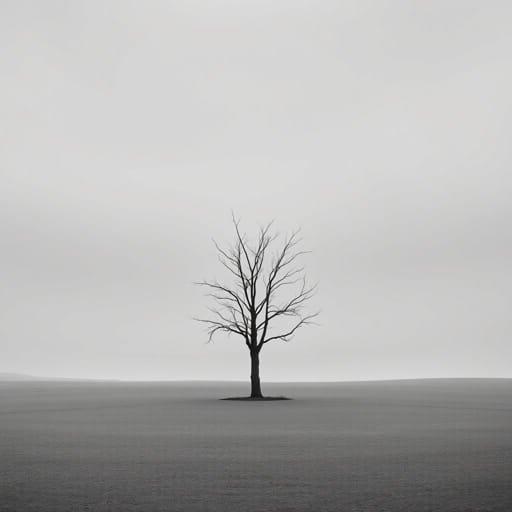
The word desolate evokes strong imagery of emptiness, loneliness, and abandonment. It is often used to describe places that feel bleak and barren or emotional states marked by isolation and despair. Understanding the synonyms of desolate not only enriches vocabulary but also allows for more precise and varied expression in both writing and speech. This topic explores the various synonyms of desolate, their meanings, nuances, and usage in different contexts to help readers expand their grasp of this evocative term.
Understanding the Meaning of Desolate
Before diving into synonyms, it’s essential to grasp the full meaning of desolate. The word is primarily an adjective with two main senses:
- Physical sense: A place that is deserted, barren, or empty, often harsh and inhospitable. For example, a desolate wasteland or a desolate island.
- Emotional sense: Feelings of loneliness, sadness, or abandonment. For instance, someone feeling desolate after losing a loved one.
Because desolate can describe both places and feelings, its synonyms vary depending on which aspect is emphasized.
Synonyms of Desolate Related to Places
When referring to physical locations, the following synonyms capture the sense of emptiness and abandonment:
Barren
Barren describes land that is unable to produce vegetation or sustain life, emphasizing sterility and emptiness.
Example: The barren desert stretched for miles without any sign of life.
Bleak
Bleak refers to a landscape or environment that is cold, harsh, and lacking in comfort or hope.
Example: The bleak moor was shrouded in mist and silence.
Deserted
Deserted means completely empty of people, abandoned.
Example: The town was deserted after the factory closed down.
Empty
Empty is a simple synonym indicating absence of people, objects, or life.
Example: The empty streets echoed with the sound of footsteps.
Isolated
Isolated suggests a place far removed from others, emphasizing separation and loneliness.
Example: The cabin was isolated deep in the mountains.
Synonyms of Desolate Related to Emotional States
When desolate describes feelings, these synonyms are often used:
Lonely
Lonely refers to feeling alone and sad due to lack of companionship or support.
Example: After moving to a new city, she felt incredibly lonely.
Forlorn
Forlorn suggests a deep, hopeless sadness and abandonment.
Example: The dog looked forlorn after being left at the shelter.
Bleak (emotional)
In an emotional context, bleak can describe a situation or outlook that is hopeless or depressing.
Example: The future seemed bleak after the company announced layoffs.
Despairing
Despairing conveys a feeling of utter hopelessness and loss of hope.
Example: She was despairing after hearing the devastating news.
Heartbroken
Heartbroken refers to intense emotional pain, often due to loss or disappointment.
Example: He was heartbroken when his best friend moved away.
Nuances Between Synonyms
Though these synonyms are related, subtle differences exist:
- Barrenspecifically relates to lack of fertility or life in nature, whereasdesertedhighlights absence of people.
- Lonelycan be temporary or mild, butforlornimplies a stronger sense of hopelessness and abandonment.
- Bleakcan describe both physical environments and emotional states, always carrying a sense of harshness or gloom.
Choosing the right synonym depends on the context and the intensity of the feeling or description desired.
Using Synonyms of Desolate in Sentences
To better understand usage, here are examples with synonyms:
- Thebarrenlandscape was devoid of any vegetation.
- The village wasdesertedafter the flood.
- She feltlonelydespite being surrounded by people.
- Hisforlornexpression showed how much he missed home.
- The outlook for the project wasbleakafter funding was cut.
How to Choose the Right Synonym
When selecting a synonym for desolate, consider these points:
- Is the subject a place or a feeling?Use synonyms accordingly.
- What degree of emptiness or sadness do you want to express?Mild loneliness versus deep abandonment.
- Is the tone formal or informal?Words like forlorn tend to be more literary, while empty is everyday language.
The Importance of Vocabulary Variety
Using synonyms enhances writing by avoiding repetition and adding color to descriptions. For example, instead of repeatedly saying desolate, a writer can choose bleak or forlorn depending on context, providing richer imagery and emotional depth.
In conversation, knowing synonyms helps express feelings and descriptions more precisely, making communication clearer and more engaging.
The word desolate captures powerful ideas of emptiness and loneliness. Its synonyms, ranging from barren and deserted to forlorn and lonely, allow speakers and writers to convey various shades of meaning. Understanding these synonyms and their nuances helps improve vocabulary, communication skills, and the ability to paint vivid pictures in language. Whether describing a physical place or an emotional state, selecting the right word enriches expression and ensures that the intended message is delivered with clarity and impact.