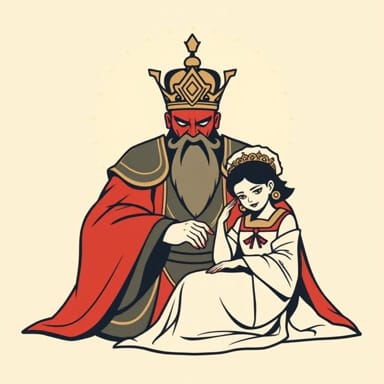
In the world of fictional kingdoms and political intrigues, one captivating narrative has emerged with great interest from readers across various platforms: the tale of the ruthless emperor and the hostage princess. This gripping story is more than a simple romance; it’s a powerful mix of strategy, emotional tension, and transformation. At its core, the emperor cold, commanding, and feared across the realm finds his icy heart slowly melting as he becomes increasingly drawn to the princess he once saw as a pawn in his political game. The transformation of their relationship becomes the central focus of a narrative that captivates audiences who enjoy character-driven plots and emotional complexity.
The Setting of a Tense Political Drama
The story unfolds in a sprawling empire ruled by an iron-fisted emperor. He is known for his calculated decisions, ruthless warfare, and complete lack of mercy toward his enemies. The emperor’s reign is unchallenged, and his reputation as a brutal tactician has cemented his authority. On the other side of the border lies a rival kingdom smaller but resilient. In an effort to prevent further bloodshed, the rival kingdom sends its princess as a hostage, a common tactic in diplomacy to ensure peace or compliance.
This political maneuver places the young princess in a dangerous position. She is now under the control of the very man responsible for waging war against her homeland. Her presence in the imperial palace is symbolic, but it also marks the beginning of a complex psychological and emotional relationship.
The Ruthless Emperor’s Character
The emperor is portrayed as a master of strategy, someone who has never hesitated to make hard decisions for the sake of victory. His demeanor is cold, and he commands loyalty through fear and discipline. Despite his harsh rule, he is not mindlessly cruel; his decisions are always grounded in purpose, and his goals are always aligned with strengthening the empire.
However, this same man begins to change after meeting the hostage princess. While at first he sees her as nothing more than a political tool, her quiet resilience and intelligence start to challenge his assumptions. She does not beg, plead, or cower. Instead, she observes, listens, and responds with dignity. This subtle defiance catches the emperor off guard.
The Princess: Strength Behind Vulnerability
The princess is initially introduced as a fragile figure in a hostile court. She has been separated from her family, her people, and everything familiar to her. However, she possesses a hidden strength. She is not a damsel in distress but rather a careful observer who understands the importance of diplomacy and patience. Her interactions with the emperor are calculated but never deceitful.
Her bravery lies not in rebellion but in endurance. She maintains her cultural identity and values even within the enemy’s court. She wins over not only the emperor but also the palace staff and officials, who begin to see her as more than just a political symbol. Through her presence, the palace starts to soften, revealing cracks in the emperor’s unyielding image.
The Slow Transformation
The heart of the story lies in the emotional development between the emperor and the princess. At first, their conversations are stiff, often filled with veiled threats or cold indifference. But gradually, they begin to share glimpses of their personal struggles. The emperor opens up about the burdens of leadership, the loneliness of power, and the expectations placed upon him since childhood.
The princess, in turn, speaks of loss, of duty, and of the hope that peace can be achieved without destruction. These moments of vulnerability begin to erode the walls the emperor has spent a lifetime building. He begins to respect her courage and perspective, eventually growing protective of her well-being in ways that surprise even himself.
Signs of a Doting Nature
- He begins granting her more freedom within the palace grounds.
- He ensures her comfort, sending rare flowers and fine silks to her chambers.
- He personally visits her more frequently, seeking conversation rather than confrontation.
- He defends her from court intrigue and political enemies.
What begins as a calculated political decision evolves into something deeper and far more personal. The ruthless emperor, once known for his merciless conquests, now finds himself unable to bear the thought of losing her.
Conflict Between Duty and Emotion
This evolving relationship does not come without complications. The emperor’s advisors question his judgment, worried that his growing affection for the princess might weaken his authority. Meanwhile, the princess struggles with her own feelings, torn between loyalty to her homeland and the unexpected connection forming with her captor.
The tension between duty and desire adds another layer of drama to the narrative. Every decision the emperor makes now carries added weight. Is he acting for the good of the empire, or is he prioritizing his feelings for the princess? This question becomes central to the story’s climax.
The Turning Point
At a crucial moment, the rival kingdom considers breaking the peace treaty, believing the emperor’s affection has made him vulnerable. In response, the princess steps forward, urging the emperor not to respond with war but with diplomacy. This marks a pivotal shift not only in the emperor’s leadership style but also in how the empire views him. The once-ruthless leader begins to earn a different kind of respect.
His decision to prioritize peace, inspired by the hostage princess, transforms him from a feared emperor to a more balanced ruler. The people see his humanity, and the court can no longer deny the powerful influence the princess has had on him.
From Hostage to Empress
In many versions of this narrative, the story concludes with the emperor choosing to marry the princess, not out of political gain but out of genuine love and admiration. She is no longer a hostage but an equal his empress. Together, they lead the empire into a new era, marked by diplomacy, mutual respect, and a shared vision for peace.
The story of the ruthless emperor doting on the hostage princess resonates because it is a story of transformation. It shows that even the coldest hearts can be thawed, that power can be tempered by compassion, and that love can emerge in the unlikeliest of places. For readers drawn to complex emotional journeys and political intrigue, this tale offers both drama and inspiration.