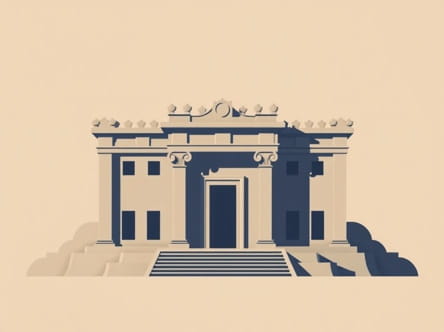
The Palace of King Minos stands as one of the most remarkable and mysterious archaeological sites of ancient Crete, symbolizing the power and sophistication of the Minoan civilization. Known for its complex architecture and rich historical significance, this palace has fascinated historians, archaeologists, and tourists alike for centuries. The palace, located at Knossos, is often linked to myths such as the Labyrinth and the Minotaur, weaving legend with historical fact. Exploring the Palace of King Minos provides insight into the advanced urban planning, art, and culture of one of Europe’s earliest civilizations.
Location and Historical Context
The Palace of King Minos is situated near the modern city of Heraklion on the island of Crete, Greece. It was the ceremonial and political center of the Minoan civilization, which flourished during the Bronze Age, approximately between 2000 and 1400 BCE. This period is often considered the height of Minoan culture, marked by impressive architectural achievements, vibrant frescoes, and extensive trade networks across the Mediterranean.
The palace served as the royal residence of King Minos, a legendary figure whose story is intertwined with Cretan myths and ancient Greek literature. The site at Knossos was first excavated in the early 20th century, revealing a sprawling complex that astonished scholars with its size and complexity.
Architectural Features of the Palace
The Palace of King Minos is renowned for its intricate and innovative design. It covered an estimated area of over 20,000 square meters and included multiple levels, courtyards, storerooms, workshops, and residential quarters. The palace’s architecture reflects advanced knowledge of construction, ventilation, and urban planning.
Labyrinthine Layout
The palace’s layout is famously complex, resembling a labyrinth a design that likely inspired the Greek myth of the Labyrinth housing the Minotaur. Narrow corridors, staircases, and multiple rooms create a maze-like environment, which may have been intended for defense, religious rituals, or administrative purposes.
Central Courtyard
The large central courtyard was the focal point of the palace, serving as a gathering space for ceremonies and public events. Surrounding the courtyard were the throne room, religious shrines, and rooms decorated with vibrant frescoes depicting nature, religious ceremonies, and daily life.
Advanced Engineering
The palace featured sophisticated drainage systems and running water, which were advanced for the time. Stone and timber were used in construction, with columns that tapered downward an unusual feature intended to enhance stability. The use of light wells and open spaces allowed natural light to penetrate deep into the building.
Art and Decoration
The Palace of King Minos is famous for its exquisite frescoes, which offer valuable insight into Minoan life, beliefs, and artistic achievements. These wall paintings depict scenes of nature, such as dolphins, bulls, and lilies, as well as human figures involved in religious rituals, sports, and social activities.
The vibrant colors and fluid movement captured in the frescoes highlight the Minoans’ appreciation for nature and beauty. Artifacts found at the site, including pottery, jewelry, and tools, also demonstrate the civilization’s craftsmanship and aesthetic sensibility.
Religious and Cultural Significance
The palace was not just a royal residence but also a religious center. Several rooms and shrines indicate the importance of ritual and worship in Minoan society. The Minoans practiced nature-based religions, venerating goddesses and sacred animals, especially bulls, which held symbolic meaning.
The myth of the Minotaur a creature half-man, half-bull confined within a labyrinth is thought to have originated from religious practices centered around bull worship and the palace’s confusing layout. This myth, recorded by later Greek authors, intertwines legend with the historical role of the palace.
Economic and Political Role
The Palace of King Minos was the administrative hub of Minoan Crete, controlling trade, agriculture, and industry. The site contained storerooms filled with pithoi (large storage jars) for grain, oil, and wine, highlighting the palace’s role in managing resources. Trade goods found at Knossos reveal connections with Egypt, the Near East, and mainland Greece.
- Governed the island’s resources and wealth.
- Managed agricultural production and storage.
- Served as a center for trade and diplomatic activity.
These functions made the palace a symbol of centralized power and economic prosperity during its time.
Excavations and Discoveries
The palace was first excavated by Sir Arthur Evans in the early 1900s. Evans’ work uncovered the ruins of the sprawling complex and began the process of restoration. His discoveries brought the Minoan civilization to worldwide attention but also sparked debate due to the reconstructions’ accuracy.
Artifacts such as clay tablets inscribed with Linear A and Linear B scripts were found at the site, offering clues about Minoan administration and language. While Linear B was deciphered as an early form of Greek, Linear A remains undeciphered, adding to the palace’s mysteries.
The Palace in Myth and Legend
King Minos himself is a legendary figure in Greek mythology, often associated with justice and power. The palace is linked with several myths:
- The Minotaur and the Labyrinth: The palace’s maze-like structure inspired the myth of the Minotaur, a monstrous creature kept hidden within.
- Daedalus and Icarus: The master craftsman Daedalus is said to have built the labyrinth and escaped with his son Icarus from Crete.
- King Minos’ role as a judge in the underworld: In some myths, Minos becomes a judge of the dead after his death.
These legends have helped preserve the palace’s mystique and significance throughout history.
Legacy and Tourism
Today, the Palace of King Minos is a major archaeological site and tourist attraction. Visitors from around the world come to Crete to explore the ruins, see the frescoes, and learn about the Minoan civilization’s contributions to history.
The site is carefully managed to balance preservation with accessibility, offering guided tours, museums, and educational programs. The palace’s story continues to inspire interest in ancient history and mythology.
The Palace of King Minos remains a testament to the ingenuity, culture, and influence of the Minoan civilization. Its architectural complexity, artistic richness, and mythological connections make it a fascinating subject for study and exploration. As one of the earliest examples of advanced urban planning and cultural development in Europe, the palace provides invaluable insights into ancient society. Visiting or learning about the Palace of King Minos invites us to appreciate the legacy of Crete’s ancient kings and the enduring power of myth and history combined.