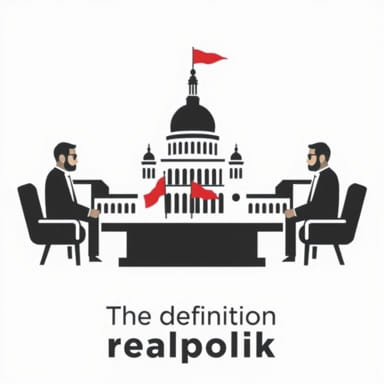
Realpolitik is a term that often emerges in discussions of international relations, diplomacy, and statecraft. It refers to a system of politics or principles based on practical and material factors rather than ethical or ideological considerations. Governments using realpolitik prioritize power, national interest, and pragmatic strategies to achieve their objectives. This approach can be seen in decisions that may appear ruthless or morally ambiguous, but which are made to secure political stability or strategic advantage. Realpolitik has shaped the actions of powerful leaders throughout history and continues to influence global politics today.
Understanding the Meaning of Realpolitik
The word realpolitik originates from German, combining ‘real’ (meaning realistic or practical) and ‘politik’ (politics). It was first used in the mid-19th century, particularly in the writings of German publicist Ludwig von Rochau. His concept emphasized the use of practical, rational decision-making in the realm of political affairs, especially when idealistic or moral arguments were seen as ineffective.
Realpolitik is often contrasted with idealism in politics. While idealism emphasizes moral values, human rights, and global cooperation, realpolitik focuses on interests, survival, and balance of power. It is about making decisions based on the existing reality, even if those decisions challenge ethical norms or public sentiment.
Key Characteristics of Realpolitik
- Pragmatism: Policies are formed based on what works in practice, not necessarily what is considered morally right or ideologically sound.
- Power-centric: Political strength, military might, and economic control are central to achieving and maintaining influence.
- National Interest: The primary concern is what benefits the nation, regardless of how those benefits are achieved.
- Strategic Alliances: Governments may partner with unlikely allies or support conflicting ideologies if it serves their interests.
- Flexibility: Realpolitik involves adapting strategies as conditions change, often abandoning previous commitments or stances.
Historical Examples of Realpolitik
Otto von Bismarck’s Diplomacy
One of the most famous practitioners of realpolitik was Otto von Bismarck, the 19th-century German statesman who unified Germany. Bismarck believed in using calculated power plays, manipulation, and alliances to achieve his goals. He balanced European powers through strategic treaties and wars, focusing entirely on strengthening the position of Prussia and, later, the German Empire. His actions often ignored ideological or humanitarian concerns in favor of long-term political gains.
The Cold War Era
During the Cold War, both the United States and the Soviet Union employed realpolitik. A key example is the U.S. support of authoritarian regimes that were anti-communist, even if those regimes violated human rights. The Nixon administration, guided by National Security Advisor Henry Kissinger, engaged in realpolitik by opening diplomatic relations with China despite ideological differences, simply to counterbalance Soviet influence.
Modern Instances
In the 21st century, realpolitik continues to shape global diplomacy. Countries form temporary alliances, sign controversial trade deals, or take military actions that prioritize national interest over international approval. For instance, energy partnerships between democracies and oil-rich autocracies often reflect realpolitik principles. These partnerships may overlook internal repression in favor of economic or geopolitical stability.
Realpolitik in Domestic Politics
While realpolitik is often associated with foreign affairs, it also appears in domestic governance. Politicians may compromise core beliefs to pass legislation, win elections, or maintain power. These compromises are typically framed as necessary steps to achieve a larger goal, even if they conflict with earlier promises or values.
For example, political leaders may form coalitions with rival parties or support unpopular policies if those actions secure voter support or legislative success. Such tactics, though pragmatic, often spark debate among the public and media about the ethics of political decision-making.
Criticism and Ethical Concerns
Realpolitik is frequently criticized for its apparent disregard for ethics, morality, and human rights. Opponents argue that this approach fosters cynicism, undermines democratic principles, and enables authoritarian regimes. Critics also warn that short-term gains achieved through realpolitik may lead to long-term instability or loss of public trust.
However, defenders of realpolitik argue that it provides a realistic framework for navigating complex political landscapes. They maintain that in a world governed by power and competition, idealism alone is insufficient. From this perspective, the pursuit of national interest, when managed carefully, ensures security and prosperity.
Balancing Realpolitik with Ethical Leadership
Some political theorists and leaders suggest that realpolitik and ethical governance are not mutually exclusive. Strategic decisions can be guided by both pragmatism and a moral compass. For example, promoting peace, economic development, and human rights can align with national interests under the right circumstances.
The challenge lies in recognizing when ethical compromises are justified and when they cross the line into opportunism or exploitation. Thoughtful leadership requires understanding the cost of realpolitik decisions not only in political terms but also in human consequences.
Realpolitik and Global Power Dynamics
In today’s multipolar world, realpolitik plays a vital role in how nations compete and cooperate. Countries like China, Russia, the United States, and India use strategic planning and calculated moves to advance their interests on the global stage. From cybersecurity and trade wars to military deployments and diplomatic negotiations, modern international relations are often shaped more by power dynamics than shared values.
International organizations, such as the United Nations, frequently struggle to enforce global norms when powerful nations act according to realpolitik. This dynamic reflects the tension between collective responsibility and sovereign decision-making, a core dilemma in global governance.
Realpolitik represents a pragmatic, interest-driven approach to politics. It focuses on what is achievable rather than what is ideal. While it often leads to controversial decisions, it remains a significant force in shaping national and international policies. Understanding realpolitik allows observers and citizens to critically assess political actions not just for what leaders say, but for what they do to maintain power and pursue their agendas. As the world grows increasingly interconnected and competitive, the principles of realpolitik will continue to influence how countries manage their ambitions and relationships.