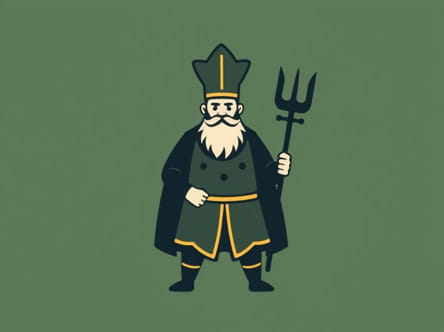
In the heart of Flanders during the early stages of World War I, one man’s courage and leadership came to symbolize the resilience of a people caught in the midst of destruction. The Burgomaster of Furnes, a title held by the mayor of the small Belgian town of Veurne (known in French as Furnes), rose to prominence as an emblem of steadfast civic duty. While bombs fell and enemy forces encroached, his determination to protect and maintain order within the town inspired many. Understanding his role in history sheds light on both the local impact of global conflict and the power of individual leadership in times of crisis.
Historical Background of Furnes
Furnes, located in West Flanders near the French border, held strategic importance during World War I. It served as the administrative center of the Belgian military operations in the area after the German invasion. The region was dangerously close to the front lines during the First Battle of Ypres and remained a crucial hub for military and civilian activity throughout the war.
During the early 20th century, Furnes was a modest town with medieval architecture, narrow streets, and a tightly-knit community. The arrival of war transformed it overnight into a base of operations for the Belgian army, a refugee shelter, and a place of relative sanctuary in an otherwise chaotic landscape.
The Role of the Burgomaster
The Burgomaster, or mayor, was not merely a political figure but a vital link between the local population, the military, and the central government. His role became exponentially more difficult as war disrupted the normal functions of the town. The Burgomaster of Furnes had to navigate challenges such as food shortages, the influx of wounded soldiers, destroyed infrastructure, and constant threats from German artillery.
Maintaining law and order was a primary concern. With many able-bodied men away at the front, the mayor worked with local police and volunteers to prevent looting and civil unrest. In collaboration with medical staff, clergy, and aid workers, he also ensured that the town’s hospitals and shelters remained operational despite repeated bombardments.
Leadership During Wartime
The Burgomaster’s leadership was marked by a combination of administrative skill, moral courage, and empathy. While not a soldier himself, he stood shoulder to shoulder with those who defended the town. Even as the war raged, he kept up civic functions organizing ration distributions, managing records, and presiding over town meetings.
His office, like many public buildings in Furnes, suffered damage during bombings. Yet he refused to evacuate, seeing it as his duty to remain with the people. His presence reassured residents, many of whom had lost homes and family members. Under his guidance, Furnes maintained a semblance of order and dignity that was rare in war-torn zones.
The Symbol of Resistance
Beyond practical governance, the Burgomaster became a symbol of resistance. His unwavering commitment to the town’s wellbeing inspired both civilians and soldiers. His image was sometimes included in wartime propaganda as an example of Belgian fortitude. Reports of his work spread among Allied forces, reinforcing the narrative that Belgium, though invaded, was unbroken in spirit.
Several personal accounts from nurses, officers, and war correspondents mention the mayor with admiration. His ability to provide calm and structure in the midst of trauma reflected the broader struggle of Belgian towns to hold onto identity and humanity amid war.
The Cultural Legacy of the Burgomaster of Furnes
In literature and art, the figure of the Burgomaster of Furnes became a recurring motif. His character represented more than just a man it embodied duty, perseverance, and the enduring strength of local governance in the face of global disaster.
While many exact details about the historical Burgomaster may be limited, his legacy endures in the collective memory of the region. Today, visitors to Veurne can see remnants of the period, including buildings that served as wartime headquarters. Local museums often highlight the town’s role in the war and the key individuals who played a part in its survival.
Lessons from History
The story of the Burgomaster of Furnes is a reminder that leadership does not always come from generals or kings. Sometimes, it is the quiet strength of civil servants that makes the greatest difference. As mayor, he faced challenges not taught in any manual yet through adaptability and resilience, he met them with honor.
His example offers lessons for today’s leaders in times of crisis whether during natural disasters, pandemics, or conflict. Integrity, commitment to community, and ethical governance are as vital now as they were during the Great War.
The Burgomaster of Furnes remains an important historical figure not only within Belgian history but in the broader narrative of World War I. His courage, service, and leadership during one of Europe’s darkest periods illuminate the vital role local authorities play in upholding civilization when everything else seems to be falling apart.
Though his name may not be widely remembered, his actions had lasting impact. The resilience of Furnes and the survival of its community speak volumes about his contribution. As we reflect on the unsung heroes of war, the Burgomaster of Furnes stands as a testament to the enduring strength of leadership rooted in compassion and responsibility.