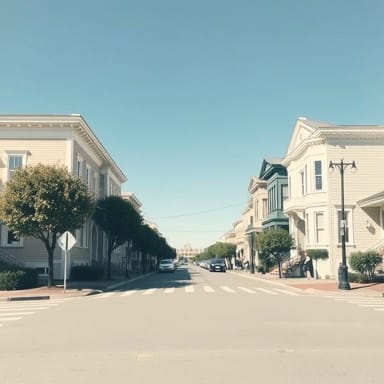
Located in the heart of New Orleans, Terpsichore Street offers a unique glimpse into the city’s architectural charm, cultural history, and lively atmosphere. While it may not be as famous as Bourbon Street or St. Charles Avenue, Terpsichore Street holds its own with quiet appeal, historic homes, and access to some of the most beloved neighborhoods in the Crescent City. For locals, it’s part of daily life; for visitors, it’s a pathway to discovering the lesser-known side of New Orleans, where tradition, community, and Southern character come together beautifully.
Location and Geography
Terpsichore Street stretches from the Lower Garden District across into Central City, creating a link between some of New Orleans’ most culturally rich neighborhoods. The street runs in an east-west direction and parallels several of the city’s iconic thoroughfares. It intersects with key streets such as Magazine Street, known for its boutique shopping and dining, and St. Charles Avenue, famous for its streetcar line and oak-lined vistas.
Neighborhoods Along Terpsichore Street:
- Lower Garden District
- Central City
- Warehouse District (nearby)
The street’s location places it within walking distance of many local attractions while maintaining a residential and relaxed feel. Its proximity to downtown makes it ideal for those who want to explore New Orleans at their own pace.
The Origin of the Name Terpsichore
Terpsichore is one of the nine Muses in Greek mythology, specifically the muse of dance and chorus. Her name, pronounced TURP-sih-kor-ee, reflects New Orleans’ deep connection to music, rhythm, and celebration. Naming streets after mythological figures is a tradition in New Orleans, and Terpsichore is part of a group of similarly inspired street names found throughout the city.
This cultural reference adds a poetic touch to the street, reminding residents and visitors of the artistic spirit that flows through every part of New Orleans. In a city where parades and music are part of everyday life, a street named after the muse of dance feels especially fitting.
Architecture and Street Design
One of the most striking features of Terpsichore Street is its variety of architectural styles. Like much of the Lower Garden District, the street is home to classic New Orleans cottages, shotgun houses, Creole townhomes, and Victorian-era buildings. These residences often feature wrought-iron balconies, pastel facades, and lush gardens framed by historic fences.
Architectural Highlights:
- Greek Revival columns and cornices
- Creole cottages with shutters and galleries
- Double shotgun houses with symmetrical front porches
- Brick-paved sidewalks and mature trees lining the street
The visual character of Terpsichore Street blends old-world charm with modern touches. Many homes have been restored or updated, preserving their historical significance while adapting to contemporary living standards.
Local Life and Culture
While not as touristy as other parts of New Orleans, Terpsichore Street offers an authentic experience of local life. It is a quiet street where neighbors know each other, children play outside, and residents take pride in their surroundings. Small corner stores, cozy cafés, and local art galleries nearby provide a sense of community and connection.
Nearby Points of Interest:
- Magazine Street shops and restaurants
- St. Charles Avenue streetcar line
- Coliseum Square Park
- National WWII Museum (within walking distance)
- Local bars and jazz spots along nearby streets
Many musicians, artists, and creatives call this part of New Orleans home. The spirit of Terpsichore dance and music can still be felt in the rhythms of daily life, from impromptu front porch jam sessions to neighborhood second-line parades.
Transportation and Accessibility
Terpsichore Street is easily accessible by car, bicycle, or public transit. It is just a short walk to the St. Charles Avenue streetcar, which connects uptown with downtown and provides a scenic ride through the city. Several bus routes also pass through or near the area, offering affordable transportation for residents and visitors.
Getting Around:
- Streetcar access via St. Charles Avenue
- Bicycle-friendly roads with nearby bike lanes
- Short rideshare or taxi trip to the French Quarter
- Walkable distance to grocery stores, coffee shops, and dining spots
Despite its central location, Terpsichore Street maintains a slower pace and lighter traffic, making it attractive for both pedestrians and cyclists. It’s a great base for exploring the rest of New Orleans without the noise and bustle of busier areas.
Real Estate and Living on Terpsichore Street
Over the years, Terpsichore Street has seen a rise in real estate interest due to its location, historic charm, and evolving neighborhood appeal. While some homes have been passed down through generations, others have been purchased and renovated by newcomers seeking the balance of history and modern convenience.
Residential Appeal:
- Mixture of renters and homeowners
- Growing appeal to young professionals and creatives
- Short-term rental options in updated historic homes
- Increasing property values with neighborhood revitalization
Living on Terpsichore Street offers residents access to the city’s vibrant culture while enjoying the benefits of a quieter, more residential environment. It’s ideal for those who value architecture, history, and community-oriented living.
Events and Community Engagement
While Terpsichore Street itself doesn’t host major events, its location places it close to several annual festivals, parades, and community happenings. During Mardi Gras season, many streets nearby become parade routes filled with music, floats, and costumes. Locals often gather on front porches to celebrate and welcome the festivities.
Nearby Events:
- Mardi Gras parades on St. Charles Avenue
- Garden District holiday tours
- Jazz Fest and French Quarter Fest within easy reach
- Local markets and street fairs on Magazine Street
Terpsichore Street plays a quieter but meaningful role during these celebrations, offering a peaceful retreat for those who want to be near the action without being overwhelmed by crowds.
Terpsichore Street in New Orleans may not make the cover of travel magazines, but it offers something arguably more valuable: authenticity. It is a street where history lives in the bricks and balconies, where music lingers in the air, and where the pace of life invites you to slow down and take it all in. From its mythological name to its real-world charm, Terpsichore Street reflects the spirit of New Orleans in subtle yet powerful ways. For travelers looking to explore beyond the tourist routes or for locals who want to celebrate the soul of their city, this quiet street holds stories waiting to be discovered.