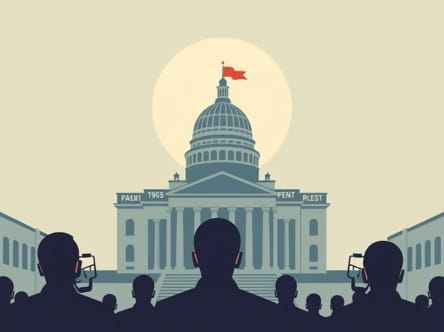
In the Philippines, the responsibility of addressing and punishing counterfeiters lies primarily with Congress through its legislative powers. The issue of counterfeiting poses serious threats to the economy, public safety, and national security. From fake currency and forged documents to counterfeit products and unauthorized reproductions of branded goods, the scope of counterfeiting is wide and complex. The Tagalog Congress, officially referred to as the Philippine Congress, plays a key role in setting the laws that define, regulate, and penalize such criminal behavior. Through comprehensive legislation and enforcement oversight, Congress ensures that the country upholds integrity in commerce, protects intellectual property, and secures the legal system against fraudulent activities.
The Role of the Philippine Congress
The Philippine Congress consists of two chambers the Senate and the House of Representatives. These bodies are responsible for drafting and enacting laws that protect the nation from economic and criminal threats. One such area of focus is the regulation and penalization of counterfeiting activities. Through the passage of relevant statutes, Congress defines what constitutes counterfeiting, outlines procedures for investigation and enforcement, and prescribes penalties for violators.
For instance, the Revised Penal Code of the Philippines contains several provisions related to counterfeiting, especially concerning forged currency and official documents. Additionally, Congress enacts special laws such as the Intellectual Property Code of the Philippines (Republic Act No. 8293), which aims to safeguard trademarks, patents, and copyrights from unauthorized duplication or fraudulent use.
Counterfeit Currency and Documents
One of the most serious forms of counterfeiting addressed by Congress is the production or distribution of fake currency. Under Philippine law, any individual found guilty of forging or knowingly using counterfeit money faces severe penalties. The Bangko Sentral ng Pilipinas (BSP) works closely with Congress and law enforcement to ensure that currency remains secure and that any breach is swiftly penalized.
In addition to counterfeit money, forged official documents such as passports, driver’s licenses, and educational certificates are also covered under laws passed by Congress. These crimes are typically prosecuted under falsification laws within the Revised Penal Code and may involve imprisonment, fines, or both.
Legislation Against Counterfeit Goods
Aside from documents and currency, counterfeit consumer goods represent a major concern for the Philippine government. Fake products ranging from cosmetics and medicines to electronics and clothing not only damage legitimate businesses but also pose serious health and safety risks to consumers. Congress addresses this issue through various laws and oversight mechanisms designed to protect both consumers and intellectual property rights holders.
Key Laws Enforced
- Republic Act No. 8293 (Intellectual Property Code): This law protects creators, inventors, and brand owners from intellectual property theft, including counterfeiting and piracy.
- Republic Act No. 8203 (Special Law on Counterfeit Drugs): This law focuses specifically on fake medicines, aiming to prevent their manufacture and distribution in the market.
- Consumer Act of the Philippines (Republic Act No. 7394): This law aims to protect the interests of the buying public from hazardous or substandard counterfeit goods.
These laws empower regulatory agencies like the Intellectual Property Office of the Philippines (IPOPHL) and the Food and Drug Administration (FDA) to act against counterfeiters, but the power to enact and amend such legislation remains firmly within the domain of Congress.
Oversight and Enforcement Support
Congress not only passes laws but also exercises oversight on how those laws are implemented. Through congressional hearings and committee investigations, legislators can summon government officials to report on anti-counterfeiting efforts, review performance metrics, and suggest improvements in policy enforcement. This allows for a dynamic feedback loop between legislation and implementation.
In some instances, Congress allocates funding or creates new bodies to strengthen anti-counterfeit enforcement. For example, if a rise in counterfeit medicines threatens public health, Congress may propose budget increases for the FDA or even amend laws to impose harsher penalties. Lawmakers may also collaborate with stakeholders such as private companies, civil society groups, and international organizations to ensure effective countermeasures are in place.
Working with Law Enforcement and Customs
The Philippine National Police (PNP), National Bureau of Investigation (NBI), and Bureau of Customs (BOC) are key partners in the fight against counterfeiting. These agencies are tasked with implementing the laws that Congress enacts. The BOC, for example, plays a critical role in detecting and seizing counterfeit goods entering the country through ports and airports. Congress may summon these agencies to report on seizures, arrests, and prosecutions, ensuring transparency and accountability in enforcement operations.
Challenges in Combating Counterfeiting
Despite the robust legal framework provided by Congress, several challenges remain. Counterfeiters constantly evolve their methods, exploiting legal loopholes or weak enforcement. Moreover, some fake goods are difficult to distinguish from genuine products, making detection and prosecution more complex. In rural areas or informal markets, awareness about counterfeit risks is often low, and enforcement resources may be limited.
Corruption and bureaucratic inefficiencies can also undermine efforts to penalize counterfeiters. For this reason, Congress continues to evaluate existing laws and push for reforms that address gaps in implementation. Strengthening whistleblower protections, enhancing investigative technology, and promoting public awareness campaigns are among the solutions often supported by lawmakers.
International Collaboration and Treaties
As counterfeiting is a global issue, Congress also plays a role in ratifying international agreements related to intellectual property and trade. For example, the Philippines is a signatory to the Agreement on Trade-Related Aspects of Intellectual Property Rights (TRIPS), which sets minimum standards for IP protection worldwide. By aligning domestic laws with global standards, Congress helps ensure that Filipino industries are not disadvantaged in the international market and that foreign investors view the country as a safe business destination.
The Importance of Public Awareness
While Congress plays a legislative and supervisory role, the success of anti-counterfeiting measures also depends on public cooperation. Laws alone cannot eliminate counterfeit activities unless people are aware of their risks and how to report them. Congress supports public information campaigns to educate citizens about identifying fake goods, verifying the authenticity of documents, and understanding consumer rights.
These campaigns are often coordinated with the Department of Trade and Industry (DTI), IPOPHL, and local government units. In some cases, lawmakers use their platforms to raise awareness in their districts, organizing town hall meetings, seminars, or social media drives focused on anti-counterfeit education.
The Philippine Congress holds a central role in the country’s effort to punish counterfeiters. Through comprehensive legislation, oversight mechanisms, and collaboration with enforcement agencies, it builds the legal backbone necessary to deter and penalize counterfeit activities. Despite the challenges involved, Congress remains committed to evolving its approach in line with technological developments and international standards. As counterfeiters become more sophisticated, the nation’s lawmakers must remain vigilant, proactive, and responsive to ensure that the Philippines maintains a safe, fair, and honest commercial and legal environment.
#kebawah#