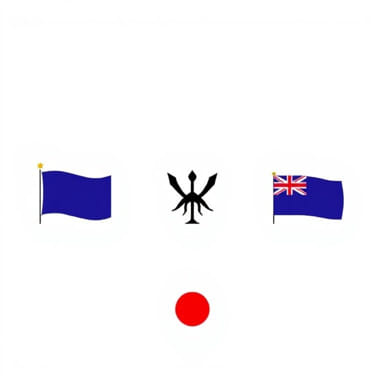
Anzac Day, observed annually on April 25th, holds a special place in the hearts of Australians and New Zealanders. It commemorates the landing of the Australian and New Zealand Army Corps (ANZAC) at Gallipoli in 1915, during World War I. While the Gallipoli campaign ended in a stalemate, the bravery, endurance, and sacrifice of the soldiers left a lasting legacy. Over time, Anzac Day has grown beyond its original historical context to honor all military personnel who have served and died in wars, conflicts, and peacekeeping missions. The day is rich in symbolism, and several meaningful objects and customs play a central role in expressing national identity, remembrance, and unity.
The Red Poppy
One of the most recognized symbols associated with Anzac Day is the red poppy. The red poppy symbolizes remembrance and has its origins in the fields of Flanders, where the flowers bloomed among the graves of fallen soldiers during World War I. The poppy’s strong association with sacrifice and war led to its adoption across many nations as a memorial symbol. In Australia and New Zealand, people wear poppies on Anzac Day and Remembrance Day to honor the lives lost in service.
Use of Poppies
- Worn on clothing during Anzac Day services
- Laid at war memorials and monuments
- Displayed in schools and public buildings to promote remembrance
The red poppy serves as a silent but powerful reminder of the cost of war and the importance of peace. It bridges generations and encourages ongoing reflection on the consequences of global conflict.
The Dawn Service
The Dawn Service is a deeply symbolic and solemn tradition observed on Anzac Day. It mirrors the time of the original landing at Gallipoli and provides a space for quiet contemplation and respect. The darkness gradually gives way to light, symbolizing the transition from despair to hope.
Elements of the Dawn Service
- Commemorative speeches and readings
- Prayers and hymns
- The playing of the Last Post
- A minute of silence
- The Reveille to end the silence
Attending a Dawn Service is a powerful experience. It connects communities in shared mourning and gratitude, reinforcing the values of courage, mateship, and sacrifice associated with the ANZAC legacy.
The Anzac Biscuit
Anzac biscuits are a culinary symbol with a historical link to World War I. These biscuits were made by the wives and families of soldiers and sent overseas because they could withstand long transport without spoiling. Made from rolled oats, golden syrup, sugar, coconut, and flour, Anzac biscuits continue to be baked and enjoyed during Anzac Day as a tangible connection to the past.
The preparation and sharing of Anzac biscuits evoke a sense of heritage and togetherness. Though simple in ingredients, they are rich in meaning and tradition. They serve as an edible tribute to the resilience and resourcefulness of those who supported the war effort from home.
The Slouch Hat and Uniform
The slouch hat, with its distinctive wide brim and side turned up, is a well-known part of the Australian military uniform and often worn during Anzac Day parades. It is typically adorned with the Rising Sun badge, symbolizing duty and service.
Uniforms in general are a strong symbol on Anzac Day. Veterans and active-duty personnel wear their uniforms with pride as a way to honor their comrades and remember shared experiences. Even those no longer serving may wear their medals pinned to the right side of their chest, a gesture of remembrance for family members who served.
The Rising Sun Badge
The Rising Sun badge is a key emblem of the Australian Army and frequently seen during Anzac Day events. Featuring a semi-circle of sun rays, this badge represents the glory and sacrifice of the soldiers. It has evolved in design over time, but its meaning remains constant: a tribute to bravery and commitment to national service.
The badge is often worn on uniforms and is also a popular image in commemorative materials and displays. It signifies unity, tradition, and the enduring legacy of Australian soldiers across generations.
The Ode of Remembrance
The Ode of Remembrance is a verse taken from Laurence Binyon’s poem For the Fallen. It is traditionally recited at Anzac Day ceremonies and holds deep emotional resonance:
They shall grow not old, as we that are left grow old;
Age shall not weary them, nor the years condemn.
At the going down of the sun and in the morning
We will remember them.
After the recitation, attendees often repeat in unison, We will remember them. This ritual reinforces the collective memory and acknowledgment of those who gave their lives.
The Minute of Silence
Perhaps the most universally respected symbol of remembrance on Anzac Day is the minute of silence. This brief pause allows individuals to reflect, honor the dead, and appreciate the freedoms that have been preserved through sacrifice. It’s a sacred moment that transcends cultural and national boundaries.
Whether observed at a public ceremony, in schools, or in private homes, the silence is a deeply personal yet communal act. It affirms the importance of memory and the shared humanity of honoring the fallen.
Wreaths and Laurel Leaves
Floral wreaths and laurel leaves are often placed at memorials and gravesites on Anzac Day. These offerings date back to ancient traditions of honoring heroes and symbolize eternal life and victory over death. The wreath-laying ceremony is usually part of formal Anzac services and is performed by veterans, dignitaries, schoolchildren, and community representatives.
Each wreath is a visual tribute that reflects respect, sorrow, and national gratitude. The act of laying a wreath is both ceremonial and personal, reinforcing the importance of remembrance across all walks of life.
The National Flag and the New Zealand Silver Fern
Flags play a central symbolic role on Anzac Day. The national flags of Australia and New Zealand are displayed prominently during ceremonies and parades. Flag raising and lowering, especially at half-mast, express mourning and honor.
In New Zealand, the silver fern is also a powerful national symbol and is often incorporated into Anzac Day imagery and tributes. It represents strength, resilience, and unity qualities strongly associated with the ANZAC spirit.
The symbols of Anzac Day are far more than mere traditions or decorations. Each one, from the red poppy to the Anzac biscuit, from the Dawn Service to the national flag, carries deep historical and emotional meaning. Together, they form a rich tapestry of remembrance that honors the courage and sacrifice of those who served. These symbols help ensure that future generations continue to understand the value of peace, the reality of war, and the enduring spirit of the ANZAC legacy. By engaging with these symbols, individuals and communities reaffirm their commitment to memory, reflection, and national unity.