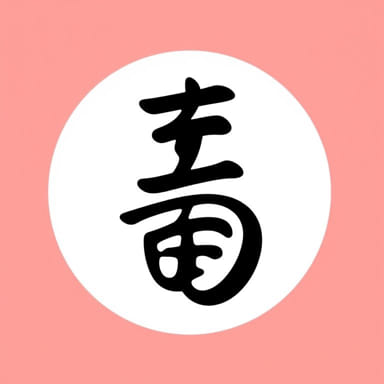
Across many cultures and traditions, the concept of auspiciousness and good fortune has been represented through a variety of powerful symbols. These symbols are more than decorative; they are deeply rooted in belief systems, rituals, and worldviews. People turn to them in times of new beginnings, to attract prosperity, ward off negativity, and invite harmony into their lives. These symbols may appear in architecture, jewelry, religious spaces, or even everyday objects, each carrying layers of spiritual meaning and historical significance. In 2024, the global interest in cultural traditions and symbolic heritage continues to grow, with many seeking symbols of auspiciousness and good fortune to guide and enrich their personal and communal experiences.
Understanding the Power of Symbols
What Makes a Symbol Auspicious?
A symbol is considered auspicious when it is believed to attract positive energy or blessings. These symbols often embody qualities such as prosperity, protection, health, fertility, or spiritual enlightenment. Whether derived from religious texts, folklore, or nature, these signs serve as visual prayers and affirmations of hope. Their effectiveness is not in their physical form alone, but in the shared cultural belief that surrounds them.
Global Belief Systems and Common Threads
While each culture has its own unique set of symbols, there are common themes that connect them. From the horseshoe in Western traditions to the elephant in Hindu culture, symbols often reflect the values and aspirations of a community. Many are linked to the natural world, celestial cycles, and moral virtues, showing how deeply human societies are connected to their environments and to each other through symbolic language.
Symbols of Good Fortune in Eastern Cultures
Chinese Symbols
- Fu Character: The Chinese character ‘Fu’ (ç¦) represents luck and is often displayed upside-down on doors during Lunar New Year, symbolizing that fortune has arrived.
- Red Color: Red is a highly auspicious color in Chinese culture, representing prosperity, happiness, and protection from evil spirits.
- Golden Fish: Fish symbolize abundance due to the word yu sounding like surplus in Mandarin. Images of fish are common in home decor.
Hindu and Buddhist Symbols
- Swastika: In its original form, the swastika is a sacred Hindu symbol denoting good luck, power, and well-being. It is often used in rituals and religious decorations.
- Lotus Flower: Revered in both Hinduism and Buddhism, the lotus represents purity, rebirth, and spiritual enlightenment. It is often associated with deities and sacred texts.
- Ganesha: The elephant-headed god is a remover of obstacles and a bringer of good fortune. His image is commonly placed at entrances and during business openings.
Western Symbols of Auspiciousness
European Traditions
- Horseshoe: A classic symbol of luck, especially when hung with the ends pointing upward to hold in good fortune. It is often placed above doors.
- Four-Leaf Clover: Rare and considered a sign of luck, each leaf is said to represent faith, hope, love, and luck.
- Wishing Well: Found in European folklore, tossing a coin into a well while making a wish was believed to connect one with divine favor.
Christian and Judaic Symbols
- Cross: While primarily a symbol of faith, the Christian cross is also associated with divine protection and hope.
- Hamsa Hand: Found in Middle Eastern and North African cultures, including Judaism, the Hamsa symbolizes the hand of God protecting against the evil eye and bringing blessings.
Natural Symbols and Universal Elements
Animals as Omens of Luck
Throughout history, animals have been seen as omens and spirit guides. In Japan, the beckoning cat or Maneki Neko is believed to bring customers and good fortune to businesses. In Native American cultures, the eagle is revered for vision and strength, while in Celtic lore, the stag symbolizes leadership and protection.
Numbers and Celestial Signs
Numbers also carry symbolic weight. In Chinese culture, the number 8 is considered extremely lucky due to its phonetic similarity to the word for wealth. Similarly, star patterns, such as the North Star, are historically seen as guides toward destiny and safety. Astrology, the study of celestial alignment, is a widespread practice for predicting fortunate times and making decisions.
Modern Uses of Auspicious Symbols
Home and Office Décor
In today’s world, symbols of good fortune are widely used in interior design and workplace environments. Items like dreamcatchers, crystals, or religious icons are placed to bring harmony and positivity. Feng Shui practices, which emphasize spatial arrangement for energy flow, often incorporate symbols like the laughing Buddha or Chinese coins to improve well-being and fortune.
Fashion and Personal Accessories
Many wear symbols of auspiciousness as jewelry, amulets, or tattoos. Whether it’s a charm bracelet featuring the evil eye, or a pendant bearing a Celtic knot, these accessories serve as personal reminders of protection and hope. Their popularity has grown among people seeking to combine fashion with spirituality or intention.
Celebrations and Gift Giving
Festivals and life events are ideal occasions for the exchange of lucky symbols. Red envelopes filled with money during Lunar New Year, or Ganesha idols given at weddings, exemplify how symbols are used to convey blessings. These traditions continue to thrive in both their original cultural contexts and in globalized settings.
Choosing Symbols With Intention
Cultural Respect and Awareness
As symbols of good fortune become more global, it is important to approach them with respect. Understanding the cultural origins and meanings behind these icons prevents appropriation and deepens appreciation. Choosing a symbol that aligns with personal values and background can make its presence more meaningful and effective.
Personal Connection and Meaning
While cultural significance provides context, the true power of an auspicious symbol lies in the personal connection it fosters. Some may feel drawn to a specific symbol based on life experiences or spiritual journeys. Others may choose one based on its aesthetic or emotional resonance. Regardless of reason, these symbols act as focal points for intention, gratitude, and hope.
Symbols of auspiciousness and good fortune play a timeless role in human life. From ancient temples to modern city apartments, they help people navigate uncertainty with hope and confidence. Whether drawn from Eastern spirituality, Western folklore, or natural elements, these symbols continue to offer comfort, direction, and a sense of connection to something greater than ourselves. In a world that often feels unpredictable, they remind us that meaning can be found in the simplest shapes and traditions and that with belief and intention, fortune may indeed favor the mindful.