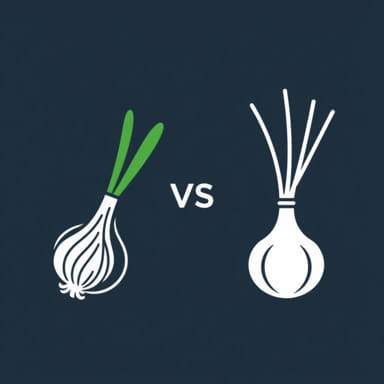
In everyday cooking, the terms ‘spring onion’ and ‘scallion’ are often used interchangeably, which leads to confusion among home cooks and food enthusiasts. Despite their similarities, these two alliums are not always identical. They come from the same family as garlic, leeks, and chives, but they can differ slightly in appearance, flavor, and usage depending on region and maturity. Understanding the subtle differences between scallions and spring onions can help elevate your dishes and give you more control over flavors and textures in your recipes.
What Are Scallions?
Appearance and Growth
Scallions are young onions harvested before they fully mature. They have a long, slender green stalk and a white base that does not form a large bulb. In most cases, the white part of a scallion is the undeveloped bulb of a standard onion plant.
Flavor Profile
Scallions have a mild onion flavor that makes them ideal for raw preparations. They are less pungent than mature onions and offer a crisp bite, especially in the white part, while the green part has a grassy, herbal note.
Culinary Uses
- Chopped raw in salads or over soups
- Used as a garnish for stir-fries, fried rice, or noodle dishes
- Blended into dressings, sauces, and marinades
- Grilled whole for smoky flavor
What Are Spring Onions?
Appearance and Growth
Spring onions are slightly older than scallions and have begun to form a small, round bulb at their base. This bulb is more developed and can resemble a miniature regular onion. The size and shape of the bulb can vary depending on how long the spring onion has been left to grow.
Flavor Profile
Spring onions have a stronger, more defined onion taste than scallions, particularly in the bulb portion. The green stalks are still usable and share a similar mild flavor to scallions, but the bulb carries more intensity and depth.
Culinary Uses
- Roasted or grilled as a side vegetable
- Used in soups, stews, or sautés where a more pronounced onion flavor is needed
- Caramelized for a sweet, savory element in tarts or savory pies
- Pickled for tangy condiments
Key Differences Between Spring Onion and Scallion
Visual Differences
The most obvious difference lies in the base of the vegetable. Scallions have a straight, white stem with no significant swelling, whereas spring onions have a noticeable bulb at the base. The green tops are quite similar, though spring onion greens may be slightly firmer.
Flavor Intensity
If you’re seeking a subtler flavor, scallions are the way to go. For more onion punch, especially when cooking, spring onions are a better choice due to their mature bulb.
Cooking Methods
- Scallions: Best used raw or lightly cooked. Ideal for dishes needing mild onion notes.
- Spring Onions: More versatile in cooking. Can be roasted, grilled, or sautéed, especially when a deeper flavor is desired.
Availability and Regional Terminology
In the United States, ‘scallion’ is the common term used, while in the UK, the same vegetable might be called a ‘spring onion’ even when it’s just a scallion. This overlap in naming contributes to confusion. True spring onions with a bulb are more likely to be found in farmer’s markets or during specific growing seasons.
Are They Interchangeable in Recipes?
In many recipes, scallions and spring onions can be substituted for one another, especially if the bulb is small. However, consider how much onion flavor you want to introduce into the dish. Using spring onions in place of scallions might result in a stronger taste, especially if the recipe calls for raw usage.
Best Substitution Tips
- If using spring onions instead of scallions, reduce quantity slightly to avoid overpowering other ingredients.
- Remove or minimize use of the bulb in spring onions if substituting in delicate dishes like sushi or salads.
- Use scallions as a garnish and spring onions in cooked preparations when swapping.
Nutritional Benefits
Both scallions and spring onions are low in calories and rich in nutrients. They provide a good source of vitamin K, vitamin C, and fiber. Their high antioxidant content makes them beneficial for reducing inflammation and supporting immune health.
Health Perks of Adding Green Onions to Your Diet
- Boosts digestion and gut health
- Supports heart health with sulfur compounds
- Contains antibacterial properties
- Low calorie and adds volume to meals
Storing and Handling Tips
How to Store Scallions
Wrap them in a damp paper towel and place in a resealable bag in the vegetable drawer. They can also be stored upright in a jar with water and covered loosely with a plastic bag. Use within a week for best freshness.
How to Store Spring Onions
Store similarly to scallions, but since the bulb is more like a regular onion, you can also wrap just the greens and keep the bulb dry to avoid rot. Spring onions tend to last slightly longer due to their mature structure.
Creative Recipes to Try
Scallion Pancakes
A crispy Chinese-inspired flatbread made from flour, water, and finely chopped scallions. It’s pan-fried until golden and often served with a soy-based dipping sauce.
Grilled Spring Onions
Brush whole spring onions with olive oil and grill until charred. Serve with sea salt and a squeeze of lemon for a simple appetizer or side.
Scallion Cream Cheese Spread
Mix softened cream cheese with chopped scallions, garlic powder, and a pinch of salt. Great as a spread for bagels or crackers.
Spring Onion Soup
Blend sautéed spring onions with potatoes, vegetable stock, and cream for a smooth, flavorful soup. Garnish with fresh herbs or crispy bacon.
While spring onions and scallions may look similar and belong to the same family, they are not entirely the same. Their differences in appearance, flavor, and culinary use are subtle but important depending on what you’re preparing. Understanding when and how to use each can add a refined touch to your meals and make your cooking more intentional. Whether you’re garnishing a salad, grilling vegetables, or making a savory tart, choosing the right green onion variety enhances both flavor and presentation.