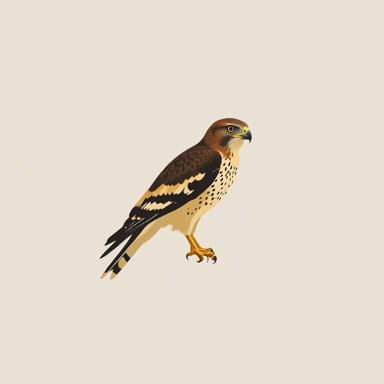
As the seasons shift across Maryland’s rich landscapes from the wooded hills of the Piedmont to the tidal forests of the Chesapeake Bay the sharp-shinned hawk emerges as one of the most agile and captivating raptors in the region. This small but formidable bird of prey, known for its swift flight and secretive habits, plays a vital role in Maryland’s diverse ecosystems. Whether soaring through the skies during fall migration or darting between trees in dense woodland, the sharp-shinned hawk remains a symbol of wilderness and natural balance. Understanding the presence and behavior of sharp-shinned hawks in Maryland offers a deeper appreciation for this elusive hunter and its significance in the Mid-Atlantic region.
Identifying the Sharp-Shinned Hawk in Maryland
Physical Features
The sharp-shinned hawk (Accipiter striatus) is the smallest hawk species in North America, typically ranging from 9 to 13 inches in length. In Maryland, these raptors are frequently mistaken for their larger cousin, the Cooper’s hawk, due to similar appearances. However, sharp-shinned hawks have more slender bodies, squared-off tails, and smaller heads relative to body size.
Plumage and Markings
Adults feature blue-gray upperparts and rusty-barred underparts, while juveniles have brown-streaked feathers on their breast. Their intense yellow eyes and long legs also help distinguish them from other woodland raptors.
Habitat Preferences in Maryland
Forests and Woodlands
Sharp-shinned hawks favor densely wooded areas, particularly mixed hardwood and conifer forests. Maryland’s western counties, such as Garrett and Allegany, provide excellent breeding habitats due to the abundance of undisturbed forest cover. In central Maryland, they are found in hilly forests and suburban green spaces.
Urban and Suburban Adaptation
Though primarily woodland birds, sharp-shinned hawks are increasingly seen in suburban neighborhoods across Montgomery, Howard, and Anne Arundel counties. Their attraction to backyard bird feeders where small songbirds congregate has made them more visible in residential areas.
Seasonal Movements and Migration
Fall Migration in Maryland
Maryland lies along the Atlantic Flyway, a major migratory route. Each fall, sharp-shinned hawks pass through the state in significant numbers as they head to their wintering grounds in the southern U.S., Mexico, and Central America. Their migration peaks between mid-September and late October.
Best Viewing Sites
Hawk watchers in Maryland often visit well-known raptor observation points to spot sharp-shinned hawks during migration:
- Washington Monument State Parkin Boonsboro
- Rocky Gap State Parkin western Maryland
- Turkey Pointin Cecil County
These sites offer elevated views of the sky and ideal conditions for observing migrating raptors using thermals and ridge lifts.
Diet and Hunting Behavior
Primary Prey in Maryland
The sharp-shinned hawk’s diet mainly consists of small birds such as sparrows, chickadees, warblers, and finches. Maryland’s abundant bird populations, particularly during migration and winter, provide ample food sources.
Stealth and Speed
These hawks employ ambush tactics, flying low and fast through cover to surprise their prey. Their agility enables them to navigate dense forest canopies or weave between backyard trees with astonishing precision. Unlike larger soaring hawks, sharp-shinned hawks prefer to stay low and strike quickly.
Breeding and Nesting Behavior
Nesting Season
In Maryland, sharp-shinned hawks begin nesting in spring, usually from late April through June. They build nests high in conifer trees, using twigs and bark strips. The nest is well-hidden and typically placed near the trunk where multiple branches provide cover.
Parental Roles
The female lays between 3 to 5 eggs, which she incubates while the male provides food. After hatching, both parents feed the chicks, with the male continuing to hunt and the female guarding the nest. Young hawks fledge about four to five weeks after hatching.
Conservation and Legal Protection
Conservation Status
Sharp-shinned hawks are classified as a species of least concern by the IUCN, but population trends vary. In Maryland, they are considered uncommon breeders, with more individuals observed during migration than in the nesting season.
Legal Protection
All native birds of prey in Maryland are protected under the federal Migratory Bird Treaty Act. It is illegal to harm, capture, or possess a sharp-shinned hawk or its eggs without proper authorization. Conservation efforts focus on preserving forest habitats and monitoring population trends during migration.
Challenges and Threats in Maryland
Habitat Fragmentation
Development pressures in Maryland, particularly around the Baltimore-Washington corridor, have led to habitat loss and fragmentation. Sharp-shinned hawks require large tracts of mature forest for nesting, and these areas are increasingly scarce.
Window Collisions and Urban Dangers
As these hawks pursue prey into residential areas, they face risks from window collisions, vehicle strikes, and exposure to pesticides. Homeowners can help reduce these dangers by using bird-safe window treatments and avoiding toxic rodenticides.
Tips for Observing Sharp-Shinned Hawks in Maryland
Identifying in the Field
To identify a sharp-shinned hawk in Maryland, look for:
- Small hawk with short, rounded wings and long tail
- Rapid flap-flap-glide flight pattern
- Hunting behavior near bird feeders or woodland edges
Winter Encounters
Winter is an ideal time to observe sharp-shinned hawks in Maryland, especially in suburban areas where bird feeders attract them. They may perch quietly on a fence or treetop, waiting for the right moment to strike.
Role in Maryland’s Ecosystem
Predator-Prey Dynamics
Sharp-shinned hawks play a vital role in controlling populations of small birds. Though controversial when seen hunting near feeders, their presence reflects a functioning food web. Natural predation helps maintain ecological balance among songbird communities.
Indicator Species
Because they rely on healthy forest habitats and abundant prey, sharp-shinned hawks serve as indicators of environmental quality. Monitoring their numbers can offer insight into broader ecological health and biodiversity trends in Maryland.
A Secretive Hunter in the Old Line State
The sharp-shinned hawk may be elusive, but its presence across Maryland adds excitement and vitality to the state’s avian landscape. From forested ridges to suburban skies, this fast-moving raptor continues to capture the attention of birdwatchers and nature enthusiasts. By understanding its behavior, habitat needs, and seasonal patterns, residents and conservationists can ensure that the sharp-shinned hawk remains a thriving part of Maryland’s natural heritage. Whether you glimpse one at a backyard feeder or catch its silhouette soaring over the Blue Ridge, this hawk is a true testament to the beauty and complexity of Maryland’s wild places.