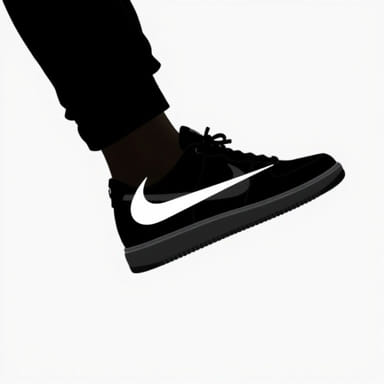
The phrase‘Se pone las Nike’may appear simple at first glance, but it carries a cultural weight that extends far beyond the literal act of putting on a pair of sneakers. In Latin American and Spanish-speaking communities, particularly among youth, this expression has evolved into a symbol of action, determination, and even rebellion. The deeper meaning of this phrase comes from its figurative usage, where it reflects someone preparing to face a challenge or stepping up to assert themselves. Understanding the nuance behind ‘Se pone las Nike’ offers insights into language, identity, and contemporary street culture.
Literal Translation and Origin
At a basic level,‘Se pone las Nike’translates to ‘He/She puts on the Nikes’ in English. The sentence is straightforward in structure, combining the reflexive verb‘ponerse’(to put on oneself) with‘las Nike’, referencing the popular brand of athletic shoes. But in real-world usage, especially in informal speech and music lyrics, this phrase carries more than just the image of someone lacing up shoes it signifies intent and readiness.
The Nike Brand as a Symbol
Nike, as a global brand, is synonymous with athletic excellence, victory, and performance. The brand’s slogan, ‘Just Do It,’ has further reinforced the association with determination and action. So when someone says ‘Se pone las Nike,’ they are metaphorically saying that the person is getting ready to take decisive action or confront something head-on. The shoes become a metaphor for empowerment, energy, and grit.
Figurative Usage in Urban and Youth Culture
Among young people in urban areas, especially those influenced by reggaetón, trap, and hip-hop culture, ‘Se pone las Nike’ often pops up in contexts where someone decides to handle business, stand up for themselves, or get into something with intensity. It suggests a mental switch a decision to stop hesitating and start moving.
Examples of Figurative Contexts
- Someone preparing for a physical confrontation: Se pone las Nike y va a buscarlo. (He puts on the Nikes and goes to confront him.)
- A person ready to hustle or get to work: Ella se pone las Nike y no para hasta lograrlo. (She puts on the Nikes and doesn’t stop until she succeeds.)
- Getting serious about life decisions: Después de todo, se puso las Nike y cambió su vida. (After everything, he put on the Nikes and changed his life.)
Cultural Resonance and Social Identity
The phrase resonates with people who admire resilience and boldness. In communities where social challenges are prevalent poverty, violence, discrimination expressions like ‘Se pone las Nike’ give a voice to those who must face adversity daily. It’s not just about bravado; it’s about survival and having the courage to move forward.
Additionally, this expression has found a place in Latin American music and online memes. Many artists use it to highlight themes of empowerment, revenge, or rising from difficult circumstances. As with many culturally rich expressions, its meaning is layered and depends heavily on context.
Why the Phrase Sticks
The stickiness of ‘Se pone las Nike’ lies in its relatability. Almost everyone understands the ritual of putting on shoes before stepping out into the world whether for work, sports, or personal missions. By tying this universal act to a culturally loaded brand like Nike, the phrase becomes emotionally charged and highly symbolic.
Comparison with Similar Idioms
This phrase is not unique in its metaphorical structure. Many languages have comparable idioms:
- In English: Put on your game face or lace up
- In French: Se retrousser les manches (Roll up your sleeves)
- In Portuguese: Calçar as sandálias da humildade (Put on the sandals of humility)
Each of these idioms uses a physical action to symbolize a shift in mindset or readiness to act, much like ‘Se pone las Nike.’
Positive and Empowering Connotations
Overall, the phrase carries a generally positive connotation. It’s a subtle compliment in disguise. When someone says you’ve ‘put on your Nikes,’ they are acknowledging that you’re taking initiative, confronting life with courage, and refusing to back down. It can be empowering, especially for those who feel overlooked or underestimated.
Used in Motivational Messaging
Motivational speakers, influencers, and educators might adopt this phrase in their messaging to connect with younger audiences. It speaks their language and aligns with aspirational themes of action, transformation, and self-reliance.
Potential Misinterpretations
Like all slang or idiomatic expressions, ‘Se pone las Nike’ can be misunderstood by those unfamiliar with its cultural roots. In a formal or literal setting, it might be interpreted merely as a fashion reference. However, within its intended social context, it’s a call to action, a way of saying someone is stepping up to the plate.
Advice for Non-Native Speakers
- Be mindful of context. Don’t use the phrase in a formal setting unless you’re analyzing language or culture.
- If you’re trying to use it in casual conversation, make sure the person you’re speaking to understands the idiomatic meaning.
- Listen for tone and situation if someone uses this phrase seriously, it likely reflects a turning point or bold move.
More Than Just Shoes
‘Se pone las Nike’ is far more than a simple phrase about footwear. It encapsulates a mindset a choice to move, to act, to face what’s coming. It’s rooted in Latin American cultural expressions of strength and determination, often seen in neighborhoods where struggle meets style, and survival meets swagger. Recognizing its layered meaning helps deepen understanding not only of language, but of the social and emotional worlds where such phrases are born and take on a life of their own. So the next time you hear someone say it, know that they’re not just talking about shoes they’re talking about stepping into their power.