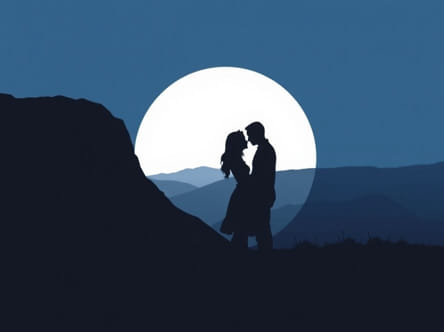
In daily conversations, literature, or cultural discussions, the word romanticize frequently appears when people talk about ideas, people, places, or historical events in a way that makes them seem more appealing than they truly are. To understand this term properly, we need to break down its origin, usage, and context. The English meaning of romanticize often ties to how someone interprets reality through an emotional or idealistic lens, rather than through facts or practical reasoning. This term holds strong relevance in storytelling, memory, nostalgia, and even social commentary, making it a powerful concept in both language and life.
Definition of Romanticize
To romanticize something means to describe or view it in a way that makes it seem better, more attractive, or more desirable than it actually is. This often involves ignoring the negative aspects of something and focusing only on the positive or ideal parts. In simple terms, when someone romanticizes a situation, they are putting a filter over reality.
Basic Meaning in English
The verb romanticize can be defined as:
- To make something seem more appealing or glamorous than it really is
- To see things not as they are, but as we wish them to be
- To idealize or view with unrealistic optimism
Part of Speech
Romanticize is a verb. It is the action of idealizing or glamorizing a concept or experience. Its noun form is romanticization, and the adjective form derived from its root is romantic.
Examples of Romanticizing
To fully understand the romanticize meaning in English, it helps to look at a few real-world examples. These can show how this word is used and the kinds of things people often romanticize.
- History: Some people romanticize the medieval era, imagining knights, castles, and chivalry, while ignoring the harsh realities like disease, poverty, and violence.
- Relationships: People often romanticize past relationships by remembering only the good times and forgetting the arguments or incompatibilities that led to the breakup.
- Travel: Travelers might romanticize foreign countries, picturing beautiful scenery and exotic food, without considering the cultural challenges or economic hardships locals face.
- Careers: Jobs like being a writer or artist are often romanticized as dream professions full of freedom and inspiration, but they also involve discipline, stress, and financial instability.
Origins and Etymology
The word romanticize stems from the word romantic, which comes from romance. Initially, romance referred to tales of adventure, heroism, and ideal love in medieval literature. Over time, the term came to represent an idealized or sentimental view of life, often detached from practical reality. Adding the suffix -ize turns it into a verb, indicating the act of turning something into a romantic or ideal form.
Why People Romanticize
Romanticizing serves a psychological function. People often romanticize experiences as a way to cope with difficulties, disappointments, or regrets. It can be comforting to look back at a tough period and remember only the good parts. Here are some common reasons why people tend to romanticize:
Emotional Attachment
When we have strong emotional connections to people, places, or events, we are more likely to view them in a positive light. The brain tends to amplify the good and soften the bad.
Escapism
Romanticizing can be a form of mental escape. If someone is unhappy with their current reality, they might create a more beautiful version of the past or an imagined future to distract themselves.
Social Influence
Media, films, and books often romanticize lifestyles or historical eras, which shapes how people think. These portrayals can make us believe that certain things are more glamorous than they actually are.
Positive and Negative Effects
Romanticizing can be both beneficial and harmful, depending on how it is used or experienced.
Positive Effects
- Helps people find beauty and meaning in life
- Encourages hope and creativity
- Can inspire individuals to pursue goals and dreams
Negative Effects
- May lead to disappointment when reality does not match the fantasy
- Can distort decision-making and expectations
- May prevent people from fully accepting or learning from past mistakes
Romanticize in Literature and Art
Writers, filmmakers, and artists frequently use romanticization to create powerful narratives. In literature, romanticizing is used to evoke emotion, nostalgia, or beauty. Poets may romanticize nature to highlight its serenity. Novelists may romanticize youth or first love to capture innocence and emotional depth. Similarly, visual art often romanticizes landscapes, people, or even historical events.
How to Identify Romanticizing
It’s not always easy to recognize when someone is romanticizing a topic, especially when it is subtle. However, some signs include:
- Overlooking obvious flaws or downsides
- Using emotionally charged or idealistic language
- Creating unrealistic or exaggerated portrayals
Synonyms and Related Terms
Other English words that share a similar meaning or context with romanticize include:
- Idealize
- Glamorize
- Sentimentalize
- Mythologize
- Overdramatize
Each of these words has slight nuances, but all involve seeing things through a lens of emotion, admiration, or illusion.
Common Collocations and Usage
The word romanticize often appears alongside certain subjects or contexts. Some common phrases include:
- Romanticize the past
- Romanticize hardship
- Romanticize war
- Romanticize poverty
- Romanticize relationships
Understanding these patterns can help learners use the term more naturally in speech and writing.
The English meaning of romanticize goes far beyond simple admiration. It reveals how people view the world through a lens of emotion and imagination. While this can be inspiring and poetic, it can also lead to misunderstandings if taken too far. By recognizing when and how we romanticize, we become more aware of the gap between appearance and reality. Whether discussing literature, memory, or modern society, understanding this term enriches both language and perspective. So, the next time someone speaks fondly of the good old days or a dream career, take a moment to consider: are they romanticizing it?