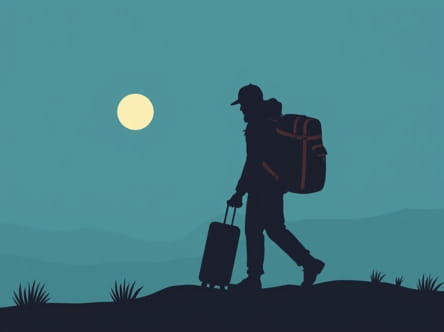
In a world constantly in motion, where people travel far and wide in search of purpose, adventure, or peace, the phrase ‘Rest here, weary traveler’ offers more than a literal invitation it symbolizes a moment of stillness in the middle of life’s chaos. Whether you are trekking through a foreign land, navigating emotional hardship, or simply experiencing burnout from the daily grind, the idea of resting becomes not just a physical necessity but a spiritual comfort. This concept speaks to the universal need for a safe haven where travelers of all kinds can pause, reflect, and regain their strength.
The Timeless Symbolism of the Traveler
Throughout history, literature, and culture, the traveler has symbolized the journey of life itself. From ancient pilgrimages to modern solo backpacking trips, the traveler represents humanity in motion always seeking, always discovering. In this context, rest becomes a sacred part of the journey. It is not merely the absence of movement but a time for renewal.
Travel as a Metaphor for Life
Many view travel as a metaphor for personal growth. Just as we move from one location to another, we also progress through various life stages, facing new challenges and opportunities. During these transitions, we often need to rest not just physically, but emotionally and mentally.
Rest as a Sacred Act
Resting is not weakness. It is a vital act of care. Whether in a rustic roadside inn or a quiet moment under a tree, the traveler who rests shows wisdom. A well-timed pause helps to gather thoughts, heal wounds, and renew the soul before moving forward again.
Places That Embrace the Weary
The phrase Rest here, weary traveler is often associated with signage in hostels, inns, or roadside shelters. These places are not just accommodations they represent refuge. Hospitality is a language of kindness that transcends cultures. Providing shelter and warmth to someone on a long journey has long been a mark of civilization and empathy.
Characteristics of a Welcoming Rest Stop
- A calm and quiet environment
- Comfortable seating or bedding
- Warm food and drink
- Friendly, understanding hosts
- Access to basic necessities like clean water and restrooms
Global Examples of Resting Sanctuaries
- Japanese Ryokans: Traditional inns offering tranquility and care to passing travelers.
- European Pilgrim Hostels: Found along routes like the Camino de Santiago, these offer low-cost beds and communal meals.
- Desert Caravanserais: Ancient resting places in the Middle East where travelers and their animals could pause and recharge.
Modern Relevance in a Busy World
Today, the average person may not be crossing continents on foot, but modern life presents its own exhausting journey. Long hours, digital fatigue, and endless responsibilities have created a different kind of weary traveler. In this context, ‘Rest here, weary traveler’ could be a reminder to take a break from scrolling, deadlines, and pressures.
Digital Retreats and Mindful Moments
Many are now turning to practices like mindfulness, digital detox, and nature therapy to find their rest. Parks, meditation centers, and even peaceful corners in libraries serve as urban sanctuaries where one can retreat from the noise of modern life.
Creating Your Own Place of Rest
You don’t need to travel far to find rest. Often, the most effective rest comes from intentional design of your own space and schedule. Whether it’s a quiet reading nook, a small garden, or a regular evening walk, creating these sanctuaries helps you slow down and reconnect with yourself.
Ideas for Personal Rest Spaces
- Dedicate a small space at home for relaxation and meditation.
- Unplug from digital devices during meals or before bed.
- Use scent, light, and music to create a soothing atmosphere.
- Practice deep breathing or journaling in moments of stress.
Literary and Poetic Inspirations
The phrase Rest here, weary traveler often appears in literature, poetry, and storytelling. It may be inscribed on a gravestone, written in a fantasy novel, or whispered by a kind stranger in a tale. Its use evokes emotion, nostalgia, and empathy a universal call to those carrying burdens.
Examples in Literature
- J.R.R. Tolkien: In ‘The Lord of the Rings,’ characters frequently rest on their perilous journey, highlighting the necessity of pause amid danger.
- John Bunyan’s Pilgrim’s Progress: The journey of the protagonist involves many moments of rest at key points of moral and spiritual realization.
Spiritual and Philosophical Interpretations
Many spiritual traditions recognize rest as sacred. In Christianity, the concept of Sabbath emphasizes the importance of rest. In Buddhism, meditation is a form of mindful stillness. Philosophers from Socrates to Marcus Aurelius have written about the value of introspection and quiet time.
Rest in Religious Texts
- Bible: Come to me, all you who are weary and burdened, and I will give you rest. – Matthew 11: 28
- Qur’an: And We made your sleep for rest. – Surah An-Naba 78: 9
Final Reflections
In every journey be it physical, emotional, or spiritual there is a moment where we must stop, breathe, and find solace. ‘Rest here, weary traveler’ is more than an invitation; it’s a human need. A chance to reflect, recover, and remember that life is not a race, but a path to be walked with care and compassion. Whether you find your rest in a distant land or your own backyard, honor that moment. Embrace the stillness. Then, when you’re ready, rise with renewed strength for the road ahead.