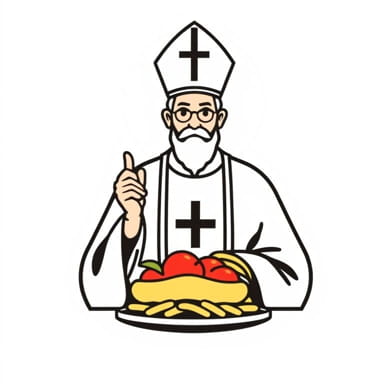
In a world saturated with fast food and artificial ingredients, the voice of Real Food Monsignor Jim rises as a steady call back to the basics wholesome meals, made with care, rooted in tradition. Monsignor Jim has become a respected advocate for real food, emphasizing the importance of natural ingredients, mindful preparation, and the deep connection between food, family, and faith. His message is not about trends or diet fads, but about returning to the kitchen, to the table, and to the values that food can nurture when treated with respect. Through community outreach, cooking advice, and simple recipes, Real Food Monsignor Jim inspires people to rediscover the joy of cooking and eating real food.
Who Is Monsignor Jim?
Monsignor Jim, a Catholic priest with decades of pastoral experience, is not your typical food personality. While his primary vocation is rooted in spiritual guidance, his passion for real food stems from a desire to foster community, health, and gratitude through meals shared around the table. Over the years, Monsignor Jim has hosted local gatherings, appeared in media interviews, and spoken at schools and churches to share his message of eating well and living authentically. His approach is grounded in both practicality and purpose, blending faith and food in a way that feels both nourishing and heartfelt.
Faith and Food: A Natural Connection
For Monsignor Jim, food is not just sustenance it’s a gift. He teaches that every meal is an opportunity to be grateful, to connect with others, and to reflect on the bounty of the earth. This perspective ties closely to traditional values found in many faiths: hospitality, sharing, and mindfulness. Real food is a form of stewardship. When we choose fresh vegetables, local produce, and homemade meals over processed convenience, we honor our bodies and the planet. Through his work, Monsignor Jim encourages families to see cooking not as a chore, but as a spiritual practice, one that brings people together and enriches life in meaningful ways.
The Principles of Real Food According to Monsignor Jim
At the core of Real Food Monsignor Jim’s message are several guiding principles that define what real food means and why it matters:
- Simple Ingredients: Food should be made from whole, recognizable ingredients with minimal processing.
- Home Cooking: Preparing food at home allows greater control over nutrition, quality, and taste.
- Seasonal Eating: Using seasonal and local ingredients supports sustainability and freshness.
- Gratitude: Meals should be approached with appreciation for the hands that prepared them and the earth that provided them.
- Community: Food is meant to be shared, bringing people together in joy and conversation.
Typical Dishes Embraced by Real Food Monsignor Jim
Monsignor Jim promotes cooking that is approachable for everyday families. The meals don’t need to be fancy or expensive. They just need to be made with love and integrity. Some of the staple dishes he recommends include:
- Hearty vegetable soups made from scratch
- Freshly baked bread using basic flour, yeast, and water
- Simple pasta dishes with olive oil, garlic, and herbs
- Roasted root vegetables served alongside whole grains
- Fruit-based desserts, such as baked apples or berry compote
A Focus on Family Meals
One of the strongest messages from Monsignor Jim is the importance of gathering at the table. In many modern households, meals are rushed or eaten in front of screens. Real food, he teaches, deserves to be shared. Family dinners are not just about eating they are about storytelling, bonding, and learning values. Even the preparation of food can be a family activity. Children can help knead dough, wash vegetables, or set the table. These small acts become traditions that pass down love and connection through generations.
Real Food as a Response to Modern Challenges
In an age of fast food chains and frozen meals, the rise of lifestyle diseases such as diabetes and obesity is no coincidence. Monsignor Jim believes that one powerful way to combat these issues is through real food. He frequently emphasizes the health benefits of reducing sugar, avoiding preservatives, and embracing natural fats and proteins. He also speaks out against food waste and overconsumption, encouraging mindful shopping and the reuse of leftovers in creative ways. Real food isn’t just a preference it’s a response to the industrialized systems that have distanced people from the source of their nourishment.
Supporting Local Farmers and Markets
Another vital aspect of Monsignor Jim’s philosophy is supporting local food producers. Buying from farmers’ markets and small producers not only strengthens the local economy but also ensures that you’re getting food that hasn’t traveled thousands of miles. Locally grown fruits and vegetables are usually fresher, more nutritious, and often grown with greater care. Monsignor Jim urges communities to get involved with local farms, whether by shopping there, volunteering, or simply learning more about how their food is grown.
Education Through Cooking
Real Food Monsignor Jim often teaches basic cooking skills to people of all ages. His philosophy is that everyone, regardless of experience, can learn to cook a simple and healthy meal. His demonstrations and lessons focus on demystifying the kitchen. No fancy tools or gourmet ingredients are required. A basic pot, a knife, and a willingness to learn are all you need. By teaching these skills, he empowers people to take control of their health, save money, and reduce their dependence on packaged food.
Cooking as a Spiritual Practice
For Monsignor Jim, cooking is also a form of prayer. Chopping, stirring, baking these acts, when done with intention, can become moments of reflection and calm. The act of feeding others is sacred. When people cook with kindness and serve others with joy, they participate in a deeply human and spiritual act. This approach invites people to slow down and be present in the kitchen, finding peace in the rhythms of real food preparation.
The Impact of Real Food Monsignor Jim
Over the years, Monsignor Jim’s work has influenced schools, churches, and communities. He has helped initiate community gardens, inspired food drives based on healthy ingredients, and guided families through the transition to home-cooked meals. His approach resonates with a wide audience because it’s not based on judgment but on encouragement. He meets people where they are and offers realistic steps toward better food choices. Whether it’s through a cooking class, a parish newsletter, or a Sunday homily, his message remains consistent and powerful: food should be real, nourishing, and shared with love.
Final Reflections
Real Food Monsignor Jim reminds us that eating well isn’t about perfection it’s about presence. It’s about choosing ingredients that you can pronounce, preparing meals that make you feel good, and sharing them with people you care about. In a world that moves too quickly, he invites us to return to the kitchen, to honor tradition, and to celebrate the beauty of real food. His teachings blend wisdom, simplicity, and compassion, showing that sometimes the most profound changes start with what’s on our plate.