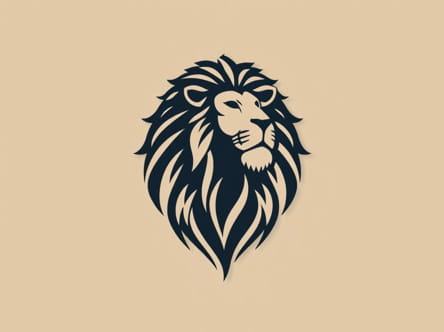
The Rasta Lion of Judah is one of the most recognizable and spiritually significant symbols within Rastafarian culture. Deeply rooted in Ethiopian tradition and biblical prophecy, the Lion of Judah is not just a majestic animal but a powerful emblem of resistance, pride, identity, and divine kingship. For Rastafarians, it stands as a representation of Emperor Haile Selassie I of Ethiopia, whom they revere as the earthly manifestation of God, or Jah. This iconic symbol is seen across flags, music, clothing, and art, carrying messages that reach beyond religion into the realms of politics, social justice, and African heritage.
Origins of the Lion of Judah
The concept of the Lion of Judah originates in the Bible, particularly in the Book of Genesis, where Jacob refers to his son Judah as a ‘lion’s whelp.’ Later, in the Book of Revelation, Jesus Christ is described as the ‘Lion of the tribe of Judah.’ This symbol was adopted by Ethiopian emperors to assert their descent from the biblical King Solomon and the Queen of Sheba. Haile Selassie, the last emperor of Ethiopia, claimed this royal lineage, and it became central to his divine status in Rastafarian belief.
The Ethiopian Connection
Ethiopia plays a vital role in the identity of the Lion of Judah. The imperial standard of Haile Selassie featured a lion holding a flag, representing both biblical and political power. Rastafarians look to Ethiopia as Zion their spiritual homeland and a symbol of black liberation. The association between Haile Selassie and the Lion of Judah strengthened when he was crowned in 1930 with titles such as King of Kings, Lord of Lords, and Conquering Lion of the Tribe of Judah.
The Lion of Judah in Rastafarian Belief
For Rastafarians, the Lion of Judah is far more than a historic or religious symbol; it is an embodiment of strength, dignity, and divine presence. It connects the faith to its African roots and serves as a daily reminder of the struggle for justice and spiritual redemption.
- Divine Kingship: The lion represents Haile Selassie as the divinely appointed ruler.
- Spiritual Strength: The lion’s courage and resilience symbolize the spiritual journey of Rastafarians.
- African Identity: It reinforces the belief in Africa as the cradle of life and the true homeland of black people.
- Resistance to Oppression: As a majestic creature, the lion stands against colonialism, racism, and injustice.
The lion’s image is not just a religious emblem but a social and cultural marker that reflects the values of empowerment, unity, and pride among Rastafarians around the world.
Haile Selassie and the Living Lion
Haile Selassie I is considered the living Lion of Judah. Rastafarians believe he fulfills the prophecy of the Messiah, as he is directly descended from King David’s lineage. His coronation, witnessed by many in the West, was seen as a divine event that fulfilled biblical scripture. Rastafarians do not view him merely as a political figure but as the Second Coming of Christ incarnate in African form. His image is often portrayed alongside the lion, reinforcing his symbolic role as the righteous ruler and protector of his people.
The Lion in Rasta Colors and Reggae Culture
The colors red, gold, and green are deeply linked with both the Lion of Judah and Rastafarian culture. These colors are commonly seen on flags, clothing, accessories, and artwork that depict the lion.
- Red: Symbolizes the blood of martyrs and the struggle for freedom.
- Gold: Represents the wealth and prosperity of Africa.
- Green: Stands for the land of Ethiopia and its lush beauty.
The lion often appears in these colors, especially in reggae music and Rastafarian-themed art. Reggae artists like Bob Marley, Peter Tosh, and Burning Spear have used the Lion of Judah as a metaphor in their lyrics, championing messages of hope, spiritual resilience, and pan-African consciousness.
Iconography and Usage
You will frequently see the Lion of Judah printed on banners at reggae festivals, painted on the walls of Rastafarian communities, and woven into African-inspired clothing. It also appears in dreadlock symbolism and Rastafarian rituals. The lion’s upright stance and flowing mane communicate a regal presence, reinforcing the idea that black people are descendants of kings and queens.
Spiritual and Political Symbolism
Beyond its religious context, the Lion of Judah is a political statement. It challenges Western narratives of power and history, replacing colonial rulers with a black, African savior. Rastafarianism emerged during times of social upheaval, when black communities sought identity and autonomy. The lion became a visual and emotional anchor in this struggle.
As a symbol of black empowerment, the Lion of Judah inspired movements across the African diaspora. It encouraged a reawakening of African pride, leading many to reject the imposed narratives of inferiority. The lion’s roar, metaphorically speaking, became the voice of the oppressed reclaiming their dignity and place in the world.
Modern Interpretations
Today, the Lion of Judah continues to be a dynamic symbol. It has transcended its religious roots and now appears in fashion, street art, and contemporary music. Although some representations are more commercial than spiritual, the core message remains intact: the lion stands for strength, divine purpose, and the unbreakable spirit of Africa and its people.
In urban culture, tattoos and jewelry of the Lion of Judah serve as expressions of cultural identity. For many, wearing the symbol is a way to honor African ancestry, promote unity, and carry a piece of spiritual heritage.
Global Impact and Recognition
The Lion of Judah has found recognition far beyond the boundaries of Rastafarian communities. It is embraced by people who identify with its message of justice, resistance, and divine truth. In countries like Jamaica, Ethiopia, and the United States, it remains a unifying image for Afrocentric thought and spiritual consciousness.
Through education, art, and cultural exchange, the Lion of Judah fosters a deeper understanding of Africa’s role in global history and the enduring power of spiritual symbolism. It serves as a bridge between ancient wisdom and modern struggles, reminding humanity of the value of resilience and self-knowledge.
The Rasta Lion of Judah is a powerful cultural and religious symbol that transcends time and borders. Rooted in biblical tradition and Ethiopian history, it has become a beacon of hope, strength, and pride for Rastafarians and people of African descent worldwide. Whether depicted in music, fashion, or art, the lion continues to roar with meaning. It speaks to a deep yearning for justice, identity, and divine connection. As the world evolves, the Lion of Judah remains ever-present, standing tall as a testament to the unyielding spirit of a people who see in it not just an animal but a king, a guide, and a symbol of eternal power.