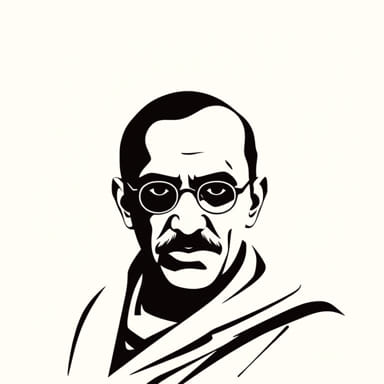
On the evening of May 21, 1991, the political landscape of India was forever changed by a tragic act of violence. Rajiv Gandhi, the sixth Prime Minister of India and the scion of the Nehru-Gandhi political dynasty, was assassinated in Sriperumbudur, Tamil Nadu. This devastating event not only shocked the Indian nation but also drew global attention to the intricacies of regional conflicts in South Asia. The assassination was executed by a suicide bomber affiliated with the Liberation Tigers of Tamil Eelam (LTTE), a separatist militant organization based in Sri Lanka. The incident highlighted the deep political tensions in the region and the risks that arise when domestic politics intersect with international insurgencies.
Background on Rajiv Gandhi
Rajiv Gandhi became Prime Minister of India in 1984 following the assassination of his mother, Indira Gandhi. His leadership marked a shift towards modernization and liberalization of the Indian economy. However, his tenure also faced criticism, particularly concerning his handling of regional conflicts and internal insurgencies. One such contentious decision was India’s intervention in the Sri Lankan civil war, which directly influenced the circumstances of his assassination.
India’s Involvement in Sri Lanka
In the 1980s, Sri Lanka was facing a brutal civil conflict between the majority Sinhalese government and Tamil separatists. The LTTE emerged as a dominant force fighting for an independent Tamil state, known as Tamil Eelam. India, which had a significant Tamil population in the southern state of Tamil Nadu, initially provided moral and logistical support to Tamil rebels. However, in 1987, Rajiv Gandhi signed the Indo-Sri Lanka Accord, which sought to bring peace to the island nation by deploying the Indian Peace Keeping Force (IPKF).
The presence of the IPKF quickly became controversial. While the force was intended to disarm militant groups and enforce peace, it clashed heavily with the LTTE, leading to accusations of brutality and excessive force. The LTTE viewed the Indian intervention as a betrayal and began to target Indian interests, including Rajiv Gandhi himself.
The Assassination in Sriperumbudur
Rajiv Gandhi was campaigning for re-election when he visited the town of Sriperumbudur in Tamil Nadu. As he approached the podium to address supporters, a young woman named Thenmozhi Rajaratnam, also known as Dhanu, approached him with a garland of flowers. Concealed under her clothing was an explosive belt, which she detonated at close range. The explosion killed Rajiv Gandhi and at least 14 others, including police officers and political workers.
Investigations later confirmed that the suicide bomber was an LTTE operative. The attack marked the first time a suicide bombing had been used in Indian political violence, shocking the nation and introducing a new, more lethal method of assassination into Indian politics.
Who Were the LTTE?
The Liberation Tigers of Tamil Eelam (LTTE) was a separatist group formed in 1976 under the leadership of Velupillai Prabhakaran. Their goal was to establish an independent Tamil state in northern and eastern Sri Lanka. The LTTE became notorious for its disciplined structure, guerrilla tactics, and pioneering use of suicide bombers. They established a reputation for targeting high-ranking officials, including political leaders and military officers, in both Sri Lanka and India.
By the time of Rajiv Gandhi’s assassination, the LTTE had already been involved in years of armed struggle. The group considered India’s involvement in the Sri Lankan conflict, particularly the IPKF, as an obstacle to their goal of Tamil Eelam. As a result, they decided to eliminate Rajiv Gandhi, seeing him as a direct threat to their cause.
Aftermath and Legal Proceedings
The Indian government launched an extensive investigation into the assassination, which led to the conviction of several individuals involved in the conspiracy. A total of 26 people were sentenced to death in 1998 for their roles in the assassination. However, the Supreme Court of India later commuted most of these sentences to life imprisonment, citing various mitigating factors. Over the years, public opinion shifted, and several convicts were eventually released from prison, stirring political debate across the country.
Despite the legal resolutions, the scars left by Rajiv Gandhi’s assassination continue to affect India’s approach to counter-terrorism and its foreign policy, particularly concerning its southern neighbors. The Indian government officially banned the LTTE in 1992, and it remains a proscribed organization in India to this day.
International Reaction
Rajiv Gandhi’s assassination drew widespread international condemnation. World leaders mourned the loss of a leader who had sought to modernize India and engage with the global community. The incident also raised concerns about cross-border terrorism and the ability of non-state actors to influence political outcomes in democratic nations.
In Sri Lanka, the assassination strained relations between the Tamil community and the Sri Lankan state even further. It also exposed the complex role that regional powers like India play in internal conflicts, and the unintended consequences of military intervention in sovereign nations.
Legacy of the Assassination
Rajiv Gandhi’s assassination marked a turning point in Indian political history. It underscored the vulnerability of political leaders and the far-reaching impact of regional conflicts on national security. The incident remains a somber reminder of the costs of political violence and the importance of maintaining peace through diplomacy and dialogue.
In the years that followed, India adopted stronger security protocols for public officials and reevaluated its foreign policy strategies regarding neighboring countries experiencing internal strife. The assassination also led to increased scrutiny of insurgent groups operating in South Asia and efforts to dismantle their networks.
Continued Relevance Today
More than three decades after the tragedy, the memory of Rajiv Gandhi’s assassination still resonates. The event is studied by political analysts, historians, and security experts alike as a case study in political assassination, terrorism, and the dangers of foreign entanglement. It serves as a powerful example of how extremist ideologies, left unchecked, can lead to irrevocable damage to national leadership and democratic processes.
Understanding the motives behind the LTTE’s decision to target Rajiv Gandhi also provides insights into the challenges of balancing national interests with regional diplomacy. It demonstrates how the actions of a leader on the international stage can have personal and political consequences far beyond their immediate borders.
Rajiv Gandhi was assassinated by the terrorist belonging to the Liberation Tigers of Tamil Eelam, a group driven by a separatist agenda in Sri Lanka. His assassination was not only a personal tragedy for the Gandhi family but also a critical moment in Indian political history. The loss of Rajiv Gandhi brought renewed attention to the importance of counter-terrorism, regional diplomacy, and the safety of public figures. As India continues to navigate complex international relationships, the lessons from his assassination remain deeply relevant, urging future leaders to tread carefully in the realm of international conflict and domestic security.