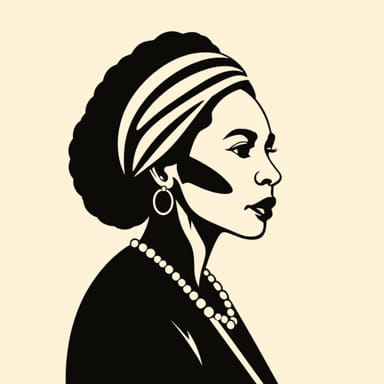
Among the most enduring images from the 19th century is the powerful photo of Sojourner Truth, the African-American abolitionist and women’s rights activist whose presence both in person and in print left a lasting mark on American history. Captured during a time when photography was becoming more accessible, her portraits were not merely documentation but bold statements of identity, dignity, and defiance. More than just a representation of her physical likeness, the photo of Sojourner Truth has become a symbol of resistance and empowerment, offering a visual anchor to the remarkable legacy she left behind. Her photograph is often associated with the larger fight against slavery and the push for equal rights for all, particularly Black women.
Who Was Sojourner Truth?
Sojourner Truth was born Isabella Baumfree around 1797 in Swartekill, New York, into slavery. She experienced the brutality and injustice of slavery firsthand and was sold several times before finally gaining her freedom in 1826. After her emancipation, she changed her name to Sojourner Truth and became a traveling preacher and public speaker. She became known for her compelling speeches advocating for the abolition of slavery and equal rights for women.
Truth never learned to read or write, but she spoke with profound wisdom, relying on her life experience and religious conviction. She became one of the most recognized figures of her time, particularly after her famous 1851 Ain’t I a Woman? speech, which challenged prevailing notions of racial and gender inferiority.
The Iconic Photo of Sojourner Truth
One of the most widely circulated photos of Sojourner Truth was taken in the 1860s. Unlike many African Americans at the time who had limited control over their image, Truth took deliberate steps to manage her representation. She often sold these photos to support herself and her activism. The most iconic image shows her seated with a calm yet assertive expression, dressed in a dark dress and a white shawl, with her knitting in her hands a subtle message of industriousness and virtue.
This photo was a declaration. It communicated that Truth was not only a former slave but a self-respecting, independent woman. She even had printed at the bottom of some of her portraits the phrase, I sell the shadow to support the substance, cleverly turning the photograph her shadow into a means of economic support and a political statement.
Symbolism Within the Portrait
The photo of Sojourner Truth carries layers of symbolic meaning. Every element of her appearance, from the headscarf to the props she chose, reflected her identity and mission. The knitting was not an accidental detail it showed her as productive and morally upright, confronting common racist and sexist stereotypes of the time. Her pose was dignified, and her expression confident, projecting self-assurance and strength.
Political and Social Impact
Sojourner Truth understood the power of imagery. In an era when Black women were largely invisible in media and public life, her photo asserted her presence. It was a subtle yet forceful protest against the dehumanization of African Americans. These photos were distributed among abolitionists and sold at her lectures, helping her disseminate her message while challenging how society viewed Black women.
Photography as a Tool for Activism
The use of photography by Sojourner Truth was revolutionary. She was one of the first African American women to recognize and harness photography’s power for activism. During the Civil War era, photography was still a relatively new technology, and many Americans had not yet had their picture taken. Truth’s decision to commission and sell photos of herself was both economically practical and ideologically strategic.
By doing so, she bypassed traditional media and publishers, asserting control over her public persona in a time when African American voices were often silenced or distorted. Her photographic image thus became part of her advocacy a visual supplement to her spoken words.
Other Known Photographs
In addition to the famous seated photo, there are a few other lesser-known images of Sojourner Truth. These images show her in different clothing and settings, but they all maintain the same dignified tone. In some portraits, she is holding a book, signifying learning and literacy, even though she could not read herself. These visual cues aligned with her mission to uplift and educate others through moral and spiritual truth.
Legacy of Sojourner Truth’s Image
Today, the photo of Sojourner Truth remains one of the most recognizable portraits from 19th-century American history. It appears in textbooks, museums, and public exhibits dedicated to abolition, women’s suffrage, and civil rights. Her image has been featured on a U.S. postage stamp and proposed for use on American currency.
Modern audiences view this photo as more than just a historical artifact. It is a lasting symbol of courage, agency, and transformation. In a world where visual representation continues to shape public opinion, Sojourner Truth’s early understanding of photography’s power remains instructive and inspiring.
Why Her Photo Still Matters
- Visibility: At a time when African Americans and women were often excluded from public imagery, her portrait demanded to be seen.
- Empowerment: Her photos challenged racial and gender norms, projecting confidence and humanity.
- Economic Tool: Truth used her image to support herself financially while promoting her cause.
- Historical Record: The photo provides a direct, visual connection to her life and era, bridging past and present.
Continuing Influence in Culture and Education
In classrooms and academic settings, the photo of Sojourner Truth is often used to prompt discussions about slavery, civil rights, and the early feminist movement. Her image accompanies lessons on the power of representation and the role of media in shaping public perception. Exhibits at historical museums across the United States include her photo as a central piece in exploring 19th-century reform movements.
Artists, writers, and filmmakers have also drawn on her iconic photo as a source of inspiration. Whether recreated in paintings or reimagined in digital art, the image of Sojourner Truth continues to evoke themes of justice and dignity. The clarity of her gaze and the calm authority of her posture still resonate, reminding viewers of the strength it took to rise above oppression and speak out for truth.
The photo of Sojourner Truth stands as a powerful symbol of resilience, intellect, and defiance. It captures a woman who defied the odds, rising from slavery to become a national figure of change. More than just a snapshot, it is a message to the world that even in the face of injustice, one can possess and project dignity. Sojourner Truth’s image, carefully curated and widely distributed, continues to tell her story long after her voice has fallen silent. It remains one of the most enduring representations of moral courage in American history, a reminder of the impact one determined individual can make on the course of justice and equality.