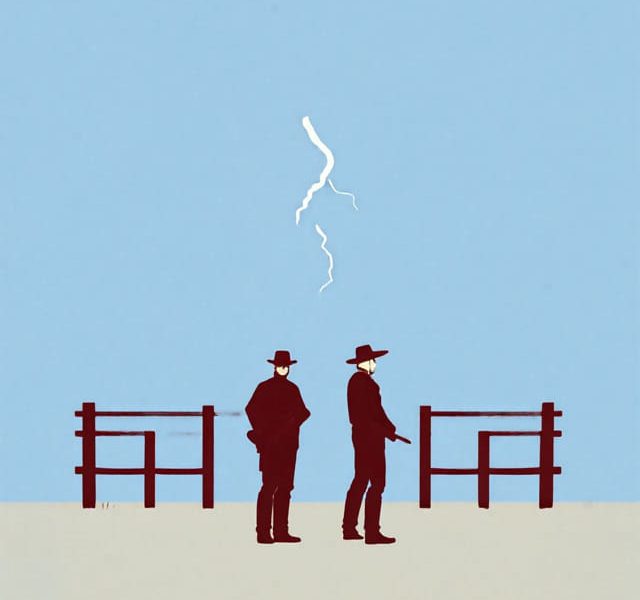
In the vibrant and dangerous world of Outlaws of Thunder Junction, few elements capture players’ imaginations as much as the mysterious and powerful concept of the Simulacrum. As part of Magic: The Gathering’s bold western-themed expansion, Thunder Junction combines traditional fantasy with outlaw motifs, gunslingers, and magical showdowns in a frontier setting. Among the most intriguing mechanics and storylines introduced in this set is the use of simulacra artificial creations or magical copies that play a key role in both gameplay strategy and the narrative tapestry of the set. Understanding how simulacrum cards work, their lore context, and their strategic implications helps players navigate the dry, dusty, and deadly landscape of Thunder Junction with style and precision.
What Is a Simulacrum in Thunder Junction?
Defining the Term
In the context of Magic: The Gathering, a simulacrum typically refers to a duplicate, illusion, or magical imitation of a creature or object. In Outlaws of Thunder Junction, the simulacrum theme blends well with the set’s tone of deception, double-crossing, and magical manipulation. Whether represented through tokens, spell effects, or enchantments, these duplications serve as thematic extensions of the lawless world where identities are slippery, and nothing is as it seems.
Mechanics That Represent Simulacra
- Token Copies: Several spells and abilities in Thunder Junction create token copies of creatures, echoing the simulacrum theme.
- Illusion Subtype: Illusions are often tied to simulacrum-style gameplay, usually featuring fragile or temporary existence.
- Clone Effects: Classic clone-like creatures make appearances with Wild West flair, fitting the duplicity and cunning of outlaws and mages alike.
Card Examples and Gameplay Applications
Notable Simulacrum Cards in Thunder Junction
Several cards in this set either carry the name Simulacrum or are clearly tied to its mechanic and theme. These cards can change the pace of a game, especially in formats that value surprise plays and creature synergies.
- Magister’s Simulacrum A powerful blue spell that creates a copy of a creature from each opponent’s battlefield, often used in multiplayer formats to shift balance.
- Echoform Outlaw A creature that creates a token copy of itself or another outlaw upon entering the battlefield, often used in synergy decks with sacrifice or enter-the-battlefield triggers.
- Dust Mirage A trickster instant that exiles a creature and returns a token version with temporary existence, excellent for dodging removal or retriggering effects.
Strategy and Synergy
Simulacrum mechanics in Thunder Junction provide versatility in deckbuilding and gameplay:
- Copying Strong Effects: Use simulacrum spells to double powerful abilities from creatures you control or your opponents’.
- Sacrifice Synergy: Pair token copies with sacrifice outlets to get value without losing real resources.
- Disruption and Trickery: Illusions and temporary tokens can confuse opponents, forcing misplays or poor removal choices.
Lore and Worldbuilding: Simulacra in the Thunder Junction Narrative
The Role of Simulacra in the Story
Thunder Junction is a lawless frontier where powerful mages, magical artifacts, and strange technologies intersect. Simulacra, as artificial constructs, represent both the deceit and ambition that define this setting. From spellcasters who duplicate themselves to manipulate duels, to wealthy barons using magical clones for protection or infiltration, simulacra add depth and danger to the ongoing story.
Within the set’s narrative, the simulacrum theme reflects characters trying to cheat death, mask their intentions, or control others through manufactured versions. It’s not just about copying it’s about illusion, trickery, and control, all of which are central to Thunder Junction’s tone.
Notable Characters Involved
- Oko, the Trickster Outlaw: A central figure known for deception and transformation magic. His story arc often includes the use of duplicates, disguises, and manipulation, making him an ideal figurehead for simulacrum strategies.
- Vraska, Whisper in the Shadows: Her involvement in illusionary plots and alliances suggests the use of clones or simulacra for spying and blackmail.
- New villains and outlaws: Several characters in Thunder Junction appear to use simulacra as tools of misdirection, whether in heists, duels, or power plays across the frontier.
Deck Archetypes That Benefit from Simulacrum Cards
Clone-Control Decks
These decks use blue-based control shells with copy effects to leverage the opponent’s threats. Simulacrum cards are key to managing the board and turning the enemy’s power against them.
Token Value Engines
Combining simulacra with cards that reward token creation or enter-the-battlefield triggers creates high-efficiency value engines. Cards that create temporary clones become part of loops or combos, particularly in Commander formats.
Illusion Aggro-Tempo
Simulacra sometimes come with drawbacks, such as being illusions that disappear after damage or spell targeting. Tempo decks can use these high-power, low-investment creatures to apply early pressure and manipulate the opponent’s answers.
Commander Potential and Multiplayer Use
Why Simulacrum Is Great in Commander
In multiplayer formats, especially Commander, simulacrum-based cards allow players to adapt to changing board states. Copying the most powerful threat on the table, building up token armies, or creating a surprise blocker can drastically change the game’s momentum.
Commanders that synergize well with simulacra include:
- Sakashima of a Thousand Faces: Classic for copy-based builds, now with Thunder Junction tools to support.
- Adrix and Nev, Twincasters: Double the copy effects for exponential impact.
- Oko, the Kingpin: Leveraging Thunder Junction’s outlaw mechanics and illusion-based trickery in conjunction with copy strategies.
Simulacrum Cards and Limited Play
Draft and Sealed Impact
In Limited formats, simulacrum cards offer excellent flexibility. A creature that copies the best thing on your side or your opponent’s can swing the game. The unpredictability and reactive potential of simulacrum spells make them high picks in Draft.
Tempo and Surprise Factor
Using simulacrum abilities as tricks during combat or to stabilize the board can create massive tempo swings. Draft decks often revolve around board presence, and cloning effects add a new dimension of tactical surprise.
The concept of the simulacrum in Outlaws of Thunder Junction expands both the mechanical and thematic depth of the set. It blends the excitement of wild west showdowns with the arcane artistry of magical duplication. Whether you’re building a control deck full of clones, crafting a sneaky Commander build, or simply looking to trick your opponents in a draft, simulacrum cards bring a new layer of cunning and adaptability to your strategy. With bold characters, clever spells, and deep worldbuilding, Thunder Junction continues to be a rich source of creative deckbuilding and storytelling in the Magic: The Gathering multiverse.