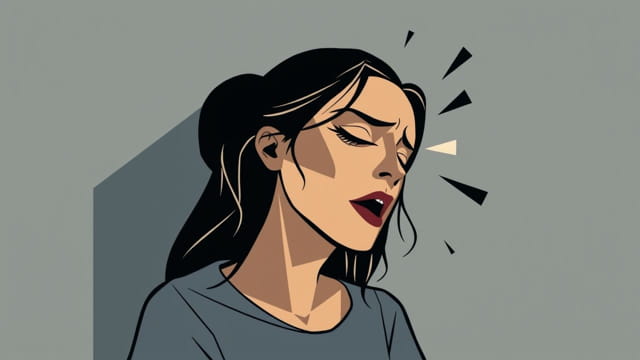
In Needy Girl Overdose, a visual novel-style simulation game developed by WSS Playground and Xemono, players take on the role of a supportive partner and manager to a rising streamer named Ame-chan. Amid its brightly colored, chaotic interface lies a deeper exploration of mental health, internet culture, and dependency. One particular ending that stands out in its abstract intensity is the ‘Cubism’ ending. This conclusion offers a surreal and symbol-heavy interpretation of Ame’s descent into identity fragmentation. Understanding the Cubism ending not only adds depth to the player’s comprehension of the narrative but also emphasizes the importance of managing emotional and psychological balance throughout the game.
Understanding the Structure of Needy Girl Overdose
Ame-chan’s Journey Through Streaming
The core gameplay revolves around Ame-chan trying to become a successful internet streamer under the alias OMGkawaiiAngel. As her partner, players schedule her daily activities, balance her stress and affection levels, and manage her social media presence. Every action has consequences, and the game features multiple branching paths that lead to different endings, depending on how players manage her mental health, fame, and personal boundaries.
The Role of Endings in Player Experience
The game features over 20 possible endings, each offering a unique conclusion to Ame’s turbulent story. While some are relatively wholesome, others are deeply disturbing. The Cubism ending is among the more cryptic and artful, leaving players to interpret its symbolism and emotional significance. This ending reflects the game’s experimental tone and willingness to push narrative boundaries.
The Cubism Ending Explained
How to Unlock the Cubism Ending
To unlock the Cubism ending, players typically must guide Ame through a path where her mental health begins to severely decline, often due to high stress levels and repeated exposure to fame’s toxic side. Specific conditions usually involve letting her stress meter hit its maximum while also encouraging her to delve into conspiracy content or drug-related activities. This combination destabilizes her sense of self, leading to the surreal and fractured state that defines this ending.
The Visual and Narrative Breakdown
When the Cubism ending is triggered, the game departs from its usual aesthetic. The screen becomes a chaotic collage of disjointed shapes, faces, and fragmented dialogue. Ame’s character model is no longer whole she is split into distorted layers, reflecting the cubist art style pioneered by artists like Picasso. The narrative becomes difficult to follow, with repeated text, broken sentences, and overlapping visuals symbolizing her fragmented identity and shattered mental state.
Interpretation of Cubism in Context
The use of Cubism in this context represents the disintegration of a unified self. Ame, once a single person with clear goals and feelings, becomes splintered into conflicting personas. These might include her streamer identity, her real self, her online fan projections, and the influence of fame and drugs. The ending metaphorically explores how online personas can fracture real identities, leaving a person disoriented and alienated from their own mind.
Symbolism in the Cubism Ending
Fragmented Self-Image
The most obvious symbolism is the visual fragmentation. Ame’s image is literally broken into pieces, each angle offering a different emotional expression or idea. This reflects the overwhelming nature of maintaining multiple personas online trying to be cute, funny, relatable, edgy, and successful all at once.
Disjointed Reality
The background imagery during the Cubism ending becomes increasingly abstract, often resembling a glitch-filled nightmare. Text may flash across the screen in non-sequiturs or repeat in a spiral pattern. These visual effects mimic the experience of a mind slipping into psychosis, driven by pressure, isolation, and overstimulation.
Commentary on Internet Culture
The Cubism ending also serves as a critique of influencer culture. It highlights how the relentless pursuit of followers, attention, and monetization can fragment a person’s identity until there is nothing coherent left. Ame’s breakdown becomes a symbol of burnout a very real issue for streamers and online creators today.
Impact on the Player
Emotional Shock and Reflection
Players who reach the Cubism ending often describe feelings of unease or guilt. Unlike endings that conclude with clear consequences, the Cubism path leaves much open to interpretation. This lack of clarity pushes players to reflect on their own choices in the game and the broader implications of mental health mismanagement.
A Wake-Up Call in a Stylized Form
Though heavily stylized, the Cubism ending can be a powerful reminder of how fragile mental stability can be, especially when mixed with fame, external expectations, and a lack of support. The player’s indirect role in Ame’s deterioration serves as a mirror for how society at large consumes and contributes to the suffering of online figures.
Replay Value and Thematic Layers
Encouraging Deeper Engagement
Because Needy Girl Overdose features multiple endings, reaching Cubism encourages players to replay the game with more intentionality. Understanding how different choices affect Ame’s fate gives the game more depth and lets players explore healthier routes where she finds peace, or alternatively, further chaotic conclusions.
Balancing Management and Compassion
The Cubism ending reveals what happens when players focus only on fame and shock content. To avoid this, they must learn to manage Ame’s schedule with empathy and consideration for her emotional wellbeing. This blends gameplay mechanics with a meaningful message true success comes not just from numbers, but from health and stability.
The Cubism ending in Needy Girl Overdose is one of the game’s most impactful and thought-provoking outcomes. By transforming Ame into a fragmented, abstract representation of herself, the game delivers a stark warning about the dangers of losing one’s identity to performance, fame, and mental strain. This ending is not meant to simply disturb it invites players to question the cost of constant online validation and the real-world implications of digital culture. For those exploring all of the game’s branching paths, the Cubism ending stands as a powerful artistic statement within an already complex and emotionally charged experience.