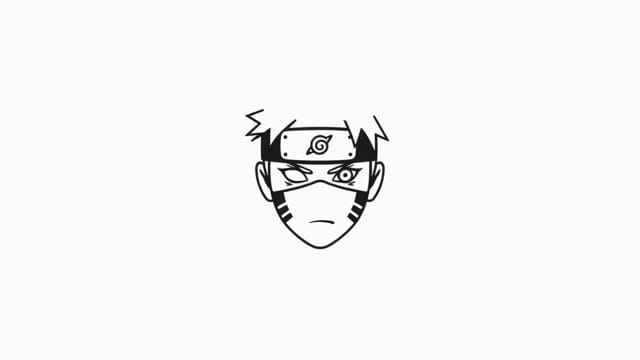
In the vast and emotionally rich world ofNaruto, few characters have inspired as much admiration, debate, and reflection as Naruto Uzumaki himself. From a lonely outcast to the revered Seventh Hokage, his journey is one of growth, perseverance, and belief in ideals. However, as the series unfolds, fans and critics alike have noticed a striking duality in Naruto’s philosophy his commitment to never abandoning his friends and his vision of peace often contrast sharply with his actions. This has led to a recurring question in the fandom: is Naruto a self-made hypocrite? Exploring this complexity not only enhances our understanding of his character but also shows how real human contradictions can exist even in a fictional hero.
The Ideals of Naruto Uzumaki
Belief in Bonds and Understanding
Naruto’s guiding principle throughout the series is his belief in the power of bonds. He constantly emphasizes that understanding others and staying true to friendships can lead to peace. His most defining conflict, both emotionally and narratively, is with Sasuke Uchiha. Naruto’s refusal to give up on Sasuke becomes a recurring symbol of his loyalty and determination.
The Dream of Becoming Hokage
From the earliest episodes, Naruto states that his dream is to become Hokage so that people will acknowledge him. But as he matures, this dream transforms into a goal of becoming a leader who protects the village and connects with its people. This belief aligns with the legacy of previous Hokage figures who balanced power with compassion.
Where the Hypocrisy Emerges
The Pain Conflict
One of Naruto’s most pivotal battles is against Pain, a villain who once followed similar ideals but fell into darkness. After defeating Pain, Naruto chooses not to kill him, instead opting for understanding and peace. This moment is praised as Naruto truly embodying his philosophy. Yet later in the series, this mindset appears inconsistently applied to other enemies.
The War Arc and the Use of Power
During the Fourth Great Ninja War, Naruto becomes a central figure in battle. His use of overwhelming power and cooperation with massive military forces seems to contradict his earlier insistence that true peace comes from empathy and avoiding violence. While he justifies his involvement as necessary to protect his friends, the scale and brutality of the war contradict his ideals of mutual understanding.
Leaving Others Behind
While Naruto risks everything to bring Sasuke back, his commitment to other friends is less emphasized. Characters like Neji, whose death is treated as a sacrifice for Naruto’s sake, receive limited reflection or emotional depth afterward. Similarly, Naruto’s interactions with characters like Gaara and Killer Bee, while important, sometimes lack the emotional investment he reserves for Sasuke, suggesting a hierarchy in his value system despite his words of universal understanding.
Naruto and the Cycle of Hatred
Perpetuating the System
Naruto speaks often about breaking the cycle of hatred. Yet, once he becomes Hokage, the shinobi system rooted in militarism and hierarchical control continues to exist. He does little to dismantle or reform the very structure that caused his childhood suffering. The ANBU remain active, missions continue to involve espionage and assassination, and ninja villages still operate in a way that encourages rivalry and conflict.
Selective Justice
When characters like Obito and Sasuke commit atrocities, Naruto forgives them or fights to redeem them. However, other antagonists don’t receive the same grace. Figures like Hidan, Kakuzu, or even Danzo are killed or punished without much moral hesitation. This inconsistency raises questions about how Naruto chooses who is worthy of redemption and who isn’t, further blurring his ideals of universal empathy.
Understanding Human Complexity
The Nature of Growth and Change
Some fans argue that Naruto’s contradictions don’t necessarily make him a hypocrite they make him human. Like anyone, Naruto adapts, struggles, and sometimes fails to live up to his own values. His experiences change his perspective, and he learns that ideals may not always align perfectly with real-world decisions.
Symbol vs. Individual
As Naruto becomes Hokage, he transitions from a symbol of rebellion and hope to a figure of authority. This change inherently brings compromises. He is no longer just the boy who chased Sasuke; he is the man responsible for an entire village. Balancing idealism with governance naturally leads to moral conflicts, and his past statements sometimes contradict his current responsibilities.
Fan Interpretations and Criticism
Divided Reception
The community remains divided. Some see Naruto as a deeply flawed but ultimately noble character whose failures make him more relatable. Others believe that his arc loses cohesion in the final parts of the series, where power scaling and rushed resolutions dilute the character development seen in earlier arcs.
The Boruto Generation
InBoruto, Naruto’s role as Hokage is explored more thoroughly. His struggle to balance family life, village duties, and his beliefs continues. Some fans see this as a chance to redeem or clarify past inconsistencies, while others feel it highlights the compromises that Naruto made compromises that feel contrary to the passionate child fans once rooted for.
Notable Contradictory Moments
- Refusing to Kill Nagato vs. Fighting Kaguya to the End: One is a plea for peace; the other, an all-out war.
- Sparing Sasuke Multiple Times vs. Letting Danzo Die: Naruto’s forgiveness has boundaries depending on personal connections.
- Condemning the Shinobi System vs. Upholding It: Becoming Hokage didn’t involve deep reform of the system he once challenged.
- Preaching Equality but Rarely Engaging Lesser Characters: Many supporting characters don’t receive the empathy Naruto shows Sasuke.
So, is Naruto a self-made hypocrite? In some ways, yes his actions sometimes contradict his stated beliefs, and his moral compass occasionally wavers based on personal connections or circumstances. However, this doesn’t diminish his role as a compelling character. Instead, it emphasizes that even heroes are not perfect. Naruto’s journey from a loud, lonely outcast to a complex leader is filled with triumphs and contradictions. These inconsistencies don’t ruin his legacy they enrich it, reminding us that ideals are easy to preach but hard to practice. By facing these dilemmas, Naruto becomes not just a symbol of hope but a mirror of human imperfection. His contradictions invite reflection, debate, and a deeper appreciation for storytelling that embraces the gray areas of morality and leadership.