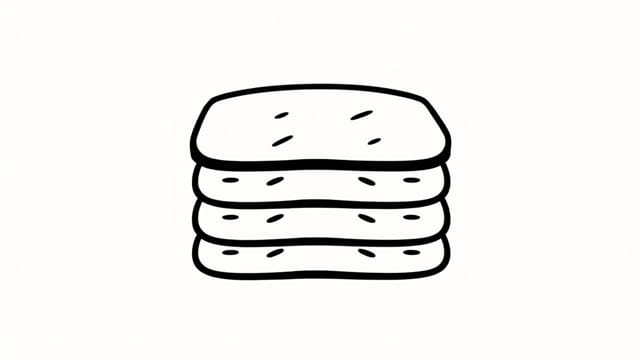
Nabisco Zwieback Toast holds a special place in the hearts of many who grew up enjoying its unique texture and subtly sweet flavor. Originally marketed as a teething biscuit for babies, it was also cherished by adults for its light, crisp bite and versatility in recipes. Though Nabisco discontinued the product, the love for zwieback toast remains strong, prompting home bakers to recreate it from scratch. Whether used as a base for cheesecake crusts, served with coffee or tea, or simply eaten as a snack, this twice-baked bread continues to have nostalgic and culinary value.
What Is Zwieback Toast?
Origins and Meaning
The word ‘zwieback’ comes from German, meaning ‘twice baked.’ True to its name, zwieback toast is made by baking a loaf of sweetened bread, slicing it, and then toasting each slice until dry and crisp. This process gives it a long shelf life and a firm texture that holds up well to liquids, making it excellent for dunking in drinks or as a crunchy component in desserts.
Nabisco’s Version
Nabisco’s zwieback toast was slightly sweet, with a soft golden color and a crunch that was firm yet not too hard. It was often used as a soothing food for young children, but many adults found it perfect with butter, jam, or alongside warm milk. After it disappeared from store shelves, many started looking for ways to recreate the product at home.
Homemade Nabisco Zwieback Toast Recipe
Ingredients
- 2 ½ cups all-purpose flour
- 1 packet (2 ¼ teaspoons) active dry yeast
- ¼ cup sugar
- ¾ teaspoon salt
- ½ cup whole milk
- ¼ cup water
- ¼ cup unsalted butter
- 1 large egg
- ½ teaspoon vanilla extract
Instructions
1. Prepare the Dough
In a small saucepan, combine the milk, water, and butter. Heat gently until warm but not hot (about 110°F or 43°C). In a large bowl, mix the flour, sugar, salt, and yeast. Add the warm liquid to the dry ingredients. Beat in the egg and vanilla extract. Mix until a soft dough forms. Knead for 810 minutes until the dough is smooth and elastic.
2. First Rise
Place the dough in a greased bowl, cover with a clean towel, and let it rise in a warm place until doubled in size, about 1 to 1.5 hours. The dough should feel airy and soft when it’s ready.
3. Shape and Second Rise
Punch down the risen dough and shape it into a loaf. Place in a greased 8×4 inch loaf pan. Cover again and let rise until the loaf is about 1 inch above the rim of the pan, approximately 45 minutes to an hour.
4. First Bake
Preheat your oven to 350°F (175°C). Bake the loaf for 3035 minutes, or until golden brown and a toothpick inserted in the center comes out clean. Let it cool completely on a wire rack. This step can be done a day ahead to ensure the bread is firm before slicing.
5. Slice and Second Bake
Once the bread is completely cool, slice it into ½ inch thick pieces. Lay the slices on a baking sheet lined with parchment paper. Toast the slices in a preheated 300°F (150°C) oven for 2025 minutes, flipping halfway through. The toast should be dry, crisp, and lightly golden. Let cool completely before storing.
Serving Suggestions for Zwieback Toast
With Butter or Jam
One of the simplest and most delightful ways to enjoy zwieback toast is with a pat of butter or a layer of jam. The crispness of the toast combined with a sweet or savory spread makes for a satisfying snack or breakfast option.
In Desserts
Crushed zwieback makes an excellent base for cheesecakes or trifles. Its dry texture holds up better than traditional graham crackers in layered desserts, and it adds a subtle, buttery sweetness.
With Milk or Tea
Much like biscotti, zwieback toast is wonderful for dipping. Its firm structure softens slightly in warm beverages, making it a nostalgic and comforting treat.
For Babies and Toddlers
While caution is always needed with young children, homemade zwieback toast can be a gentle snack for teething toddlers when supervised. Its firmness helps with soothing sore gums, and the mild flavor makes it a good introduction to solids.
Why Make Zwieback Toast at Home?
No Longer Commercially Available
Since Nabisco stopped producing zwieback toast, fans have struggled to find alternatives. Homemade versions allow you to recreate the texture and taste while also adjusting ingredients to suit dietary needs.
Customization
When you make zwieback toast at home, you control everything sweetness, spices, and even whether you want a wheat or gluten-free base. You can experiment with cinnamon, nutmeg, or honey for different flavors while still maintaining the classic structure of the toast.
Preservation and Storage
One of the best things about zwieback toast is its long shelf life when stored properly. Once cooled, store the slices in an airtight container for up to two weeks. They can also be frozen and quickly reheated in the oven.
Troubleshooting Common Problems
- Toast too soft: Make sure your slices are thick enough and that the second bake is long enough to fully dry them out.
- Crumbly texture: If the dough isn’t kneaded properly, the texture may not be elastic enough. Knead until smooth and stretchy.
- Too dry: Use full-fat milk and don’t overbake during the second bake. Monitor the color carefully.
Nutritional Information (Approximate per slice)
- Calories: 70
- Carbohydrates: 11g
- Protein: 2g
- Fat: 2g
- Sugar: 2g
- Fiber: 0.5g
These values can vary depending on the size of the slices and any additional ingredients used. Whole wheat flour or reduced sugar options can alter the nutrition profile accordingly.
Recreating the Nabisco Zwieback Toast recipe at home offers not just a delicious outcome but also a nostalgic journey into a beloved snack from the past. With a basic list of pantry staples and a little time, you can enjoy crisp, sweet, and satisfying zwieback toast just like the one many remember. Whether enjoyed on its own, with a hot drink, or as part of a dessert, homemade zwieback brings both flavor and tradition back to the table. For those missing the familiar box on store shelves, this recipe is a worthy replacement and a satisfying way to revive a classic.