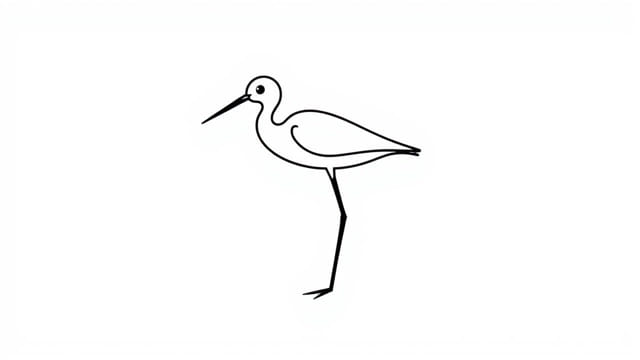
Crossword puzzle enthusiasts often encounter nature-themed clues that require a bit of general knowledge and wordplay to solve. One example that frequently appears in major crossword grids, including the New York Times and other publications, is the clue Marsh wader. While it may sound straightforward, this type of clue can refer to a wide variety of bird species or related terms, depending on the length of the answer and the puzzle’s theme. Understanding the meaning, possible solutions, and the reasoning behind them can greatly improve your ability to solve similar clues in the future.
Understanding the Clue ‘Marsh Wader’
The phrase marsh wader is used in crosswords to describe birds or animals typically found in marshy wetlands that wade through shallow waters. These creatures usually have long legs, slender bodies, and are known for feeding on insects, fish, and other small aquatic organisms. The term is intentionally broad, which allows for multiple correct answers based on letter count and intersecting clues.
Common Characteristics of Marsh Waders
To accurately guess the answer to marsh wader, it helps to know what kind of animals this description applies to. Here are a few characteristics that define marsh waders:
- Live or hunt in wetland, marsh, or estuary environments
- Have long legs adapted for walking through shallow water
- Often have long, narrow beaks for catching fish or probing mud
- Usually birds, although the clue could potentially refer to amphibians or even humans metaphorically
With these traits in mind, solvers can narrow down potential answers when they encounter the clue marsh wader in a crossword puzzle.
Possible Answers for ‘Marsh Wader’ Crossword Clue
Depending on the number of squares available and the overall puzzle structure, there are several possible answers for the clue. Each answer can vary slightly in meaning or specificity but fits within the general category of a wading bird or creature associated with marshland.
Most Common Answers
- EGRET A common five-letter answer. Egrets are white herons and are frequently seen wading in wetlands and marshes.
- HERON Another five-letter bird closely related to egrets. Herons are classic marsh waders and often appear in crosswords.
- IBIS A four-letter wading bird known for its curved beak and presence in swampy habitats.
- STILT Refers to birds with extremely long legs that wade in shallow water. The term also fits crossword-style language.
- RAIL A lesser-known bird found in marshes. It’s often used in crosswords for its short, convenient length.
- CRAKE Similar to a rail, and used occasionally when the puzzle demands a five-letter solution.
While these are among the most common solutions, others can appear depending on the constructor’s creativity and the puzzle’s theme.
Less Common but Acceptable Answers
- AVOCET A longer six-letter bird that lives in shallow waters. Not as common but still relevant.
- BITTERN A type of heron, also a marsh wader, occasionally used in crosswords for variation.
- SNIPE A bird known for elusive movement in wetlands; sometimes appears in trickier puzzles.
The best way to determine the right answer is to rely on the intersecting clues. Even if you’re unfamiliar with all these birds, knowing the most common names can help make an educated guess.
How to Approach Clues Like ‘Marsh Wader’
Many solvers get stuck on nature-related clues simply because they fall outside their area of interest. However, you don’t need to be a birdwatcher to solve clues like marsh wader. With a few logical strategies, you can tackle this and similar entries effectively.
Step-by-Step Strategy
- Check the number of letters required.This quickly narrows down the list of potential birds or animals.
- Look at the intersecting clues.Even one or two letters can dramatically improve your odds of guessing correctly.
- Think of common birds seen in wetlands.If the answer is five letters and ends in T, EGRET is a strong possibility.
- Eliminate exotic or obscure animals.Crossword constructors usually pick animals the general public would at least recognize by name.
Using this approach helps eliminate confusion and allows you to focus on probable answers rather than overthinking or guessing wildly.
Why This Clue Appears Frequently
Crossword constructors favor clues like marsh wader because of their versatility. Bird names such as EGRET, HERON, and IBIS have letters that fit well into crossword grids. Their vowel-heavy structure makes them useful for creating intersections with harder words or theme-related entries.
In addition, nature and animals are timeless topics that fit well into almost any themed or unthemed puzzle. They also offer enough ambiguity to challenge solvers without becoming unfairly difficult.
Examples from Past Puzzles
Let’s look at a few hypothetical examples to see how marsh wader might appear in a crossword:
- Clue: Marsh wader (5 letters) âEGRET
- Clue: Long-legged marsh bird (5 letters) âHERON
- Clue: Curved-bill wader (4 letters) âIBIS
- Clue: Slender-legged marsh walker (5 letters) âSTILT
In each case, the clue remains descriptive yet non-specific, allowing several possible answers to emerge based on the rest of the puzzle’s structure.
Similar Clues and Variants
If you encounter marsh wader, you might also come across variations such as:
- Wetland bird
- Long-legged water bird
- Shallow-water bird
- Swamp walker
These variants can all point to the same family of answers. Keeping a mental or written list of these birds can make a significant difference in your solving speed and accuracy.
Marsh Wader and Crossword Mastery
The crossword clue marsh wader might seem like a small challenge in the larger grid, but it reflects the kind of lateral thinking and general knowledge that makes crosswords enjoyable. With a foundation of common wading birds like egret, heron, and ibis, plus a few strategies to narrow down your options, you’ll be better prepared to spot and solve this clue in future puzzles.
Whether you’re tackling a beginner-friendly Monday puzzle or a complex Saturday challenge, clues like marsh wader remind us that language, science, and problem-solving all come together in the art of the crossword. And with each solved clue, your vocabulary and confidence continue to grow.