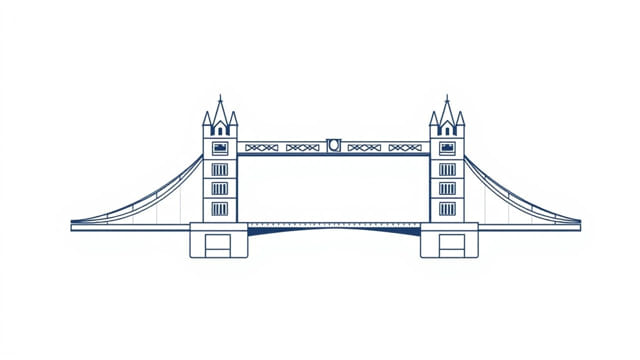
While London Bridge and Leif Erikson may at first appear unrelated, exploring them together opens a fascinating window into the historical interplay of Norse exploration, medieval architecture, and early contact between Scandinavia and the British Isles. Leif Erikson, a Norse explorer from the 10th century, is widely celebrated for his voyages to North America long before Columbus. Meanwhile, London Bridge stands as a symbol of British resilience and urban development across centuries. By examining their potential points of intersection, we gain a deeper appreciation for how Viking expeditions may have brushed against key landmarks of Anglo-Saxon England, including early iterations of the famous bridge across the Thames.
Leif Erikson: Norse Explorer of the Atlantic
Leif Erikson, son of Erik the Red, was born in Iceland around 970 CE. Raised in Greenland, he later embarked on daring expeditions westward. He is credited with discovering Vinland, a coastal area of North America believed to be part of modern-day Newfoundland in Canada. His journey marked one of the earliest recorded instances of Europeans setting foot in the New World. Erikson’s voyages were driven by the Norse tradition of exploration and trade, seeking new lands for resources and settlement.
Though his legacy is strongly associated with North America, Leif Erikson’s roots were deeply tied to Scandinavia and, by extension, the Viking incursions into the British Isles. Norse seafarers frequently raided, settled, and traded across England from the 8th to the 11th centuries. It is within this context that a connection to London and its bridge becomes historically plausible.
Viking Presence in England
During the era in which Leif Erikson lived, Vikings had already established a strong presence in England. The Danelaw, a region in northeastern England under Norse control, was a hub for Viking culture and governance. Norse warriors and settlers became integral parts of English life, influencing language, law, and local economies. London, as a strategic location on the River Thames, was a frequent target of Viking raids.
The original London Bridge, a series of wooden structures, was often rebuilt due to fire, decay, or destruction. Vikings are known to have targeted it on several occasions. One notable example is the 1014 attack led by King Olaf II of Norway, a contemporary of Leif Erikson. According to sagas, Olaf assisted the Anglo-Saxons in reclaiming London from Danish occupation by pulling down London Bridge using ships and ropes, though historians debate the accuracy of these details.
Could Leif Erikson Have Seen London Bridge?
There is no direct historical evidence proving that Leif Erikson visited London or saw London Bridge. However, based on his time and networks, it is not entirely implausible. As a prominent figure in a society that frequently traveled between Scandinavia, the British Isles, and beyond, Erikson may have passed through or had knowledge of London. The Norse sagas, while mythologized, provide clues to the interactions between Viking leaders and English rulers.
Some scholars argue that Leif may have served under King Olaf Tryggvason of Norway, who had political and military interests in England. If this is true, Erikson could have participated in naval campaigns along the English coast. Such involvement might have brought him to London or at least acquainted him with its strategic importance and the existence of its bridge.
Symbolism of the Bridge
London Bridge has long represented a vital link between different parts of the city and different eras of history. For Viking explorers, bridges such as this were not just architectural structures but potential military choke points and targets for conquest. The ability to control or destroy a bridge could determine the success of a campaign. For this reason, many Norse sagas included dramatic scenes involving the assault or defense of bridges.
Even if Leif Erikson never set foot on London Bridge, the concept of the bridge as both a literal crossing and a metaphorical link between cultures fits well into the broader narrative of his explorations. His journey to Vinland served as a bridge between continents, just as the structures spanning the Thames connected different realms of power in medieval England.
Historical and Cultural Legacy
Today, Leif Erikson is celebrated across North America and Scandinavia for his pioneering voyages. Statues of him stand in cities like Reykjavik, Boston, and Seattle. London Bridge, on the other hand, remains one of the most iconic landmarks in British history. Though the bridge seen today is a modern structure, its legacy is rooted in centuries of rebuilding, survival, and adaptation qualities shared by Viking culture itself.
Similarities in Symbolism
- Exploration and Connection: Both Leif Erikson and London Bridge symbolize the urge to explore, connect, and conquer new spaces.
- Resilience: Just as London Bridge was repeatedly destroyed and rebuilt, the Norse explorers were known for their resilience in facing unknown territories.
- Cultural Fusion: The blend of Norse and Anglo-Saxon influences in England echoes the symbolic crossing of worlds embodied in Erikson’s journey and the purpose of bridges themselves.
Legacy in Popular Culture
Leif Erikson’s legendary status and London Bridge’s long-standing fame have both made their way into popular culture. While children’s rhymes about London Bridge focus on its fall and repair, Erikson is the subject of novels, documentaries, and even animated portrayals. These representations often blur fact and fiction but serve to keep their stories alive in public memory.
In recent years, some alternative historical theories and fictional works have imagined encounters between Viking explorers like Leif and medieval landmarks such as London Bridge. These speculative narratives, while not supported by mainstream historians, highlight an enduring fascination with the idea of Norse warriors roaming the cities of England even its capital.
A Meeting of Two Histories
While there is no conclusive evidence that Leif Erikson ever stood on or near London Bridge, the intersection of Viking exploration and the history of England makes their association a compelling subject. Both figures one human, one architectural are steeped in tales of endurance, discovery, and historical transformation. By exploring the potential connections between them, we enrich our understanding of a formative period in European history, where seafarers crossed oceans and cities like London defended their rivers.
Ultimately, whether or not Leif Erikson ever saw London Bridge, the metaphorical links between Norse ambition and English resilience are undeniable. These parallel stories remind us how history is built not only on records and facts but also on the enduring human imagination that connects people, places, and pasts.