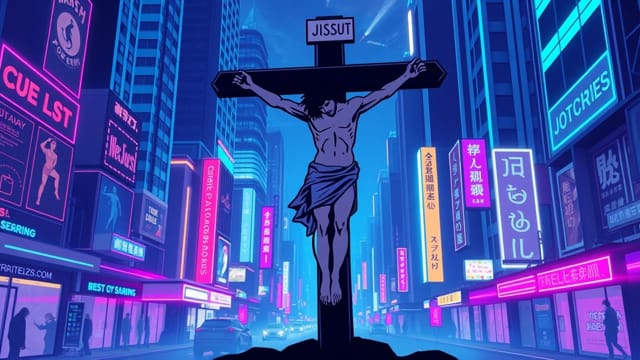
In the dark and morally complex world ofCyberpunk 2077, players often face difficult choices that blur the line between right and wrong. One of the most controversial and memorable side quests involves the characterJoshua Stephenson, a convicted murderer who seeks redemption in an unorthodox way. The mission leads to a moment where you can choose to let Joshua crucify himself on live television as part of a Braindance recording. This quest raises philosophical questions about justice, penance, and exploitation in a world dominated by media and corporate interests. Deciding whether to let Joshua crucify himself is not only a powerful narrative moment but also one of the most intense emotional experiences in the game.
Background: Who Is Joshua Stephenson?
The Prisoner Turned Prophet
Joshua Stephenson is introduced during the Sinnerman questline. He is a convicted killer who found religion while imprisoned. After a spiritual awakening, he believes that by publicly reenacting the crucifixion of Christ, he can inspire others, spread faith, and pay for his sins in the most literal way possible. Joshua is no longer driven by fear or desperation he is calm, articulate, and completely convinced that his self-crucifixion is an act of divine justice and purpose.
Meeting Joshua
You encounter Joshua while accompanying a man named Bill Jablonsky, who seeks revenge for the murder of his wife. However, when you meet Joshua, the story takes an unexpected turn. Rather than resisting, Joshua expresses sorrow and a desire for penance. This changes the tone of the mission and opens up deeper layers of narrative.
The Quest Progression
Sinnerman
The mission begins with a contract that seems like a simple revenge gig. But upon confronting Joshua, the moral ambiguity begins to surface. He invites you to join him and his spiritual advisor, Zuleikha, as he prepares for his final act. At this point, you can choose to leave, but if you stay, you are drawn deeper into his plan.
There Is A Light That Never Goes Out
In the next stage of the questline, you accompany Joshua to a diner and then to the Braindance studio where his crucifixion will be recorded. You have the option to question him, challenge his beliefs, or support him. Your dialogue choices here shape the tone of your relationship and influence whether the final scene is calm or confrontational.
They Won’t Go When I Go
This is the final part of the arc, where you can choose to either witness the crucifixion or walk away. If you remain, you will literally hold the nails and help Joshua as he is crucified. It’s a shocking, slow, and emotional sequence where you take part in his suffering not just as a spectator, but as an assistant.
Should You Let Joshua Crucify Himself?
Pros of Letting Him Go Through With It
- Respecting Agency: Joshua is not coerced. He believes in what he’s doing. Letting him proceed can be seen as honoring his autonomy.
- Spiritual Fulfillment: From Joshua’s point of view, this act is his redemption and a message to others seeking forgiveness.
- Narrative Impact: This is one of the most powerful moments in Cyberpunk 2077. Choosing to participate or witness creates a unique emotional experience that adds depth to your journey.
- Unlocks the Crucifixion Braindance: If you stay and participate, you receive a Braindance recording of the crucifixion, which becomes a collectible artifact in the game.
Cons and Ethical Dilemmas
- Exploitation: The recording is produced by a Braindance studio that profits from Joshua’s suffering. Is this redemption or media manipulation?
- Mental Health Questions: Some players interpret Joshua as delusional or mentally unstable, questioning the ethics of allowing his death.
- Player Involvement: Actively helping him with the crucifixion can be deeply disturbing and make the player question their role as V.
What Happens If You Say No?
Walking Away
If you choose not to participate or discourage Joshua, the quest ends with you leaving the studio. Joshua may still go through with the act off-screen, but you don’t take part or receive the Braindance. This path allows you to distance yourself morally, but it also means you miss out on one of the game’s most intense scenes.
Trying to Change His Mind
Throughout your conversations, you can attempt to talk Joshua out of his plan. Depending on your choices, he might express doubt or pain, but he rarely changes course. The quest is structured so that his decision is firm, regardless of your stance.
Thematic Implications
Religion and Redemption in Cyberpunk
The Joshua arc introduces rare themes in the dystopian world of Night City namely, faith, repentance, and sacrifice. In a game driven by tech, crime, and survival, this storyline adds a deeply human and tragic element. Joshua believes that amidst the chaos, true meaning comes through suffering, and that he can offer a message that transcends the noise of the city.
Corporate Control of Morality
Even in this sacred act, the presence of the Braindance studio reminds players that nothing in Night City is free from corporate control. The studio’s interest is profit, not faith. This dynamic adds another layer of unease what does it mean when your redemption becomes someone else’s entertainment?
Player Reflection and Impact
Emotional Weight
For many players, the crucifixion scene is one of the most uncomfortable moments in any video game. Whether you participate or watch, it challenges your perception of morality and involvement. Cyberpunk 2077 offers no easy answers only personal introspection.
Long-Term Consequences
There are no direct gameplay consequences tied to your choice with Joshua. However, it leaves a lasting emotional mark. It serves as a reflection of who your version of V is empathetic, indifferent, or ethically conflicted.
Letting Joshua crucify himself in Cyberpunk 2077 is not just a choice about life or death it’s a decision that echoes themes of autonomy, suffering, faith, and manipulation. Whether you choose to support his act, question it, or walk away, the questline serves as one of the game’s deepest moral examinations. Night City is filled with chaos, corruption, and violence, but Joshua’s story dares to ask: can redemption exist in a world like this, or is even that corrupted by profit and spectacle? Your decision becomes part of that answer.