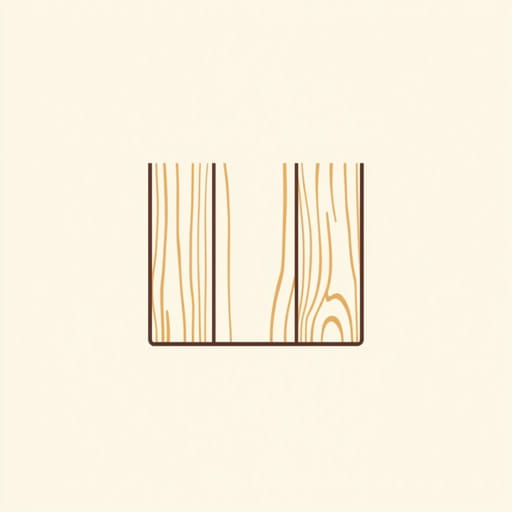
Knotty pine tongue and groove is a popular choice for interior wood paneling, flooring, and ceilings that offers a warm, rustic aesthetic while providing durability and ease of installation. This type of wood features distinct knots that add character and charm, combined with the tongue and groove joint system that ensures tight, seamless connections between boards. Whether used in cabins, homes, or commercial spaces, knotty pine tongue and groove boards create inviting spaces with natural beauty. Understanding the features, benefits, installation methods, and maintenance tips can help you decide if this material is right for your next project.
What is Knotty Pine Tongue and Groove?
Knotty pine refers to pine wood that prominently displays natural knots and variations, giving each board a unique and textured look. The tongue and groove is a woodworking method where each board has a protruding ‘tongue’ on one side and a matching ‘groove’ on the other, allowing the boards to interlock tightly. This design provides a smooth, even surface without visible gaps.
Characteristics of Knotty Pine
- Distinctive Knots: Knots vary in size and pattern, offering a rustic, natural appearance.
- Light Color: Typically ranges from creamy white to a warm golden hue.
- Softwood: Pine is softer than hardwoods but still sturdy enough for many applications.
- Grain Pattern: Pronounced grain lines enhance visual texture.
Benefits of Using Knotty Pine Tongue and Groove
Knotty pine tongue and groove boards provide numerous advantages, making them a popular choice for both aesthetic and practical reasons.
Rustic and Cozy Appearance
The natural knots and warm tones create an inviting atmosphere that suits cabins, cottages, and country-style homes. The textured look also adds depth and character to any room.
Easy Installation
The tongue and groove joint simplifies installation by ensuring each board fits snugly into the next. This results in a stable surface and reduces the likelihood of warping or gaps over time.
Versatility
Knotty pine tongue and groove boards can be used for walls, ceilings, flooring, and even furniture. Their adaptable nature means they fit various interior design styles from rustic to modern farmhouse.
Cost-Effective
Pine is generally less expensive than many hardwoods, making knotty pine tongue and groove an affordable option without sacrificing quality or aesthetics.
Common Uses of Knotty Pine Tongue and Groove
This wood type is highly versatile and popular in a variety of settings and applications.
Wall Paneling
Installing knotty pine tongue and groove panels on walls adds warmth and texture, creating a feature wall or full room coverage that enhances interior design.
Ceilings
Wood-paneled ceilings using tongue and groove boards provide a unique architectural detail that draws the eye upward and adds character.
Flooring
While softer than hardwood flooring, pine tongue and groove can be used for flooring in low-traffic areas or where a rustic feel is desired.
Cabinetry and Furniture
Smaller boards are often used in custom furniture or cabinetry, showcasing the beautiful knots and grain.
Installation Tips for Knotty Pine Tongue and Groove
Proper installation is key to ensuring durability and a polished finish.
Acclimate the Wood
Allow the boards to acclimate to your home’s environment for several days to reduce expansion or contraction after installation.
Prepare the Surface
Ensure walls or ceilings are clean, dry, and flat. Use appropriate backing such as plywood or drywall.
Start from a Level Base
Begin installation from a corner or straight edge, using a level to maintain alignment.
Use the Right Tools
- Nail gun or hammer for securing boards
- Saw for cutting boards to length
- Measuring tape and level
Leave Expansion Gaps
Leave small gaps at edges to allow for natural wood expansion and contraction, covering them with trim or molding.
Finishing and Maintenance
Finishing your knotty pine tongue and groove boards enhances durability and appearance.
Finishing Options
- Clear Varnish or Polyurethane: Protects wood while maintaining natural color.
- Staining: Adds color and highlights grain, available in various shades.
- Paint: For a different aesthetic, painting can modernize or brighten the space.
Maintenance Tips
- Regular dusting and cleaning with a soft cloth
- Avoid excessive moisture to prevent warping or mildew
- Periodic reapplication of finish depending on wear
Potential Drawbacks
While knotty pine tongue and groove is attractive and functional, it has some considerations:
- Softness: Prone to dents and scratches more easily than hardwoods.
- Knots: While decorative, knots can sometimes loosen or cause imperfections.
- Expansion: Wood expands and contracts with humidity changes, requiring proper installation and finishing.
Where to Buy Knotty Pine Tongue and Groove
Many lumber yards, home improvement stores, and specialty wood suppliers stock knotty pine tongue and groove boards. When purchasing, inspect for consistent quality and check for warping or excessive defects.
Knotty pine tongue and groove is an excellent material for those seeking natural beauty combined with functional design. Its rustic charm and versatility make it suitable for a variety of interior projects, from wall paneling to ceilings and furniture. With proper installation and care, knotty pine tongue and groove can transform any space into a warm, inviting environment that showcases timeless wood craftsmanship.