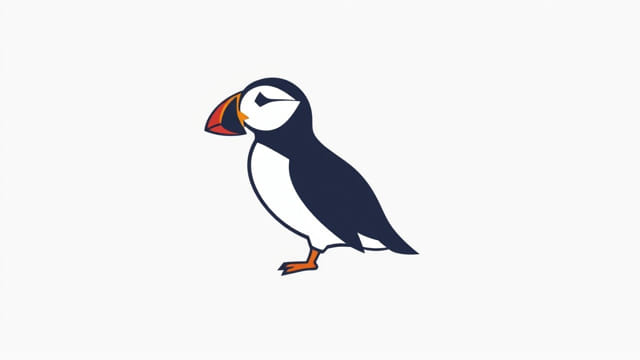
Among the many seabirds that populate the northern oceans, puffins have captured the imagination of bird watchers and nature lovers alike. However, one lesser-known and often misunderstood species is the so-called knife billed puffin. While not formally recognized in mainstream ornithological literature, the term has appeared in some regional or fictional contexts, sparking curiosity about whether this bird truly exists or is a variation or misidentification of a known puffin species. Exploring the facts and speculation surrounding the knife billed puffin offers a glimpse into the world of seabirds, taxonomy, and how common names can sometimes lead to confusion.
The Puffin Family Overview
Recognized Puffin Species
Before delving into the knife billed puffin, it’s important to understand the recognized members of the puffin family. Puffins are seabirds that belong to the genusFraterculawithin the auk family (Alcidae). There are three officially recognized species:
- Atlantic Puffin(Fratercula arctica) Found in the North Atlantic.
- Horned Puffin(Fratercula corniculata) Native to the North Pacific.
- Tufted Puffin(Fratercula cirrhata) Also inhabits the North Pacific, notable for its golden tufts.
Each of these puffins is known for its colorful beak during the breeding season, strong swimming ability, and preference for nesting on coastal cliffs or islands.
What Is the Knife Billed Puffin?
Uncertainty in Classification
The term ‘knife billed puffin’ does not appear in official scientific databases or global avian registries such as the International Ornithologists’ Union (IOU). It is not listed as a distinct species in any modern field guide or ornithological text. That said, the name is sometimes used in casual references, potentially describing a puffin or auk-like bird with a sharp, elongated beak reminiscent of a knife blade.
Possible Explanations
There are several possibilities for the origin of this name:
- Misidentification: The knife billed puffin could be a mislabeling of a known species, such as the horned puffin, which has a striking beak shape when viewed in profile.
- Regional Name: In some coastal communities, birds are given colloquial names based on appearance. ‘Knife billed puffin’ may be one such nickname.
- Fictional or Artistic Invention: It’s also plausible that the term arises from creative works, blending elements of different birds into a fictional creature.
Beak Shape and Its Significance
Evolution of the Puffin’s Beak
Puffin beaks are one of their most distinctive features. Brightly colored and triangular in shape, the beak plays a role in both feeding and mating. During the breeding season, puffins’ bills become more vibrant, thought to signal health and readiness to mate.
Sharp-Beaked Variants
While no puffin truly has a ‘knife-like’ beak, some individual variations or photographic angles may give the illusion of a sharper bill. Horned puffins, in particular, have beaks that can look pointed and narrow, especially from certain perspectives or in molting phases.
Ecological Role of Puffins
Habitat and Range
Puffins spend most of their lives at sea, diving for small fish and navigating the cold northern waters. They return to land only during the breeding season to nest in burrows or rocky crevices. The North Atlantic and North Pacific are home to the largest puffin colonies, particularly in regions like Iceland, Norway, Alaska, and the Russian Far East.
Feeding Behavior
Puffins are excellent swimmers, using their wings like flippers to propel themselves underwater. They typically feed on:
- Herring
- Sand eels
- Capelin
- Small crustaceans
Their sharp beaks allow them to catch and carry multiple fish at a time, sometimes over a dozen, held sideways in their mouths thanks to specialized spines on their tongues and upper palates.
Conservation and Public Perception
Threats to Puffin Populations
Though charismatic and beloved, puffins are facing growing threats. Climate change, overfishing, and habitat destruction are impacting puffin food sources and breeding success. The Atlantic puffin, for example, is listed as vulnerable on the IUCN Red List due to rapid population declines in parts of its range.
Misunderstandings Due to Naming
Names like ‘knife billed puffin’ can lead to misinformation, especially online. People might assume it’s a dangerous or aggressive species, or a recently discovered bird. Such confusion underscores the importance of using correct scientific names when discussing wildlife, especially in educational and conservation contexts.
Why the Knife Billed Puffin Captures Imagination
Symbolic Interpretation
Birds with exaggerated or unique features often become symbolic in literature or storytelling. A knife billed puffin may be used metaphorically in fictional tales to represent sharpness, precision, or survival in harsh conditions. The imagery of a seabird with a blade-like beak soaring above the ocean has a poetic appeal, even if it doesn’t match biological reality.
Influence of Pop Culture
In popular culture, hybrids or exaggerated animals often gain traction in video games, animated films, or fantasy novels. A knife billed puffin could be a product of such storytelling, designed to capture attention and enhance fictional narratives based on real-world animals.
Bird Identification and Public Education
The Role of Citizen Science
Birdwatchers and amateur naturalists play an important role in documenting and identifying species. When an unusual name like ‘knife billed puffin’ surfaces, it’s often helpful for such individuals to report sightings, share photographs, and consult with local birding groups or ornithologists. These efforts prevent misclassification and help maintain scientific accuracy in public discourse.
Educational Opportunities
This situation also highlights an opportunity to teach people about how bird names are formalized. Understanding how a species is named and classified based on its genus, species, morphology, and DNA can empower the public to better appreciate biodiversity and question misinformation they encounter.
Clarity Behind the Name
Although the knife billed puffin is not recognized as a legitimate species, the term reflects how easily names can blur the lines between real and imagined wildlife. Whether it’s a local nickname, a misinterpretation, or a fictional creation, the fascination it generates proves our ongoing curiosity about the natural world. Exploring terms like this leads to broader conversations about puffin biology, conservation, and the importance of precise language in nature education. As we continue to learn more about seabirds and their behaviors, separating myth from reality ensures that true species like the Atlantic, horned, and tufted puffins get the attention and protection they rightly deserve.