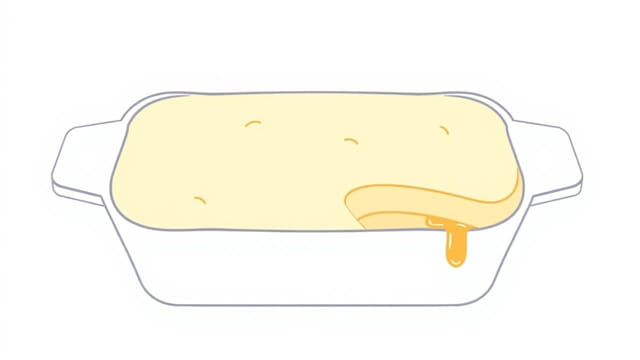
Knafeh is a beloved Middle Eastern dessert known for its golden, crisp exterior and soft, creamy interior. While traditional recipes often include cheese as a central component, it is entirely possible to create a satisfying, indulgent knafeh recipe with semolina and no cheese. This version brings the essence of the dish using simple pantry ingredients, ideal for those who are avoiding dairy or prefer a lighter alternative. The semolina creates a luscious custard-like base, while the signature sugar syrup adds the perfect touch of sweetness. Whether you’re familiar with knafeh or trying it for the first time, this variation offers all the delight of the original, with its own unique charm.
What is Knafeh?
Knafeh, also spelled kanafeh or kunafa, is a traditional Middle Eastern dessert that’s especially popular in Lebanon, Palestine, Jordan, Syria, and Egypt. It typically features shredded phyllo dough or semolina, layered with a filling usually cheese and soaked in orange blossom or rose-flavored sugar syrup. In this version, however, semolina becomes the star without any cheese, offering a delicious twist on the classic dessert while preserving its rich texture and flavor.
Ingredients for Semolina Knafeh Without Cheese
To prepare this no-cheese knafeh, you’ll need basic ingredients that are likely already in your kitchen. Here’s a breakdown of the ingredients required for the base, topping, and syrup.
For the semolina base:
- 1 cup semolina (fine variety)
- 2 tablespoons cornstarch
- 2 tablespoons sugar
- 2½ cups milk (or plant-based milk if preferred)
- 2 tablespoons butter or margarine
- 1 teaspoon vanilla extract
- 1 tablespoon orange blossom water (optional)
For the crust layer:
- 1 cup fine semolina or kunafa dough (shredded phyllo optional)
- ¼ cup melted butter or margarine
- 1 tablespoon sugar
For the syrup:
- 1 cup sugar
- ½ cup water
- ½ tablespoon lemon juice
- 1 tablespoon rose water or orange blossom water
Step-by-Step Instructions
This no-cheese knafeh recipe is fairly simple and doesn’t require specialty ingredients or tools. Follow these steps to create a smooth, creamy, and fragrant dessert.
1. Make the semolina custard filling
In a saucepan over medium heat, combine the semolina, cornstarch, sugar, and milk. Stir continuously to prevent lumps from forming. As the mixture heats, it will begin to thicken into a pudding-like consistency. Once thickened, remove from heat and stir in the butter, vanilla extract, and orange blossom water if using. Set aside to cool slightly while you prepare the crust layer.
2. Prepare the crust
In a mixing bowl, combine the semolina (or kunafa dough), melted butter, and sugar. Mix until all the semolina is well-coated and crumbly. If using kunafa dough, make sure it is shredded finely. Press this mixture into the base of a greased 9-inch round cake pan or baking dish. Use a flat-bottomed cup or spatula to press it down evenly and firmly to form a crust.
3. Assemble the knafeh
Once the crust is packed and even, pour the semolina custard over the top and spread it gently with a spatula. Make sure the surface is smooth and even. If desired, you can sprinkle a little extra semolina over the top for a textured finish.
4. Bake to perfection
Preheat your oven to 180°C (350°F). Bake the assembled knafeh for 3035 minutes or until the edges turn golden and the top sets. For an extra golden crust, you can broil the top for an additional 23 minutes but watch it carefully to avoid burning.
5. Prepare the sugar syrup
While the knafeh is baking, make the sugar syrup. In a small saucepan, combine the sugar and water and bring to a gentle boil. Add the lemon juice and reduce the heat, letting it simmer for 78 minutes until slightly thickened. Remove from heat and stir in the rose water or orange blossom water. Allow it to cool before pouring over the warm dessert.
6. Add the finishing touches
Once baked, let the knafeh rest for 5 minutes before pouring the syrup evenly over the top. Allow the dessert to absorb the syrup before slicing. Optionally, garnish with crushed pistachios or shredded coconut for added texture and flavor.
Tips for the Perfect Semolina Knafeh Without Cheese
- Use fine semolina: This helps achieve a smoother custard and a more delicate texture overall.
- Don’t skip the syrup: It’s what gives knafeh its signature sweetness and sticky finish.
- Cool slightly before cutting: Letting it rest helps the custard set, making it easier to slice clean portions.
- Add flavor variety: Experiment with cardamom, cinnamon, or a bit of nutmeg for a spiced twist.
- Customize with toppings: Chopped nuts, shredded coconut, or dried rose petals can add elegance and crunch.
Why Choose a No-Cheese Knafeh?
There are several reasons one might prefer this cheese-free version of knafeh. It could be due to dietary restrictions, lactose intolerance, or simply a desire to try something lighter and different. The semolina custard provides a creamy alternative that’s still rich and comforting. It also simplifies the preparation process by avoiding specialty cheeses, making this recipe more accessible to home cooks everywhere.
Serving Suggestions
Knafeh is best served warm, though it can be enjoyed at room temperature as well. Pair it with strong black tea, Arabic coffee, or mint-infused green tea for a complete Middle Eastern dessert experience. Whether served after a family meal or at festive gatherings, this version of knafeh is sure to please everyone regardless of whether they’re familiar with the traditional version.
Storing and Reheating
Leftovers can be stored in an airtight container in the refrigerator for up to 3 days. To reheat, place individual slices in the microwave for 2030 seconds or warm the whole tray in a low oven. If the knafeh has absorbed too much syrup and feels dry, you can drizzle a small amount of warm syrup on top before reheating.
This no-cheese knafeh recipe with semolina offers a delightful alternative to the traditional version, without compromising on flavor or texture. It’s a crowd-pleasing dessert that brings the warmth of Middle Eastern kitchens to your table, with a simpler and more accessible preparation. Whether you’re new to knafeh or a longtime fan, this variation is worth trying. Light, sweet, and beautifully spiced, it’s a recipe you’ll want to make again and again.