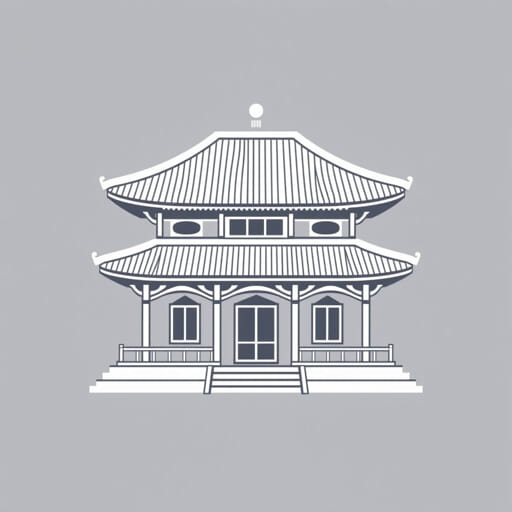
Located in the scenic foothills of Xuanweng Mountain, just outside the city of Taiyuan in Shanxi Province, Jinci Temple is one of China’s most historically and culturally significant religious complexes. With over 1,400 years of history, Jinci Temple is a living museum of ancient Chinese architecture, art, and Confucian reverence. Often overlooked by mainstream tourism, this heritage site is a hidden gem that blends natural beauty, sacred tradition, and impressive craftsmanship. Visitors from around the world come to Jinci not only to admire its aesthetic beauty but also to gain insight into Chinese religious customs and dynastic history.
Historical Background of Jinci Temple
Jinci Temple is believed to have been built during the Northern Wei Dynasty, though its most significant structures date from the Song, Jin, Yuan, Ming, and Qing dynasties. Originally constructed to honor Shu Yu of Tang, a revered founding ancestor of the Jin State, Jinci has transformed over centuries into a grand complex of halls, pavilions, bridges, and statues. The temple’s long history reflects the political and religious shifts in Chinese civilization over a millennium.
Connection to the Jin State
The temple was named after the Jin State and served as a place of ancestral worship. It combines Confucian, Buddhist, and Daoist elements, making it a rare example of religious syncretism in early Chinese history. Emperors and scholars alike have visited or written about Jinci Temple, adding layers of historical and cultural significance.
Architectural Highlights
Jinci Temple is famous for its elegant wooden structures, ancient stone bridges, beautifully landscaped gardens, and well-preserved sculptures. The layout reflects traditional Chinese feng shui principles, harmonizing natural elements with human-made spaces.
Saint Mother Hall (Shengmu Hall)
- Built during the Northern Song Dynasty (around 1032 AD).
- Dedicated to the mother of Shu Yu of Tang.
- Considered one of the oldest and finest wooden structures in China.
- Famed for its painted sculptures of maidservants, each with unique facial expressions and attire.
Shengmu Hall stands as the architectural centerpiece of the complex and exemplifies Song Dynasty aesthetics, with upturned eaves, exquisite carvings, and a sloped roof that has survived natural disasters and centuries of weathering.
Flying Bridge Across the Fish Pond
This elegantly designed stone bridge is one of the most photographed features of Jinci Temple. It reflects the artistic innovation of early Chinese engineers, with its graceful curves and the interplay of water and stone. The bridge not only connects structures but also serves as a symbolic passage between the earthly and the sacred.
Offering Pavilion and Bell Tower
These smaller buildings are adorned with ancient inscriptions and intricate woodwork. The Bell Tower houses a massive bronze bell that was used to mark ceremonies and important events in the temple’s calendar. The Offering Pavilion, meanwhile, was used for rituals and storing sacred offerings made by pilgrims and officials.
Art and Sculpture
Jinci Temple is home to a remarkable collection of ancient Chinese art. From frescoes and wooden carvings to clay statues and stone steles, the temple serves as a vast gallery of dynastic Chinese creativity.
Clay Figures of Maidservants
Within Saint Mother Hall, visitors will find 43 life-sized clay sculptures of maidservants, dating back to the Song Dynasty. Each figure is distinct in posture, expression, and dress, offering a window into court life and aesthetics of the era. These figures are not only religious artifacts but also anthropological treasures.
Inscriptions and Calligraphy
The temple walls and steles feature writings from famous Chinese scholars and emperors. These inscriptions offer insight into historical events and serve as primary sources for the study of Chinese epigraphy and literary heritage. Some are written in elegant regular script while others use the more cursive forms, reflecting personal expression and stylistic trends of their time.
Natural Beauty and Sacred Springs
Jinci Temple is not only a man-made marvel but also a natural sanctuary. Surrounded by cypress and pine trees, with streams running through its grounds, the temple was built around the sacred Nanlao Spring, which flows continuously throughout the year. The spring was considered a divine source of life and has been integrated into the temple’s religious practices and architecture.
Nanlao Spring
- Serves as the spiritual heart of the temple grounds.
- Believed to have healing properties.
- Provides fresh water for the temple’s ponds and vegetation.
The spring and its surrounding pools create a tranquil atmosphere, making it a favorite spot for meditation and reflection among monks and visitors alike.
Religious and Cultural Significance
Jinci Temple is not a Buddhist temple in the conventional sense. Instead, it is a blend of Confucian ancestral worship and Daoist philosophy, with some Buddhist influence. This makes the temple unique in its spiritual diversity and an excellent example of how different traditions coexisted in ancient China.
Festivals and Rituals
While the temple no longer serves as an active religious site, traditional ceremonies are sometimes reenacted during festivals. These include offerings to ancestral spirits, musical performances, and guided educational tours aimed at preserving cultural heritage.
Visiting Jinci Temple Today
Modern travelers can easily access Jinci Temple from Taiyuan city. It’s about 25 kilometers southwest of the city center, and public transportation or private taxis are readily available. The best time to visit is during spring and autumn when the weather is mild, and the natural surroundings are at their most picturesque.
Visitor Information
- Opening Hours: Typically from 8:00 AM to 6:00 PM daily.
- Entrance Fee: Usually modest, with discounts for students and seniors.
- Facilities: On-site rest areas, tea houses, and souvenir shops are available.
Guided tours are recommended for those interested in the historical and cultural layers of the site. English-speaking guides can be arranged in advance through local tour operators.
Preservation Efforts
Due to its historical importance, Jinci Temple has been the focus of several conservation projects initiated by the Chinese government and international heritage organizations. These efforts aim to stabilize the aging wooden structures, protect sculptures from environmental damage, and maintain the temple’s integrity as a living historical site.
Technology, such as 3D scanning and digital archiving, is also being used to ensure that even if time or disaster threatens the physical temple, its memory and design can be preserved for future generations.
Jinci Temple in Taiyuan, China, stands as a testament to the spiritual, architectural, and artistic achievements of ancient Chinese civilization. From its intricately carved halls and serene gardens to its historical inscriptions and flowing springs, the temple offers a profound journey into the heart of China’s cultural soul. Whether you’re a history enthusiast, an art lover, or a traveler seeking peace, Jinci Temple is a destination that resonates far beyond its walls. Its blend of nature and craftsmanship ensures that every visit is both enlightening and deeply moving.