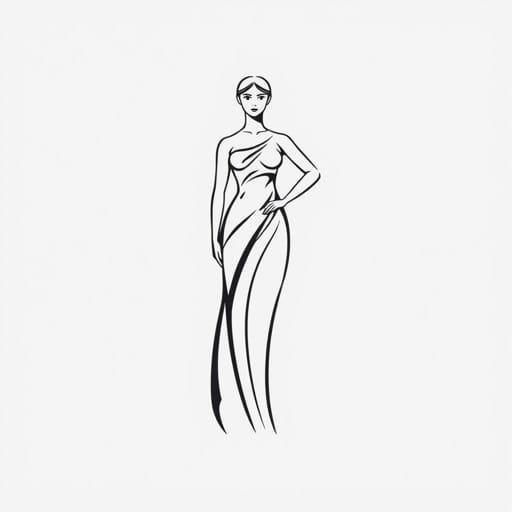
When someone uses the word ‘statuesque’ to describe another person, especially a woman, it might spark curiosity about whether the term is meant as a compliment. The word carries a strong visual connotation, often evoking images of grace, elegance, and imposing beauty. It is a word that suggests presence, stature, and admiration, but context and tone matter. To understand whether statuesque is always complimentary, it’s important to explore its meanings, origins, cultural usage, and how it is perceived in different settings.
Understanding the Meaning of Statuesque
Definition and Connotation
The term statuesque is defined as having a tall, graceful, and dignified appearance, much like a statue. It is typically used to describe women, though not exclusively. The image that comes to mind is that of a poised and elegant figure, standing tall with a certain grandeur. Because of this association, the word is often linked to positive attributes such as beauty, grace, and sophistication.
However, while many view the word favorably, its reception can depend on the individual being described. For some, being compared to a statue can imply stillness, coldness, or being unapproachable, which may not always be flattering.
Root and Linguistic Origin
Statuesque is derived from the noun statue and the suffix -esque, which means in the style of. Essentially, it means in the style of a statue. Statues, particularly classical sculptures, have long represented idealized beauty and symmetry, which is why the adjective took on a complimentary tone when used for people.
Statuesque in Compliments and Social Conversation
When Statuesque Is a Compliment
In many cases, describing someone as statuesque is meant to express admiration for their physical form. It is frequently associated with:
- Tall and elegant posture
- Poise and confidence
- Refined and classic beauty
- Fashion model-like presence
Fashion magazines, photographers, and stylists often use the term to celebrate a person’s height and elegance. In these contexts, statuesque serves as high praise, highlighting qualities that are admired in visual presentation and style.
Possible Negative Interpretations
While generally positive, statuesque can be interpreted in a neutral or even negative way if used carelessly. Some might feel that the word emphasizes physical form over personality, or that it reduces someone to their appearance. Others may not appreciate the implication of being like a statue, which might suggest stiffness, aloofness, or a lack of emotional warmth.
It’s also possible for someone who doesn’t identify with the characteristics associated with the word to feel misunderstood or mislabeled. For example, a person who is tall but self-conscious about it might not appreciate being called statuesque, even if it’s meant as a compliment.
Cultural and Media Influences
Portrayal in Film and Fashion
The word statuesque is frequently used in media to describe leading women who embody a regal and graceful demeanor. Actresses, models, and celebrities are often praised for having a statuesque presence on the red carpet or in editorial spreads. This repeated use reinforces the idea that the term is synonymous with beauty and prestige.
In fashion, a statuesque figure is typically seen as ideal for wearing certain styles of clothing that require height and structure. This has led to the term being strongly associated with runway models and haute couture.
Changing Perceptions and Inclusivity
Modern culture has become more inclusive of different body types, beauty standards, and styles of expression. As a result, words like statuesque are sometimes viewed through a more critical lens. While still considered a compliment by many, there is a growing awareness of the need to celebrate diverse forms of beauty, not just those that align with tall, classical aesthetics.
How to Use the Word Appropriately
Consider the Context
When using the word statuesque, it’s important to consider the context and the individual’s personality. Is the term being used to genuinely praise someone’s elegance and grace? Does the person embrace the image being projected? If so, the word will likely be received as a thoughtful and positive remark.
Match the Tone
The tone in which the word is delivered can affect its impact. A sincere compliment given in a respectful and appreciative tone will usually be welcomed. On the other hand, a sarcastic or patronizing tone can strip the word of its elegance and turn it into something unwelcome.
Know Your Audience
Not everyone values the same traits. While one person might love being called statuesque, another might prefer words that focus on intellect, kindness, or creativity. When complimenting someone, it’s best to align your words with what they value most about themselves.
Examples of Usage in Sentences
- She entered the room with a statuesque grace that turned every head.
- The statuesque figure in the portrait was modeled after a Greek goddess.
- Her statuesque beauty made her the perfect choice for the lead role.
- Though she was statuesque, she always made people feel comfortable and welcome.
These examples demonstrate how the word statuesque can be used in a way that highlights elegance, charm, and respect. When used with care and intention, it can be a powerful word of praise.
Is Statuesque Truly a Compliment?
Yes, statuesque is generally regarded as a compliment. It suggests elegance, grace, confidence, and classic beauty. However, as with any compliment, the way it is received depends on the individual, the setting, and the way it is expressed. In most cases, especially in fashion, media, and social settings, calling someone statuesque is meant to show admiration. But in an increasingly inclusive world, sensitivity to language is vital. Understanding the deeper meanings and associations of words like statuesque allows for more thoughtful communication and genuine compliments.
Ultimately, statuesque is a word rich with history and visual imagery. When used respectfully and sincerely, it carries the power to uplift, inspire, and honor someone’s presence and beauty.