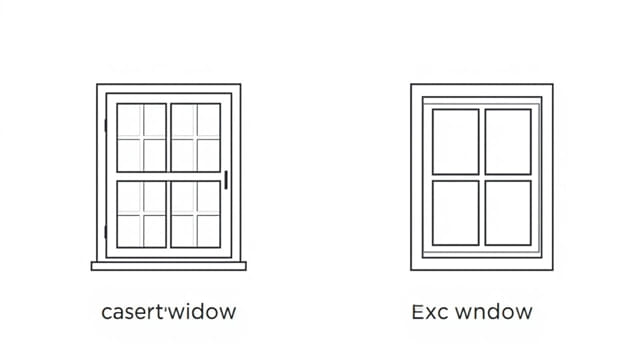
When it comes to choosing the right window for a bedroom, basement, or any living space that must meet safety regulations, many homeowners find themselves asking whether a casement window qualifies as an egress window. Egress windows are essential for providing a safe escape route in the event of an emergency such as a fire. Casement windows, known for their side-hinged operation and excellent ventilation, often come up in discussions about egress options. However, meeting building codes is more than just preference it requires an understanding of specific measurements, accessibility, and functionality. This topic explores in detail whether a casement window can serve as an egress window and what homeowners need to consider.
Understanding Egress Window Requirements
What Is an Egress Window?
An egress window is defined by building codes as a window large enough, and easy enough to open, that it allows a person to escape in an emergency. It also allows first responders to enter if necessary. While egress windows are most commonly required in bedrooms and basements, they are essential anywhere living space is below grade or where an exit door is not nearby.
Minimum Code Specifications
According to the International Residential Code (IRC), an egress window must meet the following requirements:
- A minimum opening area of 5.7 square feet (5.0 square feet for ground-floor windows)
- A minimum opening height of 24 inches
- A minimum opening width of 20 inches
- A maximum sill height of 44 inches from the floor
- It must be operable from the inside without keys, tools, or special knowledge
These measurements are based on the actual clear opening, not the glass size or frame size. This is where casement windows can often shine.
What Is a Casement Window?
Design and Functionality
Casement windows are hinged on the side and open outward like a door, usually using a hand crank. They offer an unobstructed view, excellent ventilation, and tight sealing when closed. Because they swing completely open, they can provide a larger clear opening than sliding or double-hung windows of the same size.
Types of Casement Windows
Casement windows come in several styles:
- Single casement opens from one side
- French casement dual panels with no center post
- Push-out casement opened by pushing rather than cranking
Each type can potentially qualify as an egress window if it meets the required dimensions and functionality.
Are Casement Windows Egress-Compliant?
Why Casement Windows Often Qualify
One of the most common questions is whether a casement window is considered an egress window. The short answer is: yes, casement windows can be used as egress windows provided they meet the required size and operation criteria. In fact, they often surpass the minimum opening requirements because they don’t have a sliding sash or horizontal rail obstructing the opening.
Casement Window Advantages for Egress
- Clear Opening: The full sash swings open, offering nearly the entire window space for egress.
- Ease of Operation: Crank systems are usually simple to use for children or elderly occupants.
- Design Flexibility: Available in many sizes and styles to fit different architectural needs.
Potential Challenges
Despite their advantages, there are still potential limitations to using a casement window as an egress window:
- Crank Mechanism: It must not require tools or keys to operate in an emergency. Faulty or complicated mechanisms can hinder escape.
- Obstruction Risks: If window wells are involved, the well must provide adequate clearance for the window to fully open.
- Size Restrictions: Some casement windows may have sash sizes that don’t allow for a full 5.7 square feet of clearance.
Using Casement Windows in Basements
Window Wells and Clearance
Basement egress windows often require a window well to provide a path to the surface. When using a casement window in a basement, the well must:
- Be at least 9 square feet in area
- Have a projection of at least 36 inches from the window
- Include a ladder or steps if it is deeper than 44 inches
These regulations ensure the person escaping can not only open the window, but also climb out of the window well safely.
Energy Efficiency and Safety
Modern casement windows come with insulated glass and tight seals, which make them energy efficient an important consideration for basement windows. Additionally, many models offer security locks that still allow for quick release in an emergency.
Installing a Casement Egress Window
Proper Placement
When installing a casement egress window, it should be located where it can be easily reached and opened. Avoid placing large furniture or fixtures that could block access.
Consult Building Codes
Before installation, always check local building codes, as some regions may have stricter requirements than the IRC. Getting the right permits and inspections is crucial to ensure the window passes final approval.
Professional Installation vs DIY
Though a competent DIYer might be able to install a casement window, professional installation is often recommended especially for basement locations or if structural modifications are needed. Professionals understand how to properly flash and seal the window to prevent leaks and meet code standards.
A Practical Egress Option
So, is a casement window an egress window? Yes, as long as it meets all required dimensions and can be opened easily without tools, it qualifies. In fact, casement windows are often ideal for this purpose because of their wide, unobstructed openings. When used correctly, they provide not only a safe emergency exit but also add style, light, and ventilation to your home. Whether for a basement renovation, new bedroom, or attic space, a well-chosen casement egress window is both a smart and compliant solution for safety and comfort.