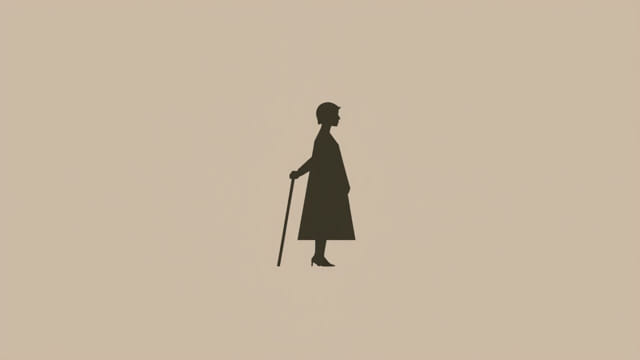
Invalidism and identity in nineteenth century Britain reveal how health, gender, class, and culture intersected in complex ways during the Victorian era. Being an invalid someone chronically ill or considered physically incapable was not merely a medical condition but also a social status. Illness shaped not just daily life but personal identity, moral worth, and one’s role in society. Throughout the 1800s, the concept of invalidism expanded, particularly among women and the middle and upper classes, reflecting broader cultural anxieties about modernity, gender roles, and moral purity. This phenomenon provides a unique lens into how health was experienced, perceived, and used as a framework for understanding the self in Victorian Britain.
The Cultural Context of Invalidism
Victorian Health Ideals and Fear of Decline
In nineteenth century Britain, physical health was linked to personal morality, productivity, and even national strength. The body was considered a reflection of inner virtue, and illness especially chronic illness often carried social and moral connotations. Invalidism, as a sustained state of poor health, emerged in response to these cultural ideals. For many, being an invalid meant existing in a space between sickness and health, often defined by subjective symptoms like weakness, fatigue, and nervous exhaustion.
Medicalization of Everyday Life
Medicine in the Victorian period was evolving. Though still limited in effectiveness, it gained increasing authority over personal and social life. Physicians, along with popular medical literature, helped normalize invalidism by offering diagnoses for vague conditions such as neurasthenia or hysteria. Middle-class individuals, particularly women, often internalized these labels, shaping their self-perceptions and lifestyle choices accordingly.
Invalidism Among Women
Gendered Illness and Social Expectations
Women were disproportionately labeled as invalids, often due to cultural constructions of femininity. Victorian society idealized women as delicate, emotional, and morally pure. These ideals, combined with limited roles outside the home, led to the widespread pathologizing of women’s health. Conditions like hysteria, fainting, or female weakness were viewed as natural extensions of the female condition.
The Role of Domestic Space
For many invalid women, the home became both a refuge and a prison. Bedrooms were transformed into private retreats, decorated to provide comfort and spiritual uplift. In literature and memoirs, female invalids often describe long periods spent in bed, gazing from windows, or immersed in religious or poetic reflection. This enforced stillness both isolated them and granted a unique space for personal development.
- Bed rest was prescribed for various female complaints.
- Emotional expression was encouraged within private settings.
- Reading and writing served as intellectual outlets.
Invalidism and Artistic Identity
Some Victorian women transformed invalidism into a creative identity. Writers such as Elizabeth Barrett Browning used illness as a subject of poetry and as a foundation for artistic persona. In this way, invalidism allowed women to step into public intellectual life through private suffering, subtly challenging the restrictions placed upon them.
Male Invalidism and Identity
Contradictions of Masculinity and Weakness
While less common, male invalidism in nineteenth century Britain presented its own set of identity dilemmas. Masculinity was tied to strength, work, and rational control. Men who became invalids due to war injuries, industrial accidents, or chronic disease were often viewed with sympathy but also suspicion. Their inability to fulfill patriarchal roles threatened the cultural definition of manhood.
Invalid Soldiers and National Identity
British imperial wars produced large numbers of injured or shell-shocked veterans. These men were lauded as heroes but also hidden from public view. Institutions like Chelsea Hospital housed disabled soldiers, emphasizing service while masking dependency. The state’s treatment of invalids reflected both a reverence for sacrifice and discomfort with visible vulnerability.
Clerical and Literary Invalids
Some male invalids used their condition to pivot into contemplative or intellectual vocations. Clergy, scholars, and poets often recast their illness as spiritual refinement or visionary insight. The sickroom philosopher became a respected figure, blending suffering with moral and intellectual authority.
Class, Invalidism, and Access to Care
Middle- and Upper-Class Privilege
Invalidism was most visible and socially tolerated among the middle and upper classes. These groups had access to domestic help, private doctors, and space for prolonged rest. Being an invalid could, paradoxically, signal refinement, sensibility, and even moral superiority. For wealthy women, a sickly disposition could reinforce ideals of gentility and femininity.
Working-Class Realities
Among the working class, invalidism had different implications. Poor families could not afford extended illness, and sick members became economic burdens. Without private bedrooms or household help, invalids in poor communities faced overcrowding and inadequate care. Rather than romanticized, working-class invalidism was often associated with social decay, pauperism, and dependence on charity.
- Charity hospitals served as primary care centers for the poor.
- Workhouses housed chronically ill individuals unable to work.
- Public health debates grew around the cost of supporting invalids.
Invalidism in Literature and Memoir
The Sickroom as a Literary Space
Nineteenth-century literature is rich with invalid characters and authors. From fictional heroines confined to their beds to real-life diarists chronicling their ailments, the sickroom became a site of emotional and narrative depth. These stories provided insight into the physical and psychological dimensions of chronic illness, as well as commentary on gender, class, and personal transformation.
Empathy and Distance
While literature often invited readers to sympathize with invalids, it also maintained a sense of distance. Invalids were seen as other special, fragile, and often outside of the normal flow of life. This duality allowed society to both revere and isolate the sick, a tension that underpinned the broader culture of Victorian invalidism.
Reform, Recovery, and Decline of Invalid Culture
Changing Medical Understandings
By the end of the nineteenth century, advances in medical science began to challenge older notions of invalidism. Germ theory, professionalized nursing, and hospital reforms shifted perceptions of illness from moral weakness to biological dysfunction. The passive, long-term invalid gave way to active medical intervention and cure.
Feminist and Social Reform Movements
Feminists began to critique the invalid ideal as a tool of female oppression. Writers like Charlotte Perkins Gilman argued that enforced domestic invalidism stunted women’s growth and potential. Reformers promoted exercise, education, and public engagement as antidotes to the sickly ideal of Victorian womanhood.
From Identity to Diagnosis
As medical language grew more specific, terms like invalid lost their broad cultural weight. Diagnosis replaced identity, and illness became increasingly defined by science rather than narrative. The invalid as a social figure gradually disappeared, though echoes remain in how chronic illness is still framed today.
Rethinking Invalidism and Identity
Invalidism and identity in nineteenth century Britain were deeply entwined with questions of gender, class, morality, and culture. Far from being a purely medical condition, being an invalid shaped how people saw themselves and were seen by others. It offered a space for reflection, creativity, and social negotiation but also carried the weight of isolation and restriction. By studying the sickrooms of the Victorian era, we gain not only a clearer view of historical health practices but also a richer understanding of how illness shapes identity across time and culture.
#kebawah#