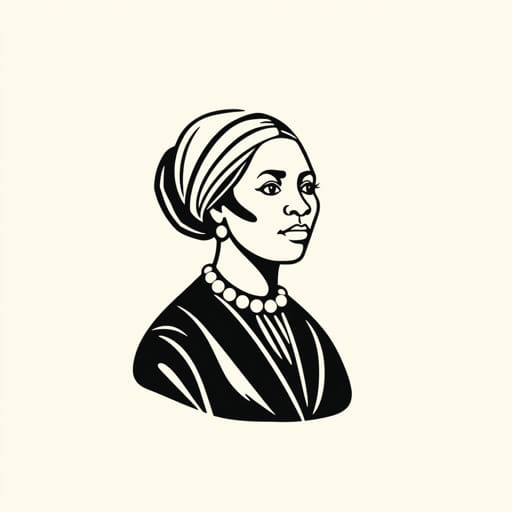
Harriet Tubman is one of the most remarkable figures in American history, known for her courage, resilience, and unrelenting dedication to freedom. Born into slavery, she defied the odds and risked her life countless times to help others escape the brutal institution of slavery. Her name is often associated with the Underground Railroad, a secret network of routes and safe houses that guided enslaved people to freedom. However, there are many interesting facts about Harriet Tubman that reveal the depth of her legacy and her impact on both the past and present. This topic explores lesser-known aspects of her life and contributions, offering insight into why Harriet Tubman remains an enduring symbol of justice and resistance.
Early Life and Struggles
Born into Slavery in Maryland
Harriet Tubman was born around 1822 in Dorchester County, Maryland. Her birth name was Araminta Ross, and she was often called Minty by those who knew her. She was born into slavery and faced a life of hardship from a very young age. Her exact birth date is unknown due to the lack of official records for enslaved people.
A Serious Head Injury That Changed Her Life
As a teenager, Tubman suffered a severe head injury when an overseer threw a heavy metal weight at another slave but hit her instead. This injury caused her to experience seizures, intense headaches, and visions for the rest of her life. Despite the pain and health challenges, Tubman interpreted her visions as spiritual guidance, which strengthened her faith and resolve.
Her Role in the Underground Railroad
Leading Over 70 Slaves to Freedom
One of the most interesting facts about Harriet Tubman is that she made approximately 13 missions to rescue enslaved people using the Underground Railroad. In total, she helped over 70 individuals, including family members, to escape to the North. Her efforts earned her the nickname Moses, likening her to the biblical figure who led the Israelites out of Egypt.
She Never Lost a Single Passenger
Tubman was known for her careful planning and fearless leadership. She carried a pistol for protection and to discourage anyone from turning back, which could endanger the entire group. Remarkably, she never lost a single person on any of her rescue missions.
Service in the American Civil War
A Spy and Scout for the Union Army
During the Civil War, Harriet Tubman took on a new role as a spy and scout for the Union Army. She worked in South Carolina and gathered intelligence that helped Union forces plan their strategies. Her knowledge of the land and ability to navigate difficult terrain made her a valuable asset.
The Combahee River Raid
In one of her most daring efforts during the war, Tubman helped plan and lead the Combahee River Raid in 1863. This operation resulted in the liberation of more than 700 enslaved people in a single night. It marked one of the few times in American history where a woman led a military operation of that scale.
Life After the Civil War
A Lifelong Advocate for Human Rights
After the war, Harriet Tubman continued her activism. She was a strong supporter of the women’s suffrage movement and worked alongside prominent figures like Susan B. Anthony. Tubman traveled and gave speeches advocating for equal rights, even though she was never formally educated.
Financial Hardships and Recognition
Despite her heroic efforts, Tubman struggled financially in her later years. She never received a full military pension for her work during the war, although she did eventually receive a small amount for her late husband’s service. Recognition of her contributions came slowly, but her legacy has grown significantly over time.
Her Final Years and Legacy
The Harriet Tubman Home
Later in life, Tubman purchased land in Auburn, New York, where she established the Harriet Tubman Home for the Aged. She dedicated this property to caring for elderly African Americans and those in need. Tubman herself spent her final years there before passing away in 1913.
Her Impact on American History
Harriet Tubman’s legacy is vast. She has been honored in many ways, including through museums, schools, and historical landmarks. Her face was even proposed to appear on the U.S. $20 bill, symbolizing her importance as a national icon of bravery and justice. Her name remains synonymous with freedom and resistance against oppression.
Interesting Facts About Harriet Tubman
- She changed her name to Harriet in honor of her mother, and took her husband’s last name, Tubman, after marrying John Tubman.
- Harriet Tubman was only about five feet tall, yet she endured grueling travel conditions during her rescue missions.
- She used a network of coded songs and signals to communicate with fellow conductors on the Underground Railroad.
- Tubman worked as a nurse during the Civil War and treated soldiers with natural remedies.
- She was buried with full military honors at Fort Hill Cemetery in Auburn, New York.
Continued Relevance in Modern Times
A Symbol of Resistance and Strength
In the 21st century, Harriet Tubman has become a symbol for movements advocating for civil rights, gender equality, and racial justice. Her life story is frequently taught in schools to inspire new generations. Tubman’s courage continues to serve as an example of how one determined person can change the course of history.
Representation in Media and Culture
Harriet Tubman has been the subject of books, movies, documentaries, and songs. In 2019, a major motion picture titled Harriet brought her story to a wider audience. Her influence stretches far beyond the history books, into pop culture and public consciousness.
Harriet Tubman’s life was a powerful testament to bravery, determination, and selflessness. From escaping slavery to leading others to freedom, and from serving in the Union Army to fighting for civil rights, she left an indelible mark on American history. These interesting facts about Harriet Tubman highlight the many dimensions of her extraordinary life. Her story is not just about the past; it continues to inspire people today to stand up for justice, equality, and human dignity.