Pronouncing words like dromedary correctly can sometimes pose a challenge, especially for those who are not familiar with zoological terms or desert animals. This word is commonly used in discussions related to camels, wildlife, and desert environments. Knowing how to pronounce dromedary properly is important to communicate clearly and avoid misunderstandings. This topic will provide a detailed explanation on how to pronounce dromedary, including a breakdown of syllables, stress patterns, phonetic transcription, and useful tips to master its pronunciation. Whether you are learning English, preparing for a presentation, or just curious, this guide will help you say dromedary naturally and with confidence.
What Is a Dromedary?
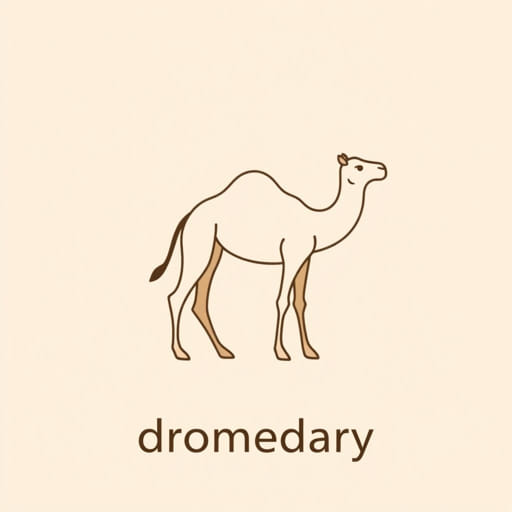
The term dromedary refers to a specific type of camel known for having a single hump. This species is scientifically namedCamelus dromedariusand is native to the hot deserts of the Middle East and Africa. Dromedaries are widely known for their endurance and ability to survive long periods without water. Understanding what a dromedary is can help reinforce the word in your memory, making it easier to pronounce and use correctly in context.
Example Sentences Using Dromedary:
- The dromedary is well adapted to the harsh desert climate.
- Nomads often use dromedaries for transportation across the desert.
- Dromedary camels have one hump, unlike Bactrian camels that have two.
Breaking Down the Pronunciation of Dromedary
Syllables and Stress Pattern
The word dromedary consists of four syllables:
- Drom
- e
- da
- ry
The primary stress is on the first syllable Drom. This means that when pronouncing the word, the emphasis should be placed on the beginning, making Drom sound stronger and more prominent than the rest of the syllables.
Phonetic Transcription
In the International Phonetic Alphabet (IPA), dromedary is transcribed as:
- /ˈdrɒm.ɪ.dɛr.i/
This transcription helps indicate exactly how each part of the word should be pronounced and where the emphasis lies.
Step-by-Step Guide to Pronouncing Dromedary
1. Pronounce the First Syllable Drom
The first syllable is pronounced drom /drɒm/, where the dr consonant cluster is combined smoothly. The vowel sound is like the o in cot or dog (in British English), or a short ah sound depending on your accent. This syllable carries the primary stress.
2. Pronounce the Second Syllable e
The second syllable is a quick, unstressed ih sound /ɪ/, like the i in bit. It is soft and brief.
3. Pronounce the Third Syllable da
This syllable sounds like deh /dɛ/, with a short e as in bed. It is unstressed and flows naturally after the previous syllable.
4. Pronounce the Fourth Syllable ry
The final syllable sounds like ree /ri/, with a clear ee vowel sound as in happy. This syllable is also unstressed but pronounced distinctly to complete the word smoothly.
5. Put It All Together
When combined, the word sounds like DROM-ih-deh-ree, with the emphasis firmly on the first syllable DROM. The rest of the syllables follow quickly and smoothly.
Common Pronunciation Mistakes
- Misplacing the stress on the second or last syllables instead of the first.
- Pronouncing the first syllable as drome with a long o instead of the short o or ah sound.
- Overemphasizing the middle syllables, which disrupts the natural rhythm.
- Skipping or slurring the last syllable ry, making the word sound incomplete.
Tips to Improve Pronunciation of Dromedary
1. Break the Word Into Syllables
Practice saying each syllable slowly and clearly: drom, ih, deh, ree. Focus on making the first syllable stronger and the others lighter.
2. Listen to Native Speakers
Search for recordings or videos where native English speakers pronounce dromedary. Imitate their pronunciation to learn the rhythm and stress pattern.
3. Record Yourself
Use a voice recorder or phone to record your pronunciation, then compare it to native speakers. Adjust as needed.
4. Use the Word in Context
Practice saying sentences that include dromedary, such as:
- The dromedary is an important animal in many desert cultures.
- Dromedaries can survive for days without water.
- There are differences between the dromedary and the Bactrian camel.
Regional Accent Variations
The pronunciation of dromedary can vary slightly between British and American English. In British English, the vowel in the first syllable is typically a short o sound /ɒ/ as in lot, while in American English, it may sound more like /ɑː/ or /ɑ/. Despite these small differences, the stress remains on the first syllable in all variations.
Related Words to Know
Expanding your vocabulary with related words can help you use dromedary more effectively:
- Camel: The general name for the species that includes dromedaries and Bactrian camels.
- Bactrian: A type of camel with two humps, distinct from the dromedary.
- Hump: The fatty deposit on a camel’s back used for energy storage.
- Desert: The natural habitat of the dromedary camel.
Pronouncing dromedary correctly is easier when you understand the word’s structure and stress pattern. By focusing on the four syllables and emphasizing the first syllable DROM, you can confidently say the word in everyday conversation, academic contexts, or presentations. Practice by breaking the word down, listening to native speakers, and using the word in sentences. Over time, you will master the natural rhythm and pronunciation of dromedary, enhancing both your spoken English skills and your understanding of this fascinating animal.