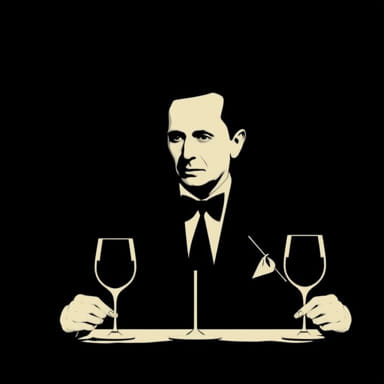
Edward R. Murrow is widely regarded as one of the most influential figures in American journalism history. His reputation as a pioneering broadcast journalist was built on his dedication to truth, his powerful storytelling, and his courage in confronting controversial issues. When introduced at formal occasions such as dinners or award ceremonies, the way Murrow was presented reflected the immense respect he commanded within the media world and beyond. His introduction was often carefully crafted to emphasize his professional achievements, his commitment to journalistic integrity, and his role as a symbol of ethical broadcasting. Understanding how Edward R. Murrow was introduced at such events offers insight into his legacy and the high esteem in which he was held.
The Context of the Dinner Introduction
Formal dinners honoring Edward R. Murrow were typically attended by prominent figures from journalism, government, academia, and the arts. These occasions served not only as moments of recognition but also as platforms to highlight the values Murrow embodied. The introduction was usually delivered by a respected colleague, a senior figure in media, or an official who appreciated Murrow’s contributions.
Setting the Tone for the Introduction
The introduction was designed to set the tone of admiration and respect, preparing the audience for Murrow’s speech or remarks. It often started with a brief recounting of Murrow’s career highlights and his influence on broadcast journalism.
- Reference to his groundbreaking World War II reports from London, which brought the realities of war into American living rooms.
- His role in pioneering television news and documentaries that set new standards for journalistic excellence.
- Mention of his courageous stand against McCarthyism, exemplified in the famous ‘See It Now’ broadcasts that challenged fear and propaganda.
Emphasizing Murrow’s Professional Ethos
Introductions often highlighted Murrow’s unwavering commitment to truth and his ethical approach to journalism. This helped underline the significance of his work not just as reporting but as a moral endeavor.
Key Elements of the Professional Tribute
- Murrow’s insistence on accuracy and fairness, refusing to sensationalize or distort facts.
- The influence of his style, which combined calm authority with deep empathy.
- His impact on raising the standards of public discourse and the responsibility of the media.
Personalizing the Introduction
In addition to professional accolades, introductions sometimes included personal anecdotes or reflections from colleagues who knew Murrow well. This personalized touch helped the audience connect with him not just as a legendary journalist but as a human being.
Examples of Personal Reflections
- Stories illustrating Murrow’s humility despite his fame.
- Remembrances of his dedication to mentoring young journalists and fostering talent.
- Remarks about his integrity and courage during difficult times.
Formal Language and Structure
The language used in introducing Edward R. Murrow was typically formal yet heartfelt. The structure followed a respectful progression from outlining his accomplishments to praising his character, and finally to inviting him to address the audience.
Typical Introduction Format
- Opening greeting: Welcoming guests and framing the importance of the event.
- Career overview: Highlighting Murrow’s major achievements and historical significance.
- Personal commendation: Sharing insights into Murrow’s personality and values.
- Closing invitation: Officially calling Murrow to the podium or microphone.
Significance of the Introduction
How Edward R. Murrow was introduced at dinners reflects the respect for his legacy as a journalist who changed the media landscape. These introductions helped reinforce the values Murrow championed, such as truth, courage, and the social responsibility of the press.
Legacy Highlighted in Introductions
- Murrow as a role model for journalistic integrity.
- The lasting influence of his work on broadcast journalism standards.
- The inspiration he provided to future generations of reporters and broadcasters.
Edward R. Murrow’s introduction at formal dinners was much more than a routine announcement. It was a carefully crafted tribute that acknowledged his exceptional contributions to journalism and his enduring influence on society. By emphasizing his professional achievements, personal qualities, and ethical standards, these introductions helped preserve the memory of a man who redefined news broadcasting and set a high bar for truth and accountability in media. Through such introductions, audiences were reminded not only of Murrow’s legacy but also of the importance of the principles he stood for in journalism and public life.